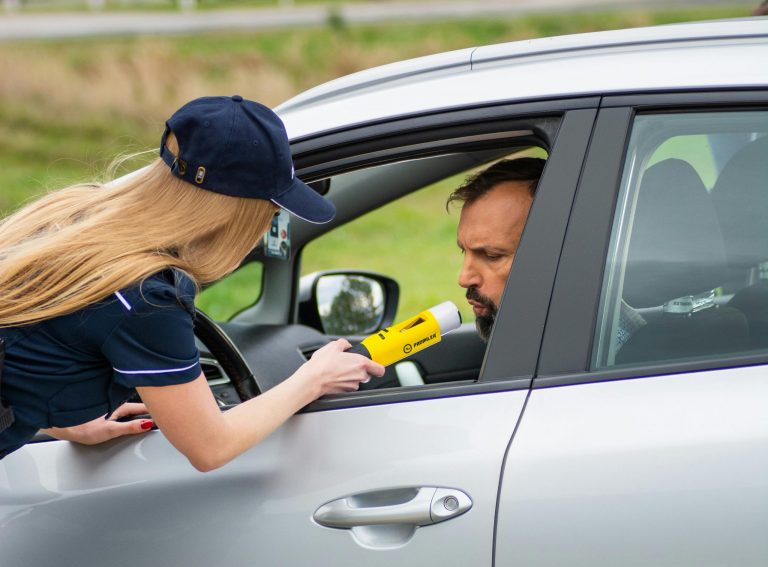
Dashcams Help Fight DUI Charges with Video Evidence
Dashcams capture real proof that can help defend against DUI charges. These cameras record everything during a traffic stop – from how you were driving to how the police officer conducted the stop and tests.
The video shows exactly what happened, which helps in several ways: – Records your actual driving behavior – Shows if police followed proper procedures – Documents how field sobriety tests were given – Captures conversations between you and the officer
This evidence matters because it’s unbiased and can’t be changed later. If an officer claims you were swerving but the video shows steady driving, that helps your case. Similarly, if proper testing procedures weren’t followed, the footage proves it.
When fighting a DUI charge, dashcam footage often becomes the strongest evidence in your defense, showing the complete story rather than relying on memory or written reports alone.
Understanding Dashcam Technology and Features
Dashcams: What They Can and Can’t Do
Modern dashcams pack powerful features that can make a big difference in DUI cases. These small cameras record your drive continuously, capture HD video, and track your exact location using GPS. Think of them as a reliable witness that documents everything happening on the road.
Key Features: – 24/7 recording – Clear, high-quality video – Location tracking – Motion detection – Time and date stamps
Important Limitations: – Most only record what’s in front of your car – Night vision quality varies – Some models don’t record sound – Memory cards can fill up quickly – Weather can affect video clarity
When using dashcam evidence, remember that these devices tell only part of the story. While they provide solid proof of driving patterns and road conditions, they work best when combined with other evidence. The clearer your dashcam’s video quality and the more features it has, the stronger its value as evidence becomes.
The Legal Benefits of Dashcam Evidence in DUI Cases
Dashcams Help Win DUI Cases by Showing What Really Happened
Dashcam videos make DUI cases clearer by recording exactly what happened during a traffic stop. These recordings show how a driver acted, how they performed on sobriety tests, and whether police followed proper procedures.
When fighting a DUI charge, dashcam footage matters because: – It captures the actual driving pattern before the stop – It records all conversation between the officer and driver – It shows how well the driver performed field sobriety tests – It proves whether police had a valid reason to make the stop
This video evidence often speaks louder than written police reports or memory-based testimony. If the footage shows the driver performing better than the officer claimed, it can lead to reduced charges or case dismissal. For drivers facing DUI charges, having dashcam evidence means a stronger defense with facts, not just competing stories.
Dashcam Footage Accuracy
Dashcam footage makes a huge difference in DUI cases by showing exactly what happened on the road. When a police officer stops someone for suspected drunk driving, the dashcam records everything clearly and without bias.
Two main factors affect dashcam reliability: 1. Lighting – Good lighting shows clear details of driving patterns, while poor lighting can hide important evidence 2. Camera position – A properly mounted camera captures the full view of traffic stops, driver behavior, and road conditions
Dashcams help both police and drivers by: • Recording real-time evidence of traffic violations • Showing how drivers respond to police instructions • Documenting field sobriety tests • Capturing weather and road conditions
This video evidence often proves more reliable than memory-based testimony in court. A clear dashcam recording can support or disprove DUI charges, making it a key tool for both prosecution and defense teams.
Challenging Officer Testimony
Modern Dashcam Evidence vs. Officer Testimony in DUI Cases
Dashcams now give DUI defense lawyers powerful tools to check if what officers say matches what actually happened. Video evidence shows the truth clearly, helping lawyers spot any differences between what officers remember and what the camera recorded.
Clear Benefits of Dashcam Evidence:
- Truth on Video: Cameras don’t take sides – they just show what happened, making it easier to spot mistakes in officer statements.
- Real Behavior: Video shows exactly how someone acted during a traffic stop, which might look different from what the officer remembered.
- Exact Timing: Video timestamps prove when things happened, leaving no room for confusion about the order of events.
- Complete Picture: Dashcams capture everything around the traffic stop – weather, lighting, road conditions – details that might explain why someone seemed impaired.
These recordings protect both drivers and officers by creating a clear record of DUI stops, leading to fairer outcomes in court.
How Dashcams Capture Crucial Footage During Traffic Stops
Dashcams Create Clear Evidence in Traffic Stops
Police dashcams record exactly what happens during traffic stops, making it easy to see how drivers perform during sobriety tests. These recordings show important details that written reports might miss, like how steady someone walks or how clearly they speak.
The video footage protects both drivers and officers by showing the truth about: – How the driver acted during the stop – Whether the officer followed proper procedures – Road conditions, lighting, and weather that affected the situation
When cases go to court, dashcam videos help judges and juries see the complete picture of what happened during the traffic stop. The clear, unbiased recording shows everything from the initial stop to any field sobriety tests, leaving no room for confusion about what actually occurred.
Evidence of Sobriety Tests
Dashcams Tell the Real Story of Sobriety Tests
Police dashcams record every detail of DUI stops, creating a clear video record that protects both drivers and officers. These recordings show exactly what happened during roadside sobriety tests and breath tests, which helps everyone involved.
Key Benefits of Dashcam Evidence: 1. Shows the complete walk-and-turn test and other physical tests 2. Records how officers give breath tests 3. Captures important details like street lighting and weather 4. Documents how the driver acts and speaks
This video evidence can help prove someone’s innocence or confirm police observations. The footage reveals whether officers followed proper testing steps and if outside factors like slippery roads or poor lighting affected test results.
For drivers and their lawyers, dashcam recordings offer reliable proof of what really happened during a traffic stop. Courts trust these videos because they show the complete picture – from the moment police lights flash to the final test results.
Tip: Always request dashcam footage if you’re involved in a DUI stop. This evidence often reveals crucial details that written reports might miss.
Officer Conduct Evaluation
Dashcams protect both drivers and officers during traffic stops by recording exactly what happens. These cameras capture officer behavior, showing if they follow proper procedures and treat drivers fairly during sobriety tests and DUI stops.
When an officer pulls someone over, the dashcam records everything – their tone of voice, how they explain things, and whether they follow all the right steps. This video evidence helps lawyers check if the traffic stop and arrest were done correctly and legally.
Dashcam footage reveals key details about: • How officers speak to drivers • Whether proper testing procedures were followed • The officer’s decision-making process • Any signs of unfair treatment
This clear video record means everyone stays accountable and traffic stops can be reviewed if questions come up later.
Environmental Conditions Impact
Environmental Factors That Affect Dashcam Performance
Poor conditions can make your dashcam less effective at recording clear video during traffic stops. Four main factors directly impact recording quality:
- Road Quality: Bumpy or damaged roads shake the camera, causing blurry or jumpy footage. A smooth road means clearer video.
- Weather Impact: Bad weather blocks your view. Rain drops on the lens, snow creates white-out conditions, and fog makes everything hazy. Clear weather produces the best recordings.
- Light Levels: Dark conditions make it hard to see details. Nighttime recordings need good street lights or the car’s headlights to capture useful footage.
- View Blockers: Trees, parked cars, or other obstacles that get between your dashcam and the scene create blind spots in your recording.
For best results, keep your dashcam lens clean and position it where it has the clearest possible view of the road.
Evaluating the Reliability of Dashcam Recordings
Dashcam Recordings in DUI Cases: What Makes Them Reliable?
Clear video quality makes or breaks a dashcam’s usefulness in DUI cases. Good footage shows important details like road conditions, street signs, and driver behavior that can help prove what really happened. Blurry or dark recordings might miss crucial evidence that could affect your case.
Storage and handling matter just as much as video quality. Just like keeping important files safe on your computer, dashcam footage needs proper backup and protection. Without it, the evidence could get lost, damaged, or questioned in court.
Regular dashcam maintenance keeps recordings trustworthy. Think of it like servicing your car – routine checks and updates ensure everything works when you need it most. A well-maintained dashcam creates reliable evidence that stands up to legal scrutiny.
To trust dashcam evidence, check these key points: – Video clarity and lighting – Secure storage methods – Regular device maintenance – Proper date and time settings – Unbroken recording chain
Admissibility of Dashcam Footage in Court Proceedings
Dashcam Footage in Court: What Makes It Acceptable Evidence?
Courts look at four main factors to decide if dashcam footage can be used as evidence:
- Proof It’s Real The video must be proven authentic and unedited. This means showing when and where it was recorded, usually through timestamps, GPS data, or someone who can confirm the recording. A police officer or witness can verify the footage matches what they saw.
- Safe Storage The video needs proper protection from the moment it’s recorded. Think of it like securing important documents – storing files safely, backing them up, and tracking who handles them. This stops anyone from changing or damaging the footage.
- Clear Connection The footage must clearly show something important about the case. A video of a car accident is useful for an accident case, but footage from hours before isn’t helpful.
- Paper Trail Every person who handles the video must be documented – from the camera owner to the court. This tracking proves nobody tampered with the evidence and builds trust in its accuracy.
Strategies for Using Dashcam Evidence in DUI Defense
Dashcam Evidence in DUI Defense: A Simple Guide
Good dashcam footage can make a big difference in fighting a DUI charge. The key is knowing how to collect, store, and use this evidence effectively.
First, make sure your dashcam is set up correctly: – Mount it where it can clearly see both the road and inside your car – Check that it’s recording properly before each drive – Use high-quality storage cards that can handle long recording times
To protect your footage: – Download important videos right away – Back up files to a secure computer or cloud storage – Label recordings with dates and times
Your dashcam recording can help your case by: – Showing how you were actually driving – Capturing the police stop and sobriety tests – Comparing what really happened to what’s in the police report
Remember: Clear, well-preserved dashcam footage gives your lawyer solid evidence to work with in your defense. It’s much harder for anyone to dispute what’s clearly shown on video.
Challenges and Limitations of Relying on Dashcam Evidence
Understanding Dashcam Evidence Limits in DUI Cases
Getting dashcam footage for your DUI case? Know these key challenges before relying on it as evidence.
Privacy Issues Dashcams record everything – including private conversations you might not want shared. This can create problems when the footage captures personal moments or discussions that aren’t related to your case.
Storage Problems Video files take up lots of space. Many dashcams automatically delete old footage when full, which means important evidence could get erased before you can save it.
Equipment Failures Like any technology, dashcams can break down or malfunction. Blurry videos, bad sound quality, or camera failures can make your evidence useless in court.
Court Acceptance Judges won’t automatically accept dashcam footage as evidence. You’ll need to prove the video is real, unedited, and relevant to your case. The other side might challenge how you got the footage or what it really shows.
Remember: While dashcams can help your DUI defense, don’t count on them as your only evidence. Always work with your lawyer to build a strong case using multiple types of proof.
Impact of Dashcam Footage on Jury Perception
Dashcam Footage Changes How Juries See DUI Cases
Dashcam videos show juries exactly what happened during a DUI stop, making it easier to understand the situation than just listening to people talk about it. When jurors watch these videos, they see the driver’s behavior, hear what was said, and can judge the situation for themselves.
These recordings help in two main ways: 1. They show clear evidence of how the driver acted 2. They prove whether the police officer followed proper procedures
While videos make cases clearer, jurors still bring their own views and experiences when watching them. Sometimes they might focus too much on what they see in the video and not enough on other important evidence or testimony.
The bottom line: Dashcam footage strongly affects DUI trial outcomes because it gives jurors real proof of what happened, making their decisions more informed but not completely free from bias.
Future Trends in Dashcam Technology and Legal Applications
Dashcams Are Getting Smarter: What’s Next for Road Safety and Legal Evidence
Modern dashcams are becoming powerful tools that help courts and drivers better understand what happens on the road. New features make these cameras more reliable and easier to use while protecting everyone’s privacy.
- Smart Sensors Working Together Your dashcam will soon track more than just video. Built-in sensors will record speed, weather conditions, and road factors that affect driving. This gives a complete picture of what happened during an incident, making it easier for courts to make fair decisions.
- Better Privacy Protection New dashcams keep your data safe with automatic blurring of faces and license plates. They follow strict privacy laws while still capturing the important details needed for legal cases.
- Instant Information Dashcams now process footage right away, helping police and courts get evidence quickly. This speed means faster resolution of traffic incidents and DUI cases.
- AI Spots Dangerous Driving Smart technology watches for unsafe driving patterns like swerving or sudden stops. This helps identify potential DUI situations early and creates stronger evidence for court cases.
Frequently Asked Questions
Can Dashcams Be Installed in Any Type of Vehicle?
Yes, dashcams can be installed in almost any vehicle that has a power source. Most cars, trucks, motorcycles, and commercial vehicles can support a dashcam system.
Installation is straightforward in most vehicles. You’ll need: – A 12V power outlet or direct wiring to your car’s battery – A suitable mounting spot on your windshield – Basic tools for cable management
Cost breaks down into three main parts: – The dashcam device ($50-$300) – Professional installation ($50-$100) if not self-installing – Optional extras like GPS modules or rear cameras
Choose a dashcam that matches your vehicle’s setup and your budget. Simple plug-and-play models work well for most drivers, while commercial vehicles might need more advanced systems with multiple cameras.
Do Insurance Companies Offer Discounts for Vehicles With Dashcams?
Some insurance companies now offer discounts when you install a dashcam in your car. These small cameras can save you money on your premium while protecting you on the road.
Dashcams help insurance companies by: – Recording accidents clearly, making it easier to settle claims – Proving you’re a careful driver – Reducing fraud attempts – Showing exactly what happened during incidents
To get a dashcam discount, contact your insurance provider directly. Ask about their dashcam programs and what type of camera they approve. While not all insurers offer these discounts yet, the trend is growing as more drivers install these devices.
Remember: Installing a dashcam might save you money twice – first on your insurance premium, and later if you need to prove what happened in an accident.
How Often Should Dashcam Footage Be Reviewed for Accuracy?
Review your dashcam footage at least once a month and after any significant driving incidents. Check your camera’s recordings by:
- Watching a few random clips to confirm clear video quality
- Making sure date/time stamps are correct
- Testing if the camera is still properly mounted and aligned
- Checking available storage space
Monthly checks help catch problems early, like blurry footage or incorrect settings. After accidents or near-misses, review the footage right away to save important video evidence. Set a regular reminder on your phone or calendar to maintain this routine.
Keep your dashcam’s memory card clean and replace it yearly to prevent data corruption. Quick daily glances at the camera’s status light can confirm it’s recording properly.
Are There Privacy Concerns Associated With Dashcam Use?
Yes, dashcams raise important privacy concerns that affect both drivers and the public. The main issues involve recording people without their knowledge and keeping video data safe.
When you use a dashcam, you’re filming other drivers, pedestrians, and nearby properties – often without them knowing it. This creates two key privacy challenges:
- Consent: Most people don’t know they’re being recorded by nearby dashcams
- Data Security: Videos might capture sensitive information like license plates, faces, or daily routines
To use dashcams responsibly: – Check local privacy laws before installing – Post visible notices about recording – Store footage securely – Delete unnecessary videos promptly – Never share footage without proper reason
Remember: Your right to record for safety must balance with others’ right to privacy.
Can Dashcams Function Effectively in Low-Light Conditions?
Yes, dashcams can work in low light, but their performance varies based on quality and features.
Most basic dashcams struggle in dark conditions, producing grainy or unclear footage. Better results come from modern dashcams with night vision features like:
• Infrared sensors that capture clear video even in complete darkness • Wide dynamic range (WDR) that balances bright and dark areas • Large camera sensors that let in more light • Advanced low-light processing that reduces noise
For best nighttime recording: 1. Choose a dashcam with dedicated night vision 2. Position it for an unobstructed view 3. Keep the lens clean 4. Adjust settings specifically for low-light conditions
Premium dashcams ($100+) typically handle dark conditions much better than budget models, making them worth considering if you often drive at night.