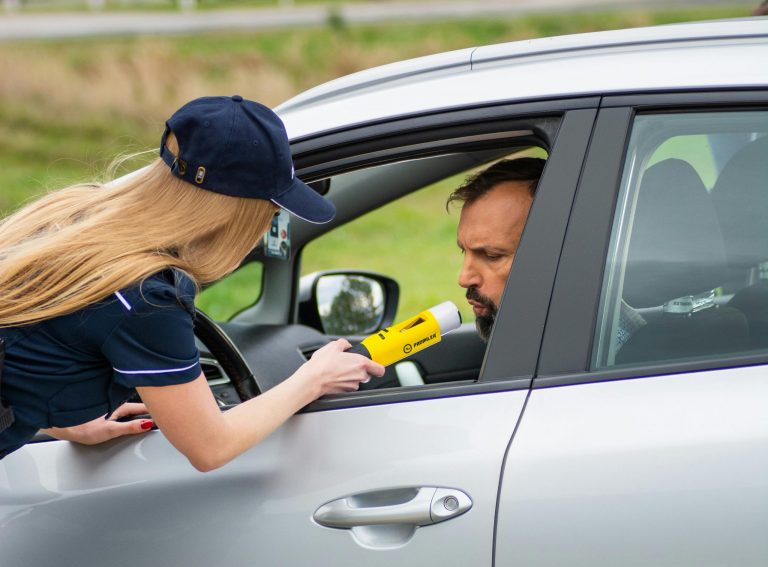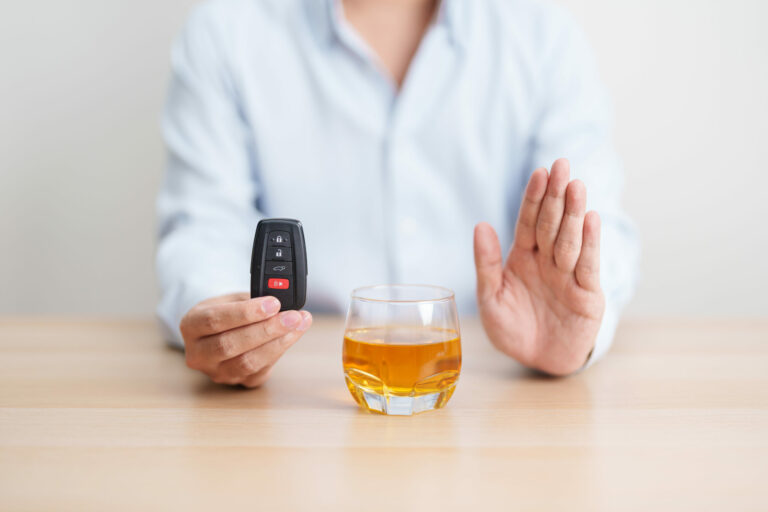
Yes, you can get a DUI for driving high on marijuana in Arizona. The state has a strict zero-tolerance law for marijuana DUIs.
Arizona treats marijuana DUIs seriously. If police find any amount of THC (the substance that makes you high) in your system while driving, you can face DUI charges – even if you smoked days ago.
Police look for signs of marijuana impairment during traffic stops through: • Your driving behavior • Physical signs like red eyes or confusion • Basic roadside tests like walking in a straight line • Blood or urine tests
Penalties for marijuana DUIs include: • Fines up to $2,500 • Possible jail time • Driver’s license suspension • Mandatory drug education classes
Unlike alcohol, there’s no legal limit for marijuana in Arizona. Any detectable amount can lead to arrest. This means even medical marijuana cardholders need to be extremely careful about driving after using cannabis.
Understanding Arizona’s DUI Laws
Arizona’s DUI Laws: What You Need to Know
Arizona has tough DUI laws that cover both alcohol and drugs like marijuana. At traffic stops, police officers look for signs of impaired driving, such as swerving or erratic movement. If they suspect you’re impaired, they will ask for your ID and might question you. They also use field sobriety tests to check your balance and coordination. If you fail these tests, it can lead to arrest and legal action. Arizona takes DUI offenses very seriously, so it’s important to drive safely and sober.
Defining Marijuana Impairment
Understanding marijuana impairment isn’t as straightforward as alcohol impairment. Here’s what you need to know:
- Metabolism and THC: THC, the active compound in marijuana, affects everyone differently. This is because it metabolizes at different rates, influencing how long and how intensely someone feels impaired.
- Personal Factors: Your age, weight, and health can change how marijuana impacts your thinking and movement. These biological factors mean everyone experiences impairment differently.
- Signs of Impairment: If someone has slow reaction times, poor coordination, or bad judgment, these behaviors can indicate marijuana impairment.
These points show why figuring out marijuana impairment is tricky for police and legal systems.
Legal Thresholds for THC
Defining a legal threshold for THC is tricky because its effects differ from person to person. In Arizona, setting limits for THC intoxication is challenging. Unlike alcohol, where blood alcohol concentration gives a clear measure, THC’s impact isn’t as clear-cut. THC can stay in your system long after use but might not show if you’re currently impaired. Arizona law bans driving under the influence of any drug, including cannabis, but doesn’t set a specific THC level. This lack of a clear standard makes enforcement and legal cases tough. So, police rely on behavior and signs of impairment to decide on DUI charges, which can lead to questions about fairness and consistency.
Testing Methods for Marijuana DUI
In Arizona, figuring out how marijuana affects driving involves testing methods like blood, urine, and saliva tests. Blood tests are generally the most accurate for checking THC levels, but they don’t necessarily mean someone is impaired. Urine tests can’t show current impairment, making them less useful for real-time assessments. Saliva tests are easier to conduct but might not always reliably show active THC levels. Each method has its pros and cons, so understanding their differences can help in assessing marijuana impairment more effectively.
Blood Test Accuracy
How Accurate Are Blood Tests for Detecting Marijuana Impairment? Blood tests can show THC levels, but they don’t always mean you’re impaired. THC, the active part of marijuana, can stay in your blood long after its effects wear off, leading to false positives for impairment.
Why Metabolism Matters: Everyone processes THC differently, so what’s in your blood might not match how impaired you feel. This makes it tricky to have a standard test for everyone.
Timing is Key: Blood tests work best right after you’ve used marijuana. If there’s a delay, the test might not give a clear picture of impairment.
In Arizona and beyond, these issues mean we need better tests to fairly assess marijuana DUIs.
Urine Test Limitations
Urine tests aren’t the best for checking if someone is currently impaired by marijuana, especially for DUI cases. They detect a substance called THC-COOH, which stays in the body long after the effects of marijuana wear off. This means someone could test positive without being under the influence at the time. In Arizona, using just urine tests to determine if someone is too impaired to drive isn’t enough. It’s better to use tests that can show more immediate results, giving a clearer picture of someone’s current state. This ensures fair and accurate legal decisions.
Saliva Test Reliability
Saliva tests are a reliable way to check if drivers are under the influence of marijuana. These tests help law enforcement because they can show if someone has used cannabis recently, which is important to know if the person is impaired while driving.
How Saliva Tests Work: For accurate results, saliva tests must be done the right way. If the process isn’t consistent, the results might not be reliable.
Avoiding Contamination: It’s crucial to keep the sample clean. If other substances get mixed in, it could lead to incorrect results. Following strict guidelines helps prevent this.
Timing Matters: Saliva tests are great because they detect THC in a short time frame, making them more effective in determining current impairment.
To make saliva tests as reliable as possible, it’s important to follow standardized procedures. This ensures the results are accurate and trustworthy.
Penalties for Marijuana-Related DUI
Marijuana DUI Penalties in Arizona
Getting caught driving under the influence of marijuana in Arizona leads to serious consequences, similar to alcohol DUIs. First-time offenders face: • At least 10 days in jail (some may be suspended) • Fines up to $1,500 • 90-day license suspension • Required drug education classes • Community service hours
Repeat marijuana DUI offenses result in tougher punishments: • Longer jail time • Higher fines • Extended license suspension • Stricter probation rules
Arizona treats marijuana-impaired driving as a major safety threat. The state enforces these rules strictly to keep roads safe and prevent accidents. If you use marijuana, always arrange a sober ride or wait until you’re completely clear-headed before driving.
The Role of Medical Marijuana Cards
Medical Marijuana Cards and DUI Law in Arizona
Having a medical marijuana card lets you legally use marijuana for approved health conditions in Arizona, but it won’t protect you from a DUI if you drive while impaired. The key is understanding where your legal protection starts and stops.
Qualifying Health Conditions Medical marijuana cards are only available for specific health problems like severe chronic pain, epilepsy, cancer, and PTSD. Your condition must be on Arizona’s approved list to qualify, and you’ll need medical records to prove it.
Doctor’s Role in Card Approval Your healthcare provider needs to: – Review your medical history – Confirm your qualifying condition – Document why marijuana might help – Discuss potential risks and benefits – Complete official state paperwork
Legal Protection Limits Your card protects you when: – Buying marijuana from licensed dispensaries – Possessing allowed amounts – Using marijuana at home
Your card doesn’t protect you when: – Driving under the influence – Using marijuana in public – Selling or sharing marijuana – Crossing state lines with marijuana
These clear boundaries help cardholders stay within the law while using medical marijuana safely and legally.
Comparisons With Alcohol-Related DUI
DUI Laws: Marijuana vs. Alcohol in Arizona
Arizona treats marijuana DUIs differently from alcohol DUIs because measuring marijuana impairment isn’t as straightforward. While police can use breathalyzers to check alcohol levels at 0.08%, there’s no quick test for marijuana impairment.
Marijuana affects each person differently, making it hard to set a standard limit like we have for alcohol. THC (the active compound in marijuana) stays in the body longer and processes differently in each person. This means someone might test positive for marijuana days after use, even when they’re not impaired.
Arizona’s solution is simple: If marijuana affects your driving in any way, you can face DUI charges. Officers look for visible signs of impairment through field sobriety tests and driving behavior, rather than relying on specific blood test numbers.
Challenges in Law Enforcement
Marijuana DUI Laws: What Every Driver Should Know
Testing for marijuana-impaired driving differs greatly from alcohol testing. While breathalyzers give clear alcohol readings, marijuana detection remains a work in progress. This affects how police conduct roadside stops and what drivers need to know about their rights.
Roadside Stops Police now use new methods to spot marijuana-impaired drivers at checkpoints. Officers look for red eyes, delayed reactions, and specific driving patterns. These checks take longer than alcohol tests because there’s no quick way to measure marijuana levels in the body.
Officer Training Police receive special training to detect marijuana impairment on the road. They learn to spot physical signs like coordination problems and unusual behavior. Officers also use field sobriety tests designed specifically for marijuana use.
Legal Guidelines Different states have different marijuana driving laws. Some set specific blood-level limits, while others rely on officer judgment. Police must follow strict rules when stopping and testing drivers, protecting both public safety and driver rights.
These changes mean both drivers and police need to stay informed about current laws and testing methods in their area.
Legal Defenses Against Marijuana DUI Charges
Fighting a Marijuana DUI in Arizona: Key Legal Defenses
Chemical Test Accuracy Defense DUI tests for marijuana aren’t always reliable. Blood and urine tests can show THC long after the effects wear off, making it hard to prove actual impairment at the time of driving. A defense lawyer can challenge these test results and how they were handled.
Traffic Stop Defense Police must have a valid reason to pull you over – like speeding or swerving. If the stop wasn’t legally justified, any evidence collected might be thrown out. Your lawyer can review police dashcam footage and reports to check if the officer followed proper procedures.
Common Defense Strategies: – Question test accuracy and handling – Challenge probable cause for the stop – Review officer’s training and procedures – Examine field sobriety test conditions – Request independent lab testing
These defenses work best with proper documentation and an experienced DUI attorney who knows Arizona marijuana laws. Early action helps protect your rights and builds a stronger case.
Challenging Test Accuracy
Marijuana DUI Tests: How Accurate Are They?
Current marijuana testing methods for drivers aren’t as reliable as alcohol tests. This creates opportunities to challenge DUI charges in Arizona courts.
Key Problems with Marijuana Testing:
- Long-lasting THC: The active compound in marijuana stays in your blood for days or weeks after use, even when you’re no longer impaired. This makes it hard to prove if someone was actually high while driving.
- Roadside Tests Don’t Tell the Full Story: Police use walking and balance tests, but these tests can’t specifically show marijuana impairment. Other factors like tiredness or medical conditions can affect performance.
- No Clear Legal Limits: Unlike alcohol’s 0.08% limit, marijuana lacks standard impairment levels. Different states use different measures, making enforcement inconsistent.
These testing limitations often lead to successful legal challenges. If you’re facing marijuana DUI charges, the test results’ accuracy can be questioned, especially when THC levels don’t match actual impairment at the time of driving.
Questioning Probable Cause
DUI Marijuana Charges: Why They Can Get Dismissed
Arizona marijuana DUI cases often get dismissed when defense attorneys challenge probable cause. The two main ways this happens are questioning the traffic stop and disputing officer observations.
Traffic Stop Challenges: Police must have a legal reason to pull you over. If they searched your car without proper cause or violated proper procedures, any evidence they found might not be usable in court.
Officer Observation Issues: Just smelling marijuana isn’t enough for a DUI charge. Officers need clear proof you were actually impaired while driving. They must point to specific behaviors like: – Unsafe driving patterns – Failed field sobriety tests – Physical signs of impairment
Without solid evidence linking marijuana use to actual driving impairment, prosecutors often struggle to make charges stick. A skilled defense lawyer can spot these weaknesses and use them to fight the charges effectively.
Remember: The smell of cannabis alone doesn’t prove you were driving impaired. Police need more concrete evidence to make a DUI case hold up in Arizona courts.
Frequently Asked Questions
Can a Passenger Be Charged if the Driver Is High on Marijuana?
Yes, passengers can face charges when riding with a driver who’s high on marijuana, depending on their role in the situation.
A passenger can be charged if they: – Knowingly let an impaired person drive – Shared or provided the marijuana – Had illegal substances on them during the stop – Encouraged or enabled the driver’s drug use
The law treats passengers differently from drivers, but passengers aren’t automatically free from responsibility. If police find evidence that a passenger knew about or contributed to the illegal activity, they could face charges like aiding and abetting or drug possession. The safest choice is to never ride with an impaired driver and to call a ride service instead.
How Does a Marijuana DUI Affect Car Insurance Rates in Arizona?
Getting a marijuana DUI in Arizona will raise your car insurance rates significantly. Most drivers see their premiums increase by 50-100% after a conviction.
Insurance companies view DUI offenses as high-risk behavior, which means you’ll pay more for coverage. Your rates typically stay higher for 3-5 years after the conviction, though some insurers may keep elevated rates longer.
Key factors affecting your new rates: • Your previous driving record • The specific insurance company’s policies • Whether this is your first DUI offense • Any additional violations during the incident
To manage costs after a marijuana DUI: • Shop around for different insurance providers • Take defensive driving courses • Maintain a clean driving record • Consider higher deductibles to lower monthly payments
Can I Refuse a Field Sobriety Test for Marijuana in Arizona?
Yes, you can legally refuse a field sobriety test for marijuana in Arizona, but doing so has serious consequences.
When you refuse a field sobriety test in Arizona, you automatically trigger the state’s implied consent laws. This means: – Your driver’s license will be suspended for 12 months – Police can still arrest you if they have other evidence of impairment – The refusal can be used against you in court – You may face higher penalties if convicted
Arizona police officers use standard field sobriety tests to check for marijuana impairment, including: – Walking in a straight line – Standing on one leg – Following a pen or light with your eyes – Testing your reaction time
The best approach is to know your rights while understanding that refusing a test comes with automatic penalties. If you’re concerned about taking a field sobriety test, you have the right to contact an attorney before making your decision.
Are There Any Changes Anticipated in Arizona’s Marijuana DUI Laws?
Arizona’s Marijuana DUI Laws Are Changing
State lawmakers are reviewing potential updates to Arizona’s marijuana DUI laws in 2024. These changes could make the laws more aligned with how marijuana actually affects drivers, rather than using a one-size-fits-all approach.
Key changes under consideration: – New testing methods to measure current impairment – Updated standards for what counts as driving under the influence – Clearer guidelines for law enforcement – Better distinction between medical and recreational use
Current DUI laws treat marijuana similar to alcohol, but marijuana affects people differently and can stay in the system longer. The proposed changes aim to create fairer, more accurate ways to determine if someone is actually impaired while driving, not just whether they’ve used marijuana recently.
These updates would match similar changes happening in other states where marijuana is legal, making enforcement more practical and evidence-based.
How Can a Marijuana DUI Conviction Impact Employment Opportunities in Arizona?
A marijuana DUI conviction in Arizona directly affects your job prospects and career opportunities. Employers often check criminal records during background screenings, and a DUI conviction can:
• Make it harder to get hired for new positions • Lead to job loss in your current role • Limit advancement opportunities • Affect professional licenses and certifications • Create problems with driving-related jobs
Many Arizona employers view DUI convictions as red flags about reliability and judgment. Companies worry about liability issues, especially for positions involving driving, operating machinery, or making critical decisions. This is particularly true for jobs in healthcare, education, government, or transportation sectors where safety and public trust are essential.
If you’re facing a marijuana DUI charge, consider consulting an employment lawyer to understand your rights and potential career impacts.