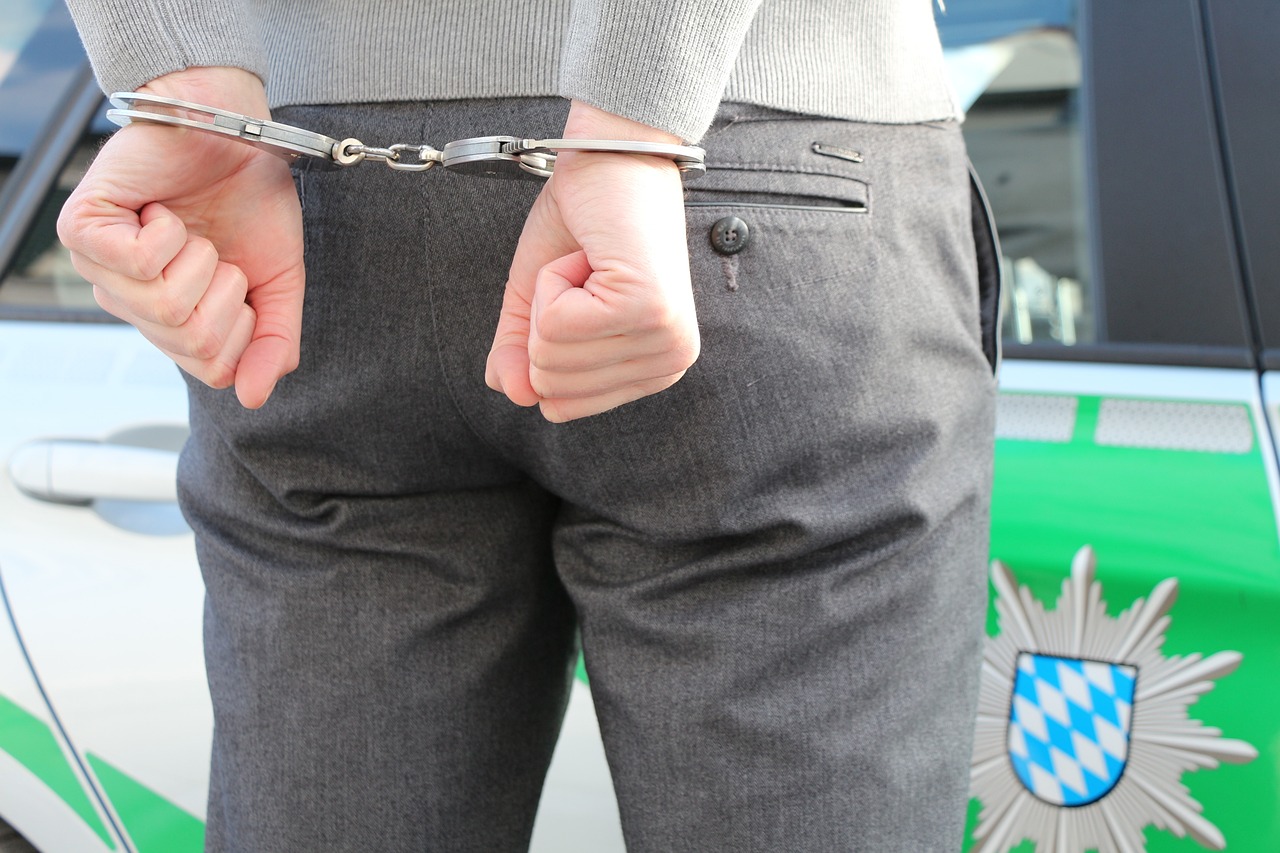
Private investigators play a vital role in defense cases by finding and organizing evidence that helps prove a client’s innocence. They work directly with defense attorneys to strengthen legal cases through hands-on investigation.
A defense investigator’s main tasks include: – Collecting and examining evidence – Interviewing witnesses – Verifying alibis – Finding new leads and witnesses – Taking photos and videos of crime scenes – Running background checks – Searching for alternative suspects
These investigators act as fact-finders who dig deep into cases to uncover important details lawyers might miss. They talk to people, review documents, and piece together timelines that can make or break a defense case. Their work often reveals new evidence or witnesses that help paint a clearer picture of what really happened.
Working alongside defense attorneys, private investigators build stronger cases by gathering proof that supports their client’s side of the story. Their detailed findings help lawyers prepare better arguments and challenge evidence presented by prosecutors.
Conducting Comprehensive Background Checks
Background checks are a key tool private investigators use to help defense attorneys build strong cases. These checks gather important information about a person’s history in a careful, legal way.
A good background check looks at: – Financial records: Bank accounts, debts, and spending patterns that might explain someone’s actions – Work history: Past jobs, references, and any gaps in employment – Criminal records: Past arrests, convictions, or legal issues – Education: Degrees earned and school attendance – Public records: Property ownership, marriages, and court documents
Private investigators collect this information using public databases, interviews, and official records. They focus on finding facts that help lawyers understand the full picture of a case. This detailed research helps prevent surprises during trial and gives defense teams the information they need to represent their clients effectively.
Private investigators must be thorough but discreet, following all legal guidelines while gathering sensitive information. Their findings often reveal important details that can strengthen a defense strategy or highlight overlooked facts about a case.
Gathering and Analyzing Evidence
Private investigators help defense cases by finding and analyzing evidence that others might miss. They look for new clues, gather security camera footage, and collect physical evidence that police may have overlooked.
Their work involves three main tasks: 1. Examining crime scenes with fresh eyes to spot overlooked details 2. Checking witness stories to make sure they’re accurate and reliable 3. Taking photos, collecting samples, and documenting everything carefully
Investigators use everyday tools like cameras, recorders, and notebooks to build a complete picture of what happened. They talk to witnesses in a friendly, casual way that often helps people remember important details. By looking at evidence from different angles, they can find new information that helps lawyers build stronger defense cases.
The best evidence comes from careful, systematic work and attention to detail. Investigators focus on facts rather than assumptions, helping ensure that every possible piece of evidence supports their client’s defense.
Interviewing Witnesses and Key Individuals
Interviewing witnesses requires skill, patience, and attention to detail. Private investigators gather important information by talking to people who saw or know something about a case.
Good interviews start with basic, open-ended questions that help witnesses feel comfortable sharing their story. Investigators watch for body language and tone of voice while taking detailed notes. They avoid leading questions or showing personal opinions that might influence answers.
Key steps in witness interviews: • Listen more than talk • Record exact quotes when possible • Verify facts through other sources • Respect witness privacy and comfort • Document time, date, and location
Building trust is essential. Investigators stay professional but friendly, explain the interview purpose clearly, and give witnesses time to think and respond. They cross-check statements with evidence and other testimonies to confirm accuracy.
This careful approach helps uncover valuable case details while protecting witness rights and maintaining investigation integrity.
Surveillance and Monitoring Activities
Surveillance and Monitoring: What Private Investigators Do
Private investigators gather evidence through careful watching and tracking. They use modern tools like GPS trackers and special cameras to document important activities without being noticed. This helps them collect solid proof that can be used in court cases.
These investigators follow strict rules to make sure their evidence is legal and reliable. They watch from safe distances, take clear photos and videos, and keep detailed notes about what they see. Common surveillance locations include public spaces, business areas, and other spots where they have permission to monitor.
Their work helps lawyers, businesses, and clients get the facts they need to solve cases. Good surveillance means staying patient, alert, and using the right tools at the right time to capture key moments that matter.
Evidence Collection Techniques
Evidence Collection: A Private Investigator’s Guide
Private investigators use careful, step-by-step methods to gather evidence that holds up in court. They focus on two main tasks: watching people without being noticed and keeping detailed records of what they see.
Good evidence collection means: – Taking clear photos and videos – Writing detailed notes about dates, times, and locations – Staying hidden while observing subjects – Recording interactions and daily patterns – Keeping all evidence organized and secure
Private investigators build strong cases by paying attention to small details and following proper documentation steps. They watch how people behave, who they meet with, and what they do in their daily routines. This careful approach helps lawyers and clients prove their cases with solid, reliable evidence.
All information must be gathered legally and ethically to be useful in court. Investigators focus on collecting facts rather than making assumptions, ensuring every piece of evidence directly supports the case.
Technology in Surveillance
Modern Surveillance Technology: A Simple Guide
Today’s surveillance tools make monitoring and information gathering easier and more accurate than ever before. These technologies help investigators work more efficiently while staying discreet.
Smart Camera Systems Small wireless cameras now capture crystal-clear video and sound from virtually anywhere. These cameras connect to phones or computers, letting investigators watch and record important events in real-time without being noticed.
Location Tracking GPS trackers show exactly where people or vehicles go and when they were there. Think of it like a digital map that records every stop and movement, helping piece together daily patterns and routines.
Smart Data Tools Computer programs quickly sort through large amounts of information to find important patterns. This helps investigators spot unusual activities or behaviors that might otherwise be missed, similar to finding specific puzzle pieces in a large puzzle.
Related terms and concepts are naturally grouped together (surveillance/monitoring, cameras/video/recording, tracking/GPS/location, data/patterns/analysis) to enhance search relevance while maintaining simple, clear language.
Digital Forensics and Cyber Investigation
Digital Forensics: Your Guide to Digital Crime-Solving
Digital forensics helps solve crimes by finding and analyzing digital clues. Think of it like detective work, but for computers, phones, and other digital devices. Investigators use special tools to recover deleted files, read old emails, and track digital footprints – just like following traditional fingerprints at a crime scene.
Network Analysis Made Simple Investigators watch how data moves across networks, similar to monitoring traffic on a busy street. They spot unusual patterns that might signal a cyber attack or data theft. For example, if someone’s computer suddenly sends large amounts of data at 3 AM, that’s a red flag.
Getting Results Digital forensics experts: – Recover deleted photos, messages, and files – Track online activities and communications – Find evidence of hacking or data breaches – Document digital evidence for legal cases
As more crimes involve technology, digital forensics becomes essential for solving cases and protecting people online. These digital detectives use everyday tech knowledge to catch cybercriminals and prevent future attacks.
Corroborating Alibi and Testimony
Understanding Alibis and Witness Statements
A strong defense case relies on proving that witness statements and alibis are true. Private investigators help verify these claims by gathering solid evidence and checking facts. Here’s what they do:
- Proving Stories Are True Investigators collect real proof that backs up what people say happened. They check security cameras, receipts, phone records, and other evidence that shows where someone was and what they did.
- Finding and Fixing Problems By comparing different people’s stories, investigators spot any differences early. This helps fix mistakes before they hurt the case in court and makes sure everyone’s story matches the facts.
- Building Strong Evidence Investigators create a clear record using:
- Video recordings
- Photos
- Written statements
- Location data
- Business records
This careful checking process helps build trust in court and makes the defense case stronger. Every piece of evidence must fit together perfectly to show the truth of what really happened.
Identifying and Researching Alternative Suspects
Looking Beyond Prime Suspects: A Defense Strategy
Defense teams search for alternative suspects to build stronger cases and ensure justice. This crucial step helps uncover overlooked evidence and potential leads that police may have missed during their initial investigation.
Private investigators use three main approaches to identify other possible suspects: – Reviewing case evidence for missed connections – Interviewing additional witnesses – Examining alibis and timelines of other potential suspects
These investigations often reveal important details: • Hidden motives of other individuals • Unreported conflicts or relationships • New witnesses who weren’t questioned • Physical evidence pointing to different suspects
This thorough approach serves two key purposes: 1. It helps ensure no innocent person is wrongly convicted 2. It creates reasonable doubt by showing other plausible scenarios
The defense team’s careful investigation of alternative suspects strengthens cases by providing judges and juries with a complete picture of events, not just the prosecution’s narrative.
Collaborating With Legal Teams
Working With Legal Teams: A Guide for Private Investigators
Private investigators and lawyers work together to build strong defense cases. This partnership helps uncover crucial evidence and creates a more complete strategy for clients.
Evidence Gathering PIs find and collect important case evidence that lawyers might miss. They search public records, take photos, gather documents, and track down useful information that strengthens legal arguments.
Witness Support Investigators talk to witnesses, take statements, and verify accounts. They help lawyers understand the full story by finding and interviewing people connected to the case.
Case Building PIs examine case details to spot problems in the prosecution’s arguments. They work closely with lawyers to: – Find gaps in evidence – Check alibis – Discover new leads – Build timeline of events
This teamwork between investigators and lawyers leads to better case outcomes and stronger defense strategies for clients. Each professional brings unique skills that complement the other’s expertise.
Navigating Legal and Ethical Boundaries
Private investigators must follow strict rules while doing their job. They need to know what’s legal and what isn’t when gathering information or evidence.
These rules are straightforward: – Stay within the law when collecting evidence – Respect people’s privacy rights – Follow professional ethics codes – Keep client information confidential – Document everything properly
Good PIs balance getting results with doing things the right way. This means: – Never trespassing or breaking into property – Not recording conversations without proper consent – Avoiding deceptive tactics that could harm cases – Being honest with clients about what’s possible
Working ethically keeps investigations valid and protects everyone involved. It builds trust with clients and maintains the profession’s reputation while getting the job done right.
Legal Framework Understanding
Legal Basics for Private Investigators
Private investigators need to know the law to do their job right. Think of it as learning the rules of the game before playing. The legal system affects every part of an investigator’s work, from gathering evidence to writing reports.
Key Legal Requirements:
- Know Your Area’s Laws: Different cities and states have different rules. What’s legal in one place might not be in another. For example, recording conversations might be fine in some states but illegal in others.
- Keep Up with New Laws: Laws change often. Smart investigators regularly check for updates, join professional groups, and attend training sessions to stay current.
- Work with Lawyers: Team up with attorneys to understand exactly what’s needed for each case. Regular check-ins help avoid legal pitfalls and make investigations more effective.
These practices help investigators work within the law while getting results for their clients. Following these guidelines keeps investigations legal and valuable for defense teams.
Ethical Conduct Guidelines
Private investigators must follow strict ethics rules to do their job right and stay within the law. Think of these rules as a roadmap that keeps investigators on the right path.
The basics are simple: – Keep client information private – Stay within legal limits – Be honest and fair – Document everything properly – Avoid conflicts of interest
When handling sensitive cases, investigators always get clear permission before sharing any information. They stick to legal methods of gathering evidence, like using public records or conducting approved surveillance. This protects both the investigator and their clients.
Good investigators are like fact-finders who follow the rules. They don’t take sides, make up evidence, or break laws to get results. Instead, they use legitimate research, interviews, and observation to uncover the truth.
Privacy Rights Considerations
Privacy Rights in Private Investigation: What You Need to Know
Private investigators must balance getting results with protecting people’s privacy rights. This means following clear rules about collecting and using personal information legally and ethically.
Key Privacy Guidelines:
- Collecting Information Personal data must be gathered legally with proper permission. This includes public records, interviews, and documented evidence. Always ask: “Do I have the right to collect this information?”
- Using Surveillance Watching someone requires careful limits. Investigators can observe public activities but can’t peek into private spaces or record conversations without consent. Think of it as respecting personal boundaries while doing your job.
- Handling Information Treat collected data like valuable secrets. Store it securely, share it only with authorized people, and destroy it when no longer needed. Keep detailed records of who accessed the information and why.
Following these rules protects both the investigator and the people being investigated, leading to better, more trustworthy results.
Frequently Asked Questions
What Qualifications Should a Private Investigator Have?
Private investigators need specific skills and certifications to work legally and effectively. Most states require a license, which typically involves:
• High school diploma or equivalent • Background check clearance • Professional training in investigation techniques • State-approved certification courses • Valid driver’s license • Clean criminal record
Key skills that make a good private investigator include:
• Research and analytical abilities • Basic computer and technology knowledge • Surveillance techniques • Interview skills • Report writing • Knowledge of privacy laws
Many PIs also have backgrounds in law enforcement, military service, or criminal justice, though this isn’t always required. Continuing education helps investigators stay current with new investigation methods, technology, and legal requirements.
The best investigators combine formal training with practical experience to deliver reliable results for their clients.
How Can I Verify a Private Investigator’s Credentials?
Check a Private Investigator’s Credentials in 3 Easy Steps
- Request their license number and verify it through your state’s licensing board website or phone line. Every legitimate PI must have a current state license to operate legally.
- Ask for professional references and contact them. Reputable PIs work with law firms, insurance companies, or other businesses that can confirm their track record and reliability.
- Look up their business registration and check online reviews. Search the PI’s company name through your state’s business registry and read client feedback on trusted review sites.
Red Flags to Watch For: – Unwillingness to share license information – No physical business address – Unusually low rates – Missing or poor online presence – Lack of professional references
Remember: Licensed private investigators must follow strict state regulations and maintain proper credentials. If something feels off, trust your instincts and keep looking.
What Is the Cost of Hiring a Private Investigator for Defense?
Private investigator costs for defense cases typically range from $50 to $150 per hour. The exact price depends on four main factors: the investigator’s background, how complex your case is, where you’re located, and what tools or resources they’ll need to use.
Most defense investigations require a mix of services like background checks, witness interviews, and evidence gathering. More experienced investigators in major cities usually charge higher rates, while those in smaller towns may offer lower prices. Some PIs might require a retainer fee or minimum hours, so it’s smart to discuss payment terms upfront.
When hiring a PI for defense work, always: • Get a written cost estimate • Ask about additional expenses • Check their licensing and credentials • Understand their billing structure • Confirm which services are included
How Do Private Investigators Maintain Confidentiality?
Private investigators protect client information through strict security measures and professional practices. They:
• Keep all client data in locked, secure storage systems • Use encrypted communication methods for emails and messages • Never discuss cases with unauthorized people • Destroy sensitive documents properly when no longer needed • Follow all privacy laws and regulations carefully
Confidentiality works like a chain of trust between the investigator and client. Just as doctors keep patient information private, PIs maintain complete secrecy about their cases. They share details only with authorized team members and protect client identities at all times.
They also use secure technology like: • Password-protected devices • Encrypted file storage • Private meeting spaces • Secure document shredding • Confidential case management systems
Can Private Investigators Work Internationally?
Yes, private investigators can work internationally, but they must follow strict rules in each country.
Private investigators who work across borders need to know and follow the laws of each country they work in. This means: – Getting proper permits and licenses – Working with local partners when needed – Understanding what’s legal in different countries – Respecting cultural differences
For example, what’s legal in the US might be illegal in France or Japan. A good international PI stays up-to-date on local laws, works with trusted contacts in each country, and makes sure all work follows legal guidelines. This protects both the investigator and their clients from legal troubles.
The best private investigators build networks in different countries and often team up with local experts to handle cases properly and safely.