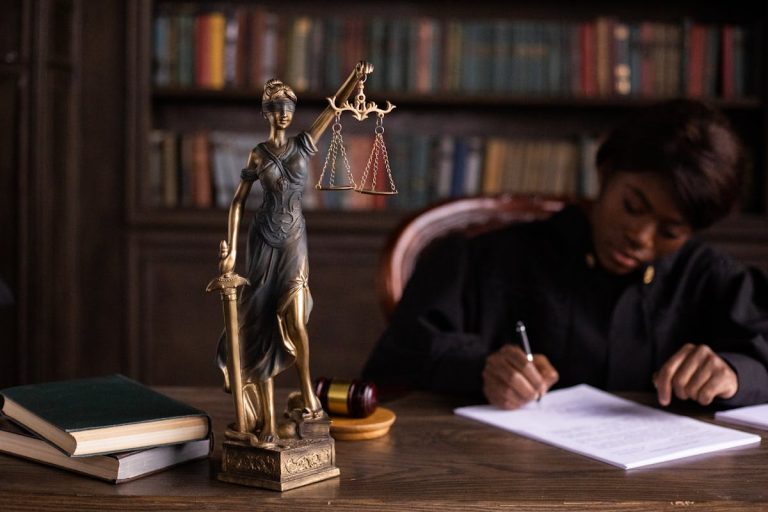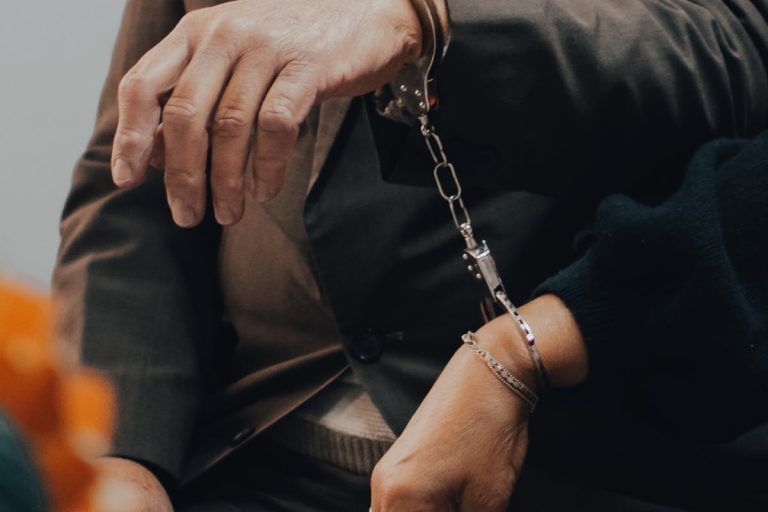
Criminal defense attorneys protect people accused of crimes and ensure they receive a fair trial. They handle everything from reviewing police reports to representing clients in court.
These lawyers work daily to: – Review evidence and police documents – Meet with clients to understand their side of the story – Build strong defense strategies – Negotiate with prosecutors for better deals – Present cases in court – File important legal documents – Interview witnesses
In practice, a defense attorney acts as both legal expert and advocate. They explain complex legal issues in simple terms to their clients, challenge unfair charges, and work to reduce penalties when possible.
They also: – Spot police mistakes or rights violations – Find holes in the prosecution’s case – Gather evidence that helps their client – Protect their client’s constitutional rights
This vital work helps maintain balance in the justice system by making sure everyone, regardless of guilt or innocence, receives proper legal representation and a fair trial.
Understanding the Charges and Legal Framework
The First Step: Understanding Your Criminal Charges
Criminal defense starts with a clear understanding of the charges and laws that apply to your case. Just like reading a map before a journey, knowing exactly what you’re facing helps plot the best path forward.
Your defense attorney will: – Review the specific charges against you – Check which laws apply to your situation – Look at similar past cases – Spot any problems with how the law was applied
This basic review reveals the strength of the prosecution’s case and helps identify the best defense strategies. It also shows whether police or prosecutors may have overstepped their authority or made mistakes in charging you.
Understanding your charges early leads to better defense planning and often uncovers opportunities to challenge the case against you. Your attorney uses this knowledge to build a strong defense strategy that protects your rights and interests.
Conducting a Thorough Investigation
A thorough investigation forms the heart of any strong criminal defense case.
Defense attorneys gather and analyze evidence to build the strongest possible case for their client. They look for any facts that could show their client’s innocence or reduce potential penalties. This includes:
• Collecting witness statements and conducting interviews • Reviewing police reports and evidence • Examining crime scenes and taking photos • Analyzing security camera footage • Getting expert opinions when needed
The investigation focuses on finding gaps in the prosecution’s case while uncovering evidence that helps the defendant. Attorneys carefully document everything they find, from inconsistent witness accounts to overlooked physical evidence. They also look for any legal issues with how evidence was collected or handled by police.
This careful investigation process often reveals important details that can change the outcome of a case. Sometimes it uncovers proof of innocence, while other times it may show the incident happened differently than claimed.
Analyzing and Challenging Evidence
Evidence Under the Microscope: A Guide to Legal Fact-Checking
Strong evidence can sometimes break down when carefully examined. Defense lawyers check evidence like detectives solving a puzzle, looking for mistakes that could change a case’s outcome. Here’s how they do it:
Evidence Path Check Lawyers track how evidence moves from crime scene to courtroom. They ask: Did anyone handle it incorrectly? Was it stored properly? One broken link in this chain can make evidence unusable in court.
Testing the Tests Not all forensic methods are equally reliable. Lawyers examine whether DNA tests, fingerprint analysis, or other scientific methods were done correctly and meet current scientific standards.
Finding Mistakes Legal teams look for errors in how evidence was collected and processed. Simple mistakes like improper storage or incorrect documentation can make important evidence invalid.
This careful review process helps ensure that only reliable evidence makes it to court, protecting everyone’s right to a fair trial.
Developing a Defense Strategy
Building a Strong Defense Strategy
A defense attorney’s main job is to protect their client by carefully reviewing all case details and building the strongest possible defense. This starts with a thorough case review looking for:
• Key evidence that supports innocence • Mistakes in police procedures • Violations of constitutional rights • Gaps in the prosecution’s case
The attorney then builds clear, convincing arguments that connect with judges and juries. They focus on facts that show their client’s side of the story, using everyday language and relatable examples. This might include:
• Explaining circumstances that led to the incident • Highlighting witness testimony supporting the defense • Demonstrating proper police procedures weren’t followed • Showing evidence that points to reasonable doubt
This process requires balancing legal expertise with straightforward communication to achieve the best possible outcome for the client.
Analyzing Case Details
Understanding Criminal Defense Case Analysis
Breaking down a criminal case involves three simple but crucial steps that help build a strong defense. Let’s look at how defense lawyers analyze cases to protect their clients’ rights.
- Looking at Case Difficulty Defense lawyers first check how complex the case is. They look at the charges, laws involved, and possible challenges. Think of it like a doctor examining a patient – they need to know exactly what they’re dealing with before making a plan.
- Checking the Evidence Lawyers carefully review all evidence, much like a detective. They ask key questions:
- Is the evidence properly collected?
- Can we trust the source?
- Does it actually relate to the case?
- Putting the Pieces Together The lawyer combines all facts, witness statements, and evidence into a clear story. This helps them:
- Predict how prosecutors will present their case
- Find gaps in the prosecution’s argument
- Build strong counter-arguments
This structured approach helps lawyers create effective defense strategies that protect their clients’ interests and rights in court.
Identifying Legal Defenses
Legal Defenses: A Guide for Understanding Your Rights
A good legal defense starts with finding the right ways to challenge criminal charges. Defense lawyers look for three main things: problems with the evidence, gaps in the prosecution’s story, and possible violations of legal procedures.
Key defense strategies include: • Examining police reports and witness statements for inconsistencies • Checking if evidence was properly collected and handled • Looking for alibi evidence that proves innocence • Identifying any violations of constitutional rights
Defense lawyers build their case by: 1. Gathering all available evidence 2. Interviewing witnesses 3. Finding experts when needed 4. Creating a clear timeline of events
The goal is simple: show either that the defendant didn’t commit the crime or that the prosecution can’t prove their case beyond reasonable doubt. This might involve showing that evidence is unreliable, witnesses made mistakes, or proper legal procedures weren’t followed.
Success depends on careful investigation and presenting facts in a way that makes sense to judges and juries. Every case is different, but the focus stays on protecting the defendant’s rights while challenging the prosecution’s evidence.
Crafting Persuasive Arguments
Persuasive Arguments in Criminal Defense
A strong defense needs more than just facts – it needs arguments that connect with the jury and tell a compelling story. Good defense attorneys win cases by making their points clear, relatable, and memorable.
Key elements of persuasive courtroom arguments:
- Tell a Clear Story: Turn case facts into an easy-to-follow narrative that helps jurors understand and relate to the defendant’s situation.
- Handle Opposing Views: Deal with prosecution arguments directly by explaining why they don’t tell the whole story. This builds trust with the jury.
- Connect Three Ways:
- Appeal to emotions (help jurors feel empathy)
- Show ethical reasoning (demonstrate right from wrong)
- Present logical evidence (prove your points with facts)
These three parts work together to create arguments that make sense to jurors both logically and emotionally. Defense attorneys succeed when they combine solid evidence with clear, relatable storytelling that helps jurors see the full picture.
Negotiating Plea Bargains
Plea Bargains: What You Need to Know
A plea bargain is a deal between prosecutors and defendants that helps resolve criminal cases without going to trial. Most criminal cases end with plea bargains because they save time and reduce risk for both sides.
Defense lawyers help their clients evaluate plea deals by: – Looking at the evidence against them – Calculating possible sentences – Comparing trial risks versus plea benefits – Understanding local court patterns
Good plea deals can mean: – Lower charges – Shorter sentences – Avoiding jail time – Better long-term outcomes
Defense attorneys negotiate with prosecutors to get the best possible terms, weighing factors like: – Case strength – Available evidence – Client’s background – Similar case outcomes
Making the right choice about a plea bargain means carefully considering these options with your lawyer. The decision affects not just immediate consequences but also future opportunities like employment and housing.
Representing Clients in Court
What Defense Lawyers Do in Court: A Simple Guide
A defense lawyer’s main job is to protect their client’s rights and fight for the best possible outcome in court. Think of them as your legal guide and advocate throughout the entire court process.
Key Steps Defense Lawyers Take:
- Getting Ready for Court
- Collect evidence that helps your case
- Interview witnesses
- Review police reports and documents
- Build a strong defense strategy
- Working with Clients
- Explain your legal rights in plain language
- Discuss possible outcomes and options
- Help you make informed decisions
- Keep you updated on case progress
- Fighting for You in Court
- Present your side of the story clearly
- Question witnesses effectively
- Challenge evidence that hurts your case
- Make strong arguments to judge and jury
Success in court depends on how well your lawyer handles these three areas. Good lawyers combine legal knowledge with clear communication to defend their clients effectively. Remember: your lawyer works for you, making sure you understand every step and get fair treatment in court.
Protecting Clients’ Constitutional Rights
Criminal defense attorneys protect your basic legal rights throughout the legal process. They serve as your guardian in the justice system, making sure police and prosecutors follow the rules.
These rights include: • Your right to remain silent • Protection from illegal searches • The right to a fair trial • Being considered innocent until proven guilty
Defense lawyers watch for any violations of these rights and challenge evidence that wasn’t properly obtained. They carefully review police reports, witness statements, and all evidence to spot problems. If they find mistakes or illegal actions, they fight to have that evidence thrown out of court.
This protection matters because it: • Prevents wrongful convictions • Keeps law enforcement accountable • Ensures fair treatment for everyone accused of a crime • Makes prosecutors prove their case properly
The defense attorney’s work helps maintain a fair justice system where everyone’s rights are respected, regardless of the charges they face.
Advising Clients Throughout the Legal Process
Understanding Your Legal Rights: What Defense Attorneys Do
Defense attorneys help you understand your legal rights in simple terms and guide you through the court process. They explain what you can and cannot do under the law, and create a plan to defend your case based on your specific situation.
Your attorney will: • Break down complex legal terms into plain language • Explain your options at each step • Help you make informed decisions about your case • Develop strategies to protect your rights • Keep you updated on case progress
Think of your defense attorney as your personal legal guide – they translate confusing legal procedures into clear action steps. Having an experienced attorney means you don’t have to figure out the legal system alone. They work to get the best possible outcome while making sure you fully understand your rights and choices throughout your case.
Legal Rights Explanation
Legal Rights in Criminal Defense: A Simple Guide
Your legal rights protect you during any interaction with law enforcement or the court system. A criminal defense attorney helps you understand and use these rights effectively.
Key Rights You Should Know: 1. Right to remain silent – You don’t have to answer questions from police or prosecutors 2. Right to an attorney – You can have a lawyer present during questioning and court proceedings 3. Right to a fair trial – You’re innocent until proven guilty and deserve a fair legal process
Your Attorney’s Role: – Explains your rights in plain language – Spots when police or others violate your rights – Helps you make smart choices about pleas or going to trial – Protects your interests throughout your case
Important Steps: 1. Listen carefully when police read your rights 2. Ask for a lawyer before answering questions 3. Tell your attorney if you think your rights were violated 4. Make informed decisions based on your attorney’s advice
Remember: Understanding your rights helps protect you. When in doubt, ask your attorney to explain anything you don’t fully understand.
Case Strategy Development
Criminal Defense Strategy: Building a Strong Case
A defense attorney builds a winning strategy by carefully examining evidence, understanding their client’s situation, and creating a clear plan of action. Think of it like putting together a puzzle – each piece needs to fit perfectly.
First, the attorney reviews all case materials: police reports, witness statements, and physical evidence. They look for strengths to highlight and weaknesses to address in the prosecution’s case. This helps them choose the best approach, whether negotiating a plea deal or preparing for trial.
Key steps include: • Analyzing evidence quality • Evaluating witness reliability • Understanding court patterns • Preparing strong counterarguments • Protecting client rights
The attorney matches their strategy to what works best for their client’s specific case. They stay ready to adjust their approach as new information comes up, always keeping their client’s best interests as the top priority.
Remember: A good defense strategy combines thorough preparation with flexible thinking to achieve the best possible outcome.
Post-Trial Advocacy and Appeals
What Happens After a Trial: Appeals and Next Steps
After a trial ends, defendants have the right to challenge the court’s decision through appeals and other legal options. This process gives people a second chance to prove their case wasn’t handled fairly or correctly.
Defense lawyers help in three main ways:
- Filing Appeals: Lawyers spot mistakes from the trial and write clear arguments explaining why the case deserves another look. They point out things like wrong decisions by judges or evidence that shouldn’t have been used.
- Speaking to Appeal Judges: Lawyers present the strongest points of their written arguments directly to judges who review the case. This face-to-face discussion helps judges better understand why the original verdict should change.
- Special Legal Challenges: When regular appeals aren’t enough, lawyers can file special requests called “habeas corpus” petitions. These challenge unfair imprisonment and bring up new evidence that wasn’t available during the trial.
A good lawyer’s work after trial can mean the difference between freedom and imprisonment, making sure the legal system treats everyone fairly.
Frequently Asked Questions
How Do I Choose the Right Criminal Defense Attorney for My Case?
Choosing the right criminal defense attorney comes down to three key steps: research, consultation, and evaluation.
Look for attorneys who specialize in your type of criminal case and have a strong track record in your local courts. Check their state bar standing, read client reviews, and verify their experience with cases similar to yours.
Schedule free consultations with 2-3 attorneys to discuss your case. Ask about their approach, success rates, and who will actually handle your case. Pay attention to how well they explain things and whether they make you feel comfortable.
Talk openly about fees and payment options during the consultation. Most criminal defense attorneys offer payment plans, and understanding costs upfront helps avoid surprises. Get all fee agreements in writing before moving forward.
Remember: the best attorney for you combines relevant experience, clear communication, and manageable payment terms that fit your budget.
What Factors Influence the Cost of Hiring a Criminal Defense Attorney?
The cost of hiring a criminal defense attorney depends on five main factors:
- Experience level: More experienced attorneys typically charge higher rates because they bring years of courtroom knowledge and proven success records.
- Case complexity: Straightforward cases like first-time DUIs cost less than complex fraud cases or violent crime charges that require extensive investigation and court time.
- Location: Legal fees vary by city and state. Attorneys in major cities like New York or Los Angeles generally charge more than those in smaller towns.
- Payment structure: Attorneys offer different payment options:
- Hourly rates ($150-$700 per hour)
- Flat fees for specific case types
- Retainer payments (upfront deposits)
- Case timeline: Longer cases that require multiple court appearances and extensive preparation cost more than cases that settle quickly.
Always get fee agreements in writing and ask about payment plans or sliding scale options if needed.
How Can an Attorney Help if I Am Falsely Accused of a Crime?
A criminal defense attorney helps falsely accused individuals by building a strong defense strategy and protecting their legal rights. They work to prove your innocence through:
Clear evidence gathering: Your attorney collects witness statements, security footage, and documents that support your innocence. They find holes in the prosecution’s case and present facts that show you didn’t commit the crime.
Legal protection: They make sure police and prosecutors follow proper procedures, keeping evidence that was wrongly obtained out of court. Your attorney speaks on your behalf during questioning and court appearances, preventing self-incrimination.
Expert defense: They bring in specialists when needed, challenge witness credibility, and create doubt about false accusations. Your lawyer knows what evidence matters most and how to present it effectively to judges and juries.
Can a Criminal Defense Attorney Assist With Expungement of My Record?
Yes, criminal defense attorneys help with record expungement. They’re experts at clearing past convictions from your criminal record and making the process much easier.
A good defense lawyer knows exactly what paperwork you need, which forms to file, and when to submit everything to the court. They’ll walk you through each step, from checking if you qualify for expungement to submitting your final documents. Having a lawyer handle your expungement means:
• Less stress dealing with complex legal paperwork • Better chances of getting your record cleared • Professional guidance throughout the process • Help fixing any issues that come up
Think of expungement like hitting the reset button on your criminal record – and a defense attorney is your guide to doing it right the first time.
What Should I Bring to My First Meeting With a Criminal Defense Attorney?
Bring these essential items to your first meeting with a criminal defense attorney:
• Police reports and court documents related to your case • Photos, videos, or screenshots that support your side of the story • Names and contact information of potential witnesses • A written timeline of events in simple, chronological order • Any communication (texts, emails, letters) related to your case • Bail paperwork or release conditions if applicable • Notes about important dates, locations, and people involved
Write down your questions before the meeting to make the most of your time. Keep your documents organized in a folder, and bring a notepad to write down important information during the consultation. This preparation helps your attorney understand your case quickly and start building your defense strategy right away.