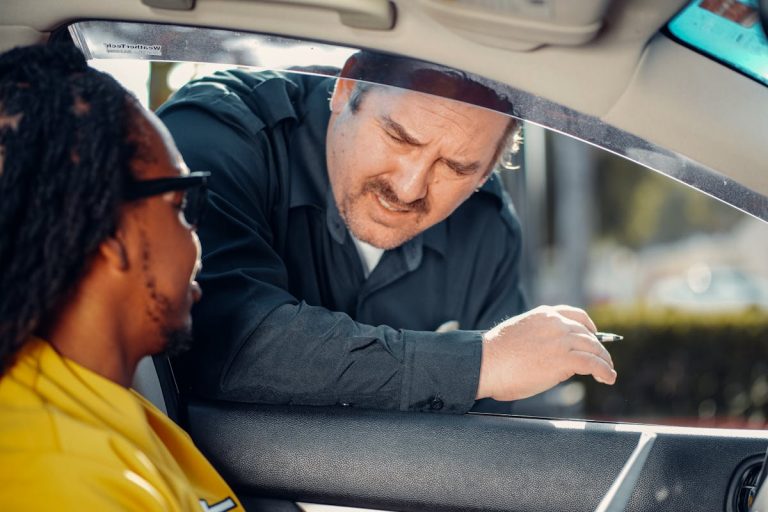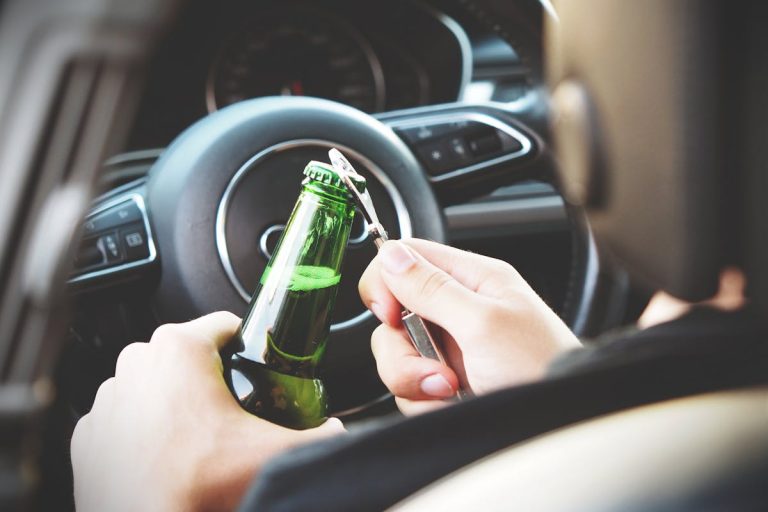
The question of culpability when one is too inebriated to realize the extent of their actions poses a complex moral and legal conundrum. Alcohol unquestionably impairs judgement, but does this absolution from self-awareness translate into absolution from accountability? While it is clear that society generally expects individuals to bear the consequences of their actions, regardless of their state of sobriety, the matter opens up a broader discussion on the intricate interplay between personal responsibility, societal norms, and the influence of substances on human behavior. As we navigate these blurred lines, it is imperative we consider the long-term implications of our conclusions.
Understanding Alcohol and Judgment
While it’s commonly known that alcohol can impair judgment, the mechanisms behind this process are less understood. Alcohol metabolism plays a significant role in this impairment. As the body breaks down alcohol, it produces acetaldehyde, a toxic compound that can affect cognitive functions. This, in turn, leads to judgment impairment, making it challenging for individuals to make sound decisions. The effects of alcohol on the brain are complex and multifaceted, with the amount of alcohol consumed, the rate of consumption, and individual tolerance levels all playing a role. It is important for individuals to understand these mechanisms to better navigate their relationship with alcohol and to make informed decisions about consumption, thereby mitigating potential risks.
The Legal Perspective on Intoxication
Maneuvering the complexities of intoxication law can be challenging, given its significant variation across jurisdictions. It is important to recognize that intoxication, voluntary or otherwise, may not always serve as a viable legal defense. The nuances of these laws and their impact on an individual’s legal standing require careful, empathetic analysis to guarantee a thorough understanding.
Understanding Intoxication Law
In order to comprehend the legal implications of intoxication, it is imperative to explore the nuances of intoxication law. This field is complex, dealing with questions of intoxication awareness and the individual’s legal responsibility. Intoxication law hinges on the belief that adults should understand the potential consequences of their actions, including the decision to consume substances that might impair judgment. It seeks to balance empathy for those who may not have intended harm while intoxicated, with the need for accountability. However, it’s critical to remember that unawareness due to intoxication doesn’t absolve one from responsibility. Legally, the onus remains on individuals to maintain control over their actions, irrespective of their state of intoxication.
Intoxication as a Defense
Despite being a complex and often controversial aspect of law, the use of intoxication as a defense has its roots in the understanding that an individual’s capacity to form intent can be compromised under the influence of alcohol or drugs. It is empathetically understood that inebriation can impair judgment, leading to unintended actions. However, the legal implications of the intoxication defense are multifaceted and can vary widely depending on jurisdiction. While some legal systems may partially excuse offenses committed under intoxication, others may reject it outright as a viable defense. This ambiguity underscores the need for a thorough understanding of the intoxication defense, ensuring individuals are adequately informed of the potential legal consequences of their actions while under the influence.
Impaired Decision-Making Under Influence
While it is not uncommon for individuals to seek solace in alcohol, it is essential to understand the repercussions that such a decision can have on one’s ability to make sound judgments. The intake of alcohol can lead to impaired cognition, where rational thinking and problem-solving skills are greatly hampered. Alcohol effects are not limited to physical health but extend to mental processes, leading to the possibility of making decisions one may not usually consider. This impairment can result in serious consequences, from damaging relationships to legal troubles. Understanding the dynamics of impaired decision-making under alcohol influence is critical to encourage responsible drinking and prevent regrettable actions.
The Moral Aspects of Drunken Actions
How does alcohol consumption influence our moral compass? The introduction of alcohol into our systems can blur the lines of moral responsibility, often leading to actions that defy our sober ethical standards. The ethical implications of such behavior are significant, as we are still held accountable for our actions, regardless of our state of intoxication. Yet, it’s important to acknowledge the altered state of consciousness that alcohol induces. This does not absolve one of moral responsibility, but it does provide a context in which decisions may not reflect one’s sober self. As a result, it is vital to reflect on the profound impact alcohol can have on our moral decision-making process and the subsequent consequences.

Case Studies: Drunkenness and Crime
Studies have shown a correlation between alcohol consumption and criminal activity, largely due to the impairment of judgment that can occur when one is intoxicated. This connection not only reveals how drunkenness can lead to crime, but it also highlights the severe legal consequences that can follow. As we consider these case studies, it’s important to remember that alcohol-induced actions can have far-reaching effects that extend beyond the immediate moment of intoxication.
Alcohol Influence on Judgment
Although not universally applicable, there exists a strong correlation between excessive alcohol consumption and impaired judgment, often leading to criminal behavior. Alcohol has the potential to alter one’s perception dramatically, distorting judgment and leading to regrettable decisions. In this scenario, alcohol perception is a key player, as a person’s ability to evaluate situations, assess risks, and make reasonable choices is considerably decreased. This judgment distortion, resulting from high alcohol levels in the bloodstream, can result in actions that range from minor indiscretions to substantial criminal activities. It’s essential to understand that while intoxication may not excuse wrongdoing, the influence of alcohol on judgment can turn any ordinary individual into a potential offender.
Drunkenness Leads to Crime
The distortion of judgment caused by excessive alcohol consumption, as previously discussed, not only alters a person’s perception but has also been found to be a significant factor in numerous criminal activities. Drunken behavior often leads to impulsive decisions, with individuals under the influence frequently engaging in actions that they would otherwise avoid. A multitude of case studies substantiate this, revealing a strong correlation between intoxication and criminal incidents. The legal implications of such actions can be severe, regardless of whether the individual was fully conscious of their wrongdoings at the time. Essentially, the impairment of judgment due to drunkenness can potentially propel a person towards crime, further complicating the already complex relationship between alcohol and personal responsibility.
Legal Consequences of Intoxication
While it’s undeniable that excessive alcohol consumption can lead to impaired judgment and potential criminal behavior, it is essential to understand the legal consequences that follow such actions. Intoxication effects can range from mild disorientation to severe impairment, often resulting in actions that violate the law. The legal implications of such behavior are significant and can result in penalties such as fines, probation, or incarceration. Courts often show little sympathy for defendants claiming ignorance due to drunkenness, as individuals are expected to understand the potential consequences of intoxication. It is vital to remember that being under the influence of alcohol neither absolves one from responsibility nor lessens the legal repercussions of any crimes committed.
Long-term Consequences of Drunken Misdeeds
In the aftermath of a drunken incident, one must consider the potential long-term consequences that may arise. Beyond the immediate aftermath, the long-term effects can severely impact one’s life. Damaged relationships, tarnished reputations, and potential career setbacks are but a few of the possible ramifications. Personal accountability plays an essential role in managing these outcomes. Recognizing that intoxication does not absolve one of fault is the first step towards rectification. It is vital to understand that actions taken under the influence are still actions consciously chosen, regardless of the state of mind. Over time, the consequence of a single drunken misdeed could evolve into a life-altering event. Consequently, it’s imperative to grasp the seriousness of such situations.
How Society Views Intoxicated Wrongdoing
Reflecting on the personal implications of intoxicated misdeeds, it’s equally important to contemplate the societal perspective. Society often attaches a social stigma to those who commit wrongdoings under the influence, branding them as irresponsible or reckless. This stigma can lead to isolation and ostracization, impacting individuals’ social and professional lives. Additionally, society upholds strict accountability standards, irrespective of inebriation. The general consensus is that alcohol does not absolve one of guilt or punishment. An individual’s decision to drink excessively is seen as the initial error leading to subsequent misdeeds. Society’s view, fundamentally, is that intoxication should not shield one from the repercussions of their actions, thereby reinforcing the need for personal responsibility.
Preventing Alcohol-Related Wrongdoing
To mitigate the frequency of alcohol-related wrongdoing, understanding and implementing preventative measures is essential. Responsible drinking is an initial, proactive step towards this goal. It means acknowledging the potentially destructive consequences of excessive alcohol consumption and adjusting our behavior accordingly. This includes setting limits on the amount we drink, understanding the effects of alcohol on our bodies and minds, and never drinking and driving.
Community education is another preventative measure. Dispelling myths about alcohol, providing information about its risks, and promoting healthier alternatives can help shape societal attitudes towards drinking. This, in turn, can lead to fewer instances of alcohol-related wrongdoing. Remember, prevention is always better than cure.
Frequently Asked Questions
What Are Some Common Misconceptions About Alcohol and Memory Loss?
Common misconceptions about alcohol-induced memory loss include the belief that it only impacts chronic drinkers and that all memory is restored after sobriety. In truth, both false memories and blackout drinking can occur even in sporadic drinkers.
Can I Be Held Accountable for a Contract Signed While Intoxicated?
Yes, generally, you can be held accountable for a contract signed while intoxicated. However, the intoxication defense could potentially undermine contract validity if you can prove your understanding was greatly impaired during agreement.
How Does Alcohol Affect Our Perception of Right and Wrong?
Alcohol can greatly impair reasoning and distort moral judgment. It affects our cognitive processes, making it difficult to discern right from wrong, potentially leading to decisions or actions we wouldn’t normally consider while sober.
Are Public Figures More Likely to Be Excused for Intoxicated Wrongdoings?
Public figures are not necessarily excused for intoxicated wrongdoings. However, celebrity privilege can influence public perception, often resulting in varied consequences compared to the general public. Society’s reaction largely depends on the severity of the infraction.
What Are Some Effective Strategies to Avoid Alcohol-Related Incidents?
Effective strategies to avoid alcohol-related incidents include implementing preventative measures, such as setting personal drink limits, designating sober drivers, and promoting responsible drinking through awareness campaigns and education about potential consequences of excessive alcohol consumption.