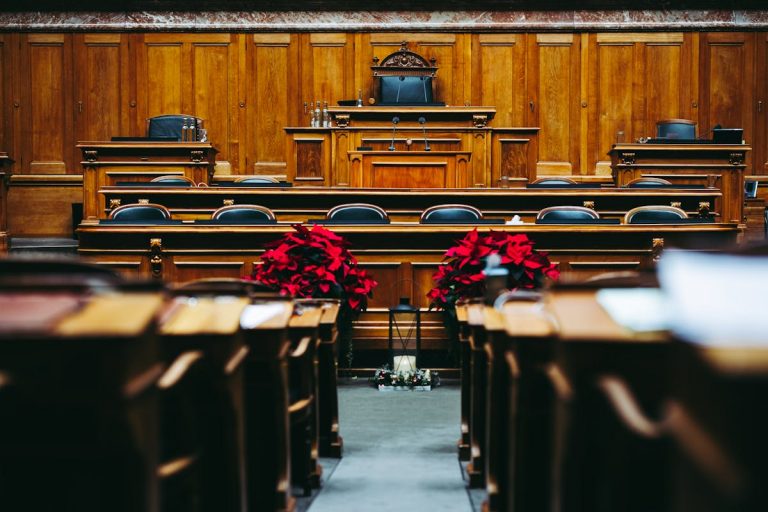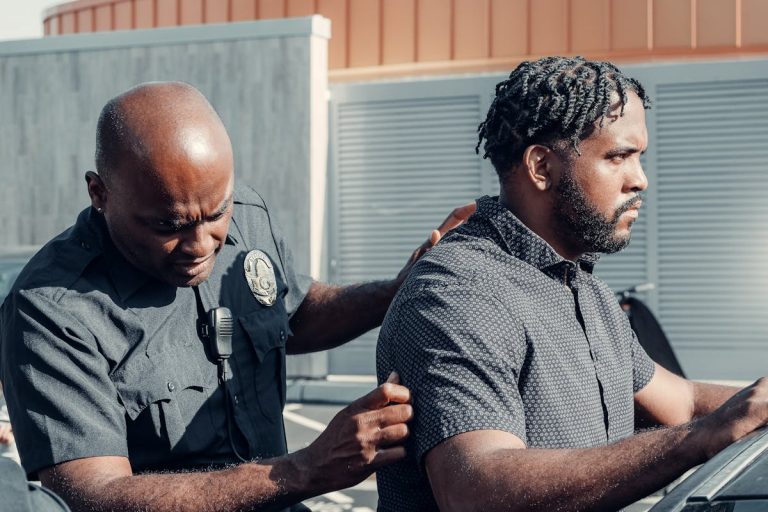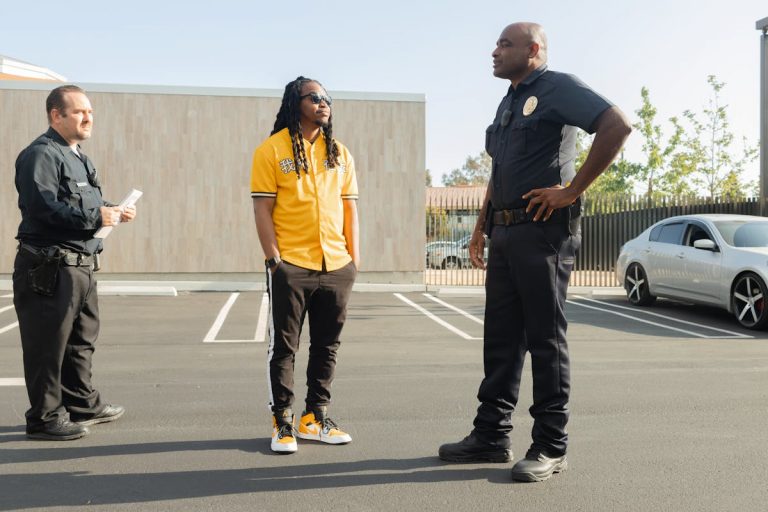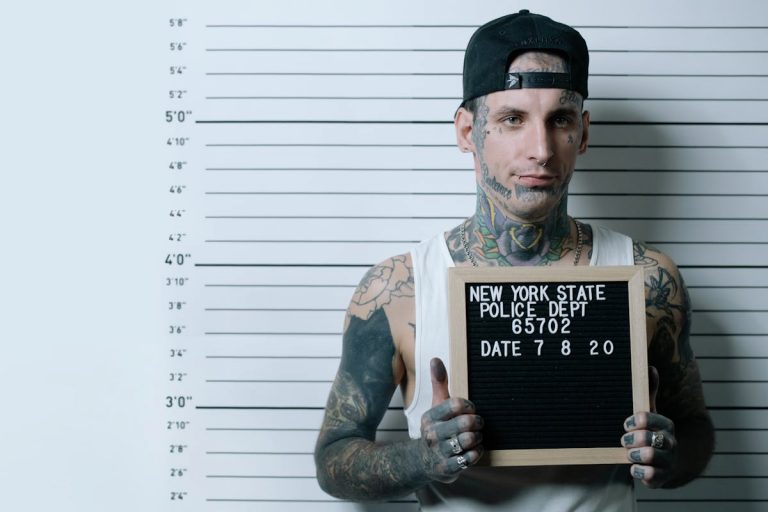
As citizens, the right to express dissent through protests is safeguarded by the First Amendment. However, the question arises: Can one be arrested during such demonstrations? While it may seem contradictory, the answer is indeed ‘yes.’ This is due to various factors such as local laws, the nature of the protest, and perceived threats to public safety. It’s important to explore these dynamics further and understand the intricacies of our legal system and First Amendment rights in the context of protests.
Understanding Your First Amendment Rights
How well do you understand your First Amendment rights? The First Amendment of the United States Constitution protects several fundamental civil rights, including the freedom of expression. This right is essential to the democratic ideals of the nation, allowing individuals to voice their opinions, concerns, and ideas without government interference. However, it’s important to understand that this freedom is not absolute. There are specific circumstances, such as when words incite violence or cause a significant disruption of public order, where the right may be lawfully curtailed. Understanding the balance and boundaries of this right is vital to fully exercising your civil rights, particularly during protests and demonstrations. Therefore, it’s important to learn the legal intricacies of these rights to guarantee their lawful and effective use.
What Constitutes a Peaceful Protest?
The delineation of a peaceful protest, in legal terms, requires careful examination. This includes an understanding of the individual rights protesters have during such demonstrations, as well as the potential violations that could lead to legal ramifications. It is essential to navigate this intricately intertwined matrix of rights, responsibilities, and potential consequences to fully comprehend what constitutes a peaceful protest.
Defining Peaceful Protests
Understanding the parameters of a peaceful protest is essential in delineating the distinction between legal expression of dissent and unlawful disturbance. A peaceful protest, also referred to as a peaceful assembly, is characterized by nonviolent demonstrations aimed at expressing discontent or advocating for change. It is an exercise of individuals’ fundamental rights of freedom of speech and assembly. Such protests are typically organized, with participants maintaining a non-aggressive demeanor, refraining from inciting violence or causing damage to public or private property. The cornerstone of a peaceful protest is respect for law and order. Distinguishing features include peaceful dissent expressed through speeches, signs, or symbolic acts, without resort to physical force or intimidation tactics. Violation of these parameters could transform a legal protest into an unlawful assembly.
Legal Rights During Protests
While it is essential to understand the parameters of a peaceful protest, it is equally critical to be aware of one’s legal rights during such demonstrations. The Constitution protects the right to peacefully assemble, a fundamental aspect of protest rights. This includes the right to express views and grievances, however unpopular. It is crucial to reflect that these rights are not absolute and may be subject to certain restrictions for public safety. Legal aid can provide guidance on the nuances of these limitations. Protest rights also encompass protection from unwarranted searches and seizures, and the right to remain silent if arrested. It is of utmost importance to exercise these rights respectfully and knowledgeably to avoid potential legal repercussions.
Potential Violations and Consequences
Moving from one’s rights during protests, it’s important to discuss potential violations and their consequences, as well as what precisely constitutes a peaceful protest. A peaceful protest, by legal considerations, implies non-violent strategies, respect for public order, and compliance with local regulations. On the other hand, potential violations can include damage to public or private property, physical assault, or non-compliance with lawful orders from authorities. Consequences may range from arrests and fines to criminal charges, depending on the severity of the violation. Hence, while planning protest strategies, it’s essential to understand the legal boundaries and potential repercussions. This comprehension not only guarantees the demonstration’s legality but also safeguards the rights of protesters.
Common Reasons for Arrest During Protests
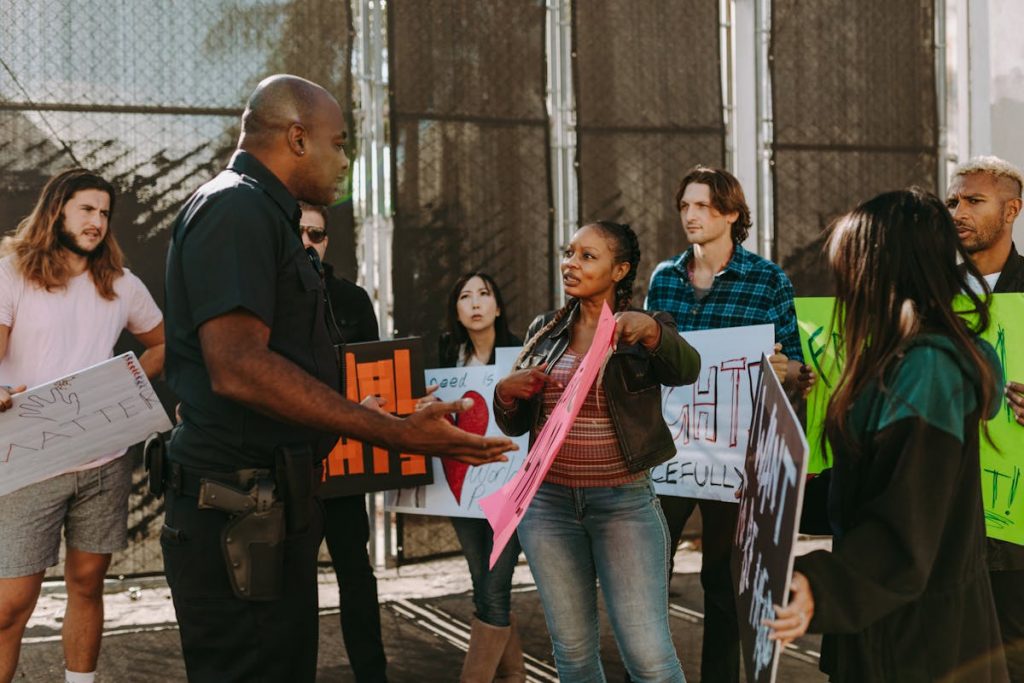
To further understand the legal implications associated with protesting, it is necessary to contemplate the common reasons for arrest during such events. Two primary factors to contemplate are arrests due to unlawful assembly and the consequences associated with civil disobedience. Through an examination of these elements, a clearer picture of the potential legal risks of participating in protests can be established.
Unlawful Assembly Arrests
Despite the constitutional right to peaceful protest, individuals can often find themselves subject to arrest during such events due to allegations of unlawful assembly. Unlawful assembly occurs when three or more persons gather with an intent to commit a crime or carry out a lawful or unlawful purpose in a manner likely to breach the peace. While the law supports the right to protest, these rights can be curtailed when a protest is deemed to have crossed into unlawful assembly. Understanding the fine line between the exercise of protest rights and crossing into unlawful assembly is of critical importance for every protestor. Hence, regardless of the intent, protestors must be mindful of actions that may lead to their arrest on the grounds of unlawful assembly.
Civil Disobedience Consequences
What are the most common reasons for arrest during protests? The answer lies largely in the domain of civil disobedience consequences. Protesters can face arrest for numerous reasons, which often hinge on violation of certain civil rights, such as trespassing, disorderly conduct, or unlawful assembly. While the constitutional right to peaceful protest is protected, authorities may intervene if they perceive a threat to public order or safety. Legal defenses for protesters can vary widely, depending on the specific charges and circumstances. Understanding these potential consequences can help individuals navigate the complex landscape of civil disobedience, ensuring they are informed of their rights and potential legal repercussions.
Legal Distinction Between Protesting and Rioting
While the right to protest peacefully is protected under the First Amendment of the United States Constitution, it is essential to note a clear legal distinction between protesting and rioting. Protesting refers to the organized public demonstration expressing dissent towards an idea or cause. Its tactics usually involve marches, picketing, and non-violent direct actions. However, rioting is legally defined as a violent disturbance of the peace by a crowd. This involves acts of vandalism, looting, arson, and physical assault. Consequently, while peaceful protesting is a constitutionally protected act, rioting is a criminal offense. Understanding these definitions and the line between the two is vital for anyone engaging in civil demonstrations.
Arrest Consequences: What to Expect
Moving from the domain of definitions into concrete legal consequences, it’s important for those participating in demonstrations to know what to expect if they are arrested. When arrested, you will have an arrest record created, which could impact future employment and other areas of life depending on the severity of the charge. It is essential to secure legal representation as soon as possible to navigate the complexities of the legal system. The severity of consequences can range from fines to imprisonment, depending on the charges and jurisdiction. However, the exact nature and extent of these penalties vary widely and depend on numerous factors, including whether the arrestee has prior convictions. Proactively understanding these potential outcomes can help individuals make informed decisions.
Key Tips to Stay Within Legal Boundaries
In order to participate in protests without crossing into unlawful territory, it is vital to understand the legal boundaries and adhere to them strictly. Familiarize yourself with local laws and ordinances regarding public assembly, use of public spaces, and curfew times. Protest strategies should always respect these laws to avoid potential legal implications. Utilizing legal resources, such as consulting with a lawyer or educating oneself about protest rights, can help guarantee that your actions remain within lawful parameters. Avoid engaging in physical confrontations or property damage, as these actions are typically considered unlawful. Remember, even peaceful protests can result in arrests if laws are broken. As a result, understanding and abiding by the law is fundamental to protest legally and effectively.
Engaging Legal Support Post-Arrest
Despite best efforts to adhere to legal boundaries during a protest, it is possible to find oneself under arrest. In such situations, engaging legal support becomes essential. The first step post arrest procedures dictate is securing legal representation. This act guarantees that one’s rights are upheld and that the legal proceedings that follow are fair and just. Legal representation does not simply involve hiring a lawyer, but also includes understanding your rights, the charges against you, and possible defense strategies. A lawyer can also provide guidance on how to behave during interrogations and court appearances. It is important to remember that any statement made post-arrest may be used in court. As a result, legal representation is a safeguard to guarantee your words are not used against you.
Case Studies: Arrests at Recent Protests
How often have recent protests resulted in arrests, and what are the legal outcomes of such occurrences? A review of recent arrests during protests reveals a mixed bag of outcomes. For instance, in the 2020 racial justice protests across the U.S, thousands were arrested, but most charges were later dropped, reduced, or not filed. Conversely, in Hong Kong’s pro-democracy protests, arrests often led to substantial legal repercussions. It’s essential to recognize that the legal outcomes largely depend on the nature of the offense, local laws, and political climate. A commonality, however, is the chilling effect these arrests have on the exercise of free speech rights, suggesting the need for a delicate balance between law enforcement and the protection of civil liberties.
Frequently Asked Questions
Are There Restrictions on Protest Locations?
Yes, there are restrictions on protest locations. While public spaces are generally permissible, protests on private property without consent can be illegal. Local laws may also restrict protests in certain public spaces for safety reasons.
Can Minors Participate in Protests?
Yes, minors can participate in protests. However, legal protections vary by jurisdiction. Generally, minors require parental consent to participate. It’s advisable to consult local laws and regulations to guarantee full understanding of potential legal implications.
What Is the Role of Police During Protests?
The primary role of police during protests involves maintaining public safety and order. This is executed through specific police tactics and strategies for protest management, which include crowd control, traffic management, and enforcement of laws.
Can I Be Fired From My Job for Protesting?
Yes, it is possible to be terminated for participating in protests. Job security can be affected based on workplace policies, which may deem such actions as misconduct. Always consult your employer’s guidelines beforehand to avoid potential issues.
How Does Protesting Affect Immigration Status?
Protesting can potentially impact immigration status, as certain protest consequences may violate immigration rules. However, lawfully executed protests should not interfere with immigration rights. It’s recommended to consult with a legal expert before participating.