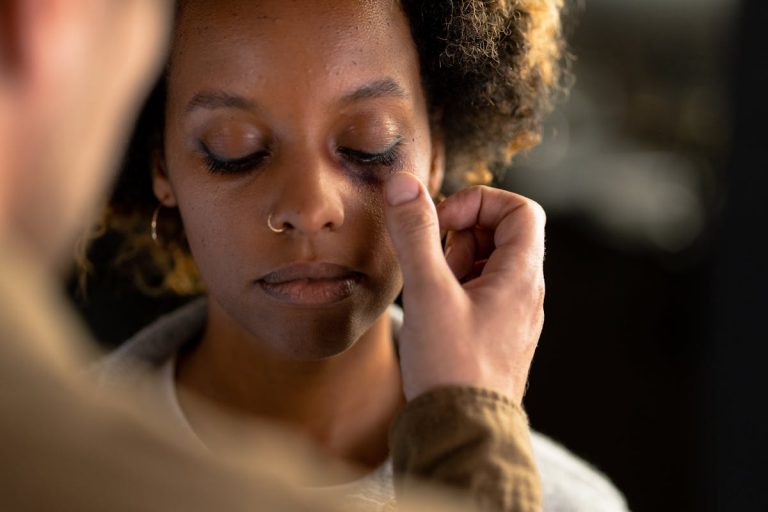
Evidence is crucial in domestic violence cases because it helps prove the survivor’s claims. This evidence can include police reports, medical records, and digital communications. Each type of evidence helps build a clear picture of the abuse. However, collecting and presenting this evidence can be tricky and needs careful handling.
Understanding the role of evidence means recognizing its importance in legal settings. Evidence supports the survivor’s story, which is key for legal actions and protection. By gathering strong evidence, survivors can better navigate the justice system. Overcoming challenges in this process is vital for achieving justice and accountability.
Understanding the Importance of Evidence in Domestic Violence Cases
Why Evidence Matters in Domestic Violence Cases
Evidence is crucial in domestic violence cases because it helps ensure justice. It provides the proof needed to make fair legal decisions. For survivors, having evidence that supports their stories can be empowering and aid in healing. Evidence also helps community organizations provide better support and resources to those affected. By showing how common and serious domestic violence is, evidence encourages community awareness and prevention efforts. Handling and presenting evidence carefully is essential to effectively address the complex issues that come with domestic violence.
Types of Evidence Commonly Used in Domestic Violence Cases
Domestic violence cases rely on different types of evidence to understand and resolve the situation. Financial records can show control or abuse by highlighting unusual spending, drained funds, or financial restrictions placed by an abuser. This type of evidence supports claims of economic abuse, which, though less visible, is very impactful.
Witness interviews are also crucial. Neighbors, family, or friends might have seen or heard arguments or noticed injuries, providing independent observations. Together, financial evidence and witness accounts give a fuller picture, helping to better understand and address domestic violence cases.
The Role of Police Reports and Medical Records
Police reports and medical records are vital in handling domestic violence cases. They help clarify what happened and support legal actions.
- Police Reports: These documents record what officers see, what victims say, and what the scene looks like. They mean capturing the situation accurately.
- Medical Records: These show the injuries and treatments given. They help confirm the physical evidence with professional opinions.
- Evidence Documentation: It results in a consistent story for court cases.
- Police Discretion: Officers’ choices in what to include can affect case results.
These records are essential, forming the basis for legal arguments.
Eyewitness Testimony and Its Impact
Eyewitness testimony in domestic violence cases is both important and complex. It can greatly influence legal decisions because it often includes powerful, emotional accounts of what happened. However, these testimonies can be tricky. Factors like stress, personal bias, or connections to those involved might affect how accurate the testimony is. Courts need to be careful, as memories can be unreliable and influenced by outside factors. Therefore, while eyewitness testimony provides useful insights, it must be carefully checked and supported by other evidence. Balancing empathy with thorough analysis is key to ensuring fair justice.
Digital Evidence: Texts, Emails, and Social Media
Digital evidence, like texts, emails, and social media, is crucial in domestic violence cases. It provides proof of abuse or harassment, but verifying this evidence can sometimes be tricky and affect legal outcomes. Balancing the need for evidence with respecting privacy rights is an ongoing challenge.
To make sense of digital evidence, it’s important to understand how it can support a case. Text messages can show patterns of behavior, emails might reveal threats, and social media posts can highlight abusive actions. However, ensuring this evidence is genuine and maintaining privacy are key concerns in legal settings.
Importance of Digital Evidence
Digital evidence is crucial in domestic violence cases. It helps verify claims and clarifies the relationship between the parties involved. Texts, emails, and social media can show abuse patterns, manipulation, or control. Keeping this data safe is vital, so digital footprints are preserved for investigations.
- Text messages: Show how often and in what tone people communicate.
- Emails: Often contain threats or controlling language.
- Social media posts: Can reveal public interactions and emotional abuse.
- Metadata: Offers timestamps and location details.
Properly preserved, this evidence backs up claims and aids in seeking justice.
Authentication Challenges
Ensuring the authenticity of digital evidence in domestic violence cases is crucial. Digital evidence, such as texts, emails, and social media posts, can be easily altered. Courts need to trust that this evidence is genuine and hasn’t been tampered with. This means following strict protocols to preserve evidence and maintain a clear chain of custody. The large amount of digital data can make verifying authenticity tricky. Without proper authentication, the reliability of digital evidence can suffer, affecting justice in these cases. Legal professionals need to skillfully handle these challenges to ensure fair outcomes.
Privacy and Legal Implications
Understanding digital evidence in domestic violence cases involves privacy and legal concerns. Here’s what you need to know:
- Consent and Access: It’s important to check whether everyone involved actually agreed to share their digital messages. Without consent, accessing communications can lead to legal trouble.
- Keeping Information Private: Sensitive information must be protected during court cases to prevent unauthorized leaks. This ensures victims’ privacy is respected.
- How Long Data Lasts: Knowing how long digital evidence is kept can impact investigations. Evidence needs to be available for as long as necessary for the case.
- Using Digital Evidence in Court: There are specific rules about what digital messages can be used in court. Texts, emails, and social media posts need to meet certain standards.
These points help legal experts ensure justice is done while respecting privacy rights.
Challenges in Gathering and Presenting Evidence
Collecting and presenting evidence in domestic violence cases can be tough. Victims may struggle to give consistent statements due to fear or trauma. Finding physical proof is challenging because abuse often happens in private. Witnesses are hard to find since incidents usually occur behind closed doors. This makes gathering evidence difficult.
Victims often fear retaliation, which affects their ability to testify. Trauma can also cause memory issues, leading to inconsistent accounts. Plus, abusers might manipulate or threaten victims to keep them silent.
Since abuse happens at home, collecting physical evidence like photos or medical reports can be tough. Many times, there are no witnesses to back up the victim’s story. This makes it harder to prove what happened.
Evidence Collection Obstacles
Collecting evidence in domestic violence cases is challenging, affecting the pursuit of justice. Here’s why:
- Medical Evidence Delays: Victims might not seek medical help right away due to fear or financial reasons. This delay can result in less physical evidence.
- Restricted Crime Scene Access: Since these incidents often happen at home, gathering evidence can be tough if access is limited.
- Quick Evidence Decay: Physical evidence needs to be collected fast, or it might not hold up in court later.
- Witness Hesitation: Neighbors or family may not want to testify, fearing consequences.
These challenges make it hard to gather and keep evidence, which is crucial for convicting offenders and supporting victims’ rights.
Victim Testimony Challenges
Victim Testimony in Domestic Violence Cases
Victim testimony is crucial in domestic violence cases, but it can be complicated. Victims often face skepticism about their stories, which can result in disbelief. This doubt is worsened when victims withdraw their statements because of fear, pressure, or emotional bonds with the abuser. Such retractions can make their stories seem unreliable and complicate legal actions. Intimidation and pressure not to testify can also be issues. To support victims, it’s important to create a safe environment where they feel empowered to share their experiences truthfully and consistently.
Corroborating Witness Issues
Gathering and presenting corroborating evidence in domestic violence cases can be tough. The main challenge is that corroborating witnesses might face credibility issues. They could be scared of backlash or have personal biases that affect their stories. Also, their accounts might not match up, making it hard to paint a clear picture. Since these incidents often happen in private, there are usually fewer witnesses around.
Here’s why corroborating witness credibility can be tricky:
- Fear of backlash can make witnesses hesitant to speak up.
- Personal biases might color their stories.
- Different stories from witnesses can make it hard to find the truth.
- Private settings mean fewer witnesses.
These challenges need careful handling to ensure justice is done.
Overcoming Fear and Retaliation Concerns
Many survivors of domestic violence face challenges when dealing with fear and the threat of retaliation. This often affects their ability to seek justice. Overcoming financial barriers is key since many individuals feel trapped in abusive relationships due to economic dependence. Access to resources like legal aid and shelters can help survivors report abuse safely and provide evidence without financial worries.
Cultural stigmas can also prevent people from speaking up, especially in communities where domestic violence is viewed as a private issue. Education and community support can help break these stigmas, creating a safe space for survivors to come forward. By addressing financial and cultural barriers, survivors can find the courage to overcome their fears and pursue justice.
Legal Strategies for Effective Evidence Presentation
To present evidence effectively in legal cases, it’s crucial to use strategies that clearly convey the facts. Here are some simple steps to make your evidence persuasive:
- Keep Good Records: Write down details like dates and what witnesses saw. This helps keep the story accurate.
- Work Together: Team up with social workers and doctors to get a full picture. Their insights can make your evidence stronger.
- Use Technology: Show evidence with charts or videos to make it easier to understand.
- Tell a Clear Story: Make sure your story matches the evidence so it’s easy to follow and believe.
These steps can turn your facts into a convincing case that stands out in court.
The Influence of Evidence on Victim Protection and Case Outcomes
Evidence Is Key in Domestic Violence Cases
In domestic violence situations, having strong evidence is crucial for protecting victims and ensuring fair case outcomes. When evidence like medical reports and witness statements is clear and detailed, it helps secure protective orders and supports legal action against offenders. This process is easier when victims receive legal advice and emotional support, which helps in gathering necessary evidence. Good evidence means the legal system can better protect and provide justice for victims. So, focusing on collecting detailed evidence with the victim’s safety in mind is essential for resolving cases successfully and keeping survivors safe.
Frequently Asked Questions
How Can Victims Ensure Their Safety While Gathering Evidence?
Victims can stay safe while gathering evidence by being discreet and storing information securely. Using digital tools to save documents and ensuring devices are password-protected helps keep sensitive information private. This prevents abusers from tampering with or destroying critical evidence.
Keep a record of incidents in a safe place, either online or in a hidden physical location. Use secure apps or cloud services with strong passwords to keep everything confidential. This approach helps maintain a victim’s safety while ensuring they have the evidence they need.
What Support Is Available for Victims Reluctant to Testify?
Victims who are hesitant to testify can find help through confidential counseling and support groups. These resources offer emotional support and practical advice to help navigate the legal system. The goal is to empower victims to make informed choices while keeping their emotional and physical safety a priority.
Support services are designed to be safe spaces where victims can share their experiences without fear. Counselors and group members provide reassurance and strategies, helping victims feel more in control of their decisions. This support system makes facing the legal process less daunting and more manageable.
How Do Cultural Factors Affect Evidence Presentation?
Cultural factors can significantly affect how evidence is presented in legal settings. Language differences and cultural biases can cause misunderstandings, alter testimonies, and even question the reliability of evidence. To ensure fairness and accuracy, it’s crucial to be aware of these issues.
For instance, if a witness speaks a different language, the translation might miss subtle meanings or emotions, leading to confusion. Similarly, cultural differences can influence how people interpret behaviors or expressions, which might not be understood the same way in a courtroom.
To address these challenges, legal proceedings should involve skilled interpreters and cultural experts. This helps ensure that testimonies are accurately conveyed and understood. By considering cultural factors, we can improve the clarity and credibility of evidence, making legal processes fairer for everyone involved.
Can Evidence Be Used in Civil Cases for Protective Orders?
Yes, evidence is crucial in civil cases to support protective order claims. By showing a pattern of abuse, evidence like documented incidents and witness statements can help prove the need for legal protection and back up the victim’s experiences.
To support a protective order, gather evidence such as photos, texts, emails, or police reports. These materials show the severity and frequency of abuse, making a stronger case for protection. Witnesses who have seen or heard abusive behavior can also provide statements to support your claim.
This evidence is key in convincing the court that a protective order is necessary to ensure your safety.
What Role Do Expert Witnesses Play in Domestic Violence Cases?
Expert witnesses play a crucial role in domestic violence cases by offering clear evaluations and detailed assessments. Their insights help the court understand the complex dynamics of these situations, providing essential context for informed decisions and better victim protection.
Expert witnesses in domestic violence cases analyze relationships, behaviors, and patterns to explain how abuse occurs. Their expertise guides judges and juries in recognizing signs of abuse and understanding the impact on victims. This knowledge is vital for ensuring justice and creating safer outcomes for those affected by domestic violence.