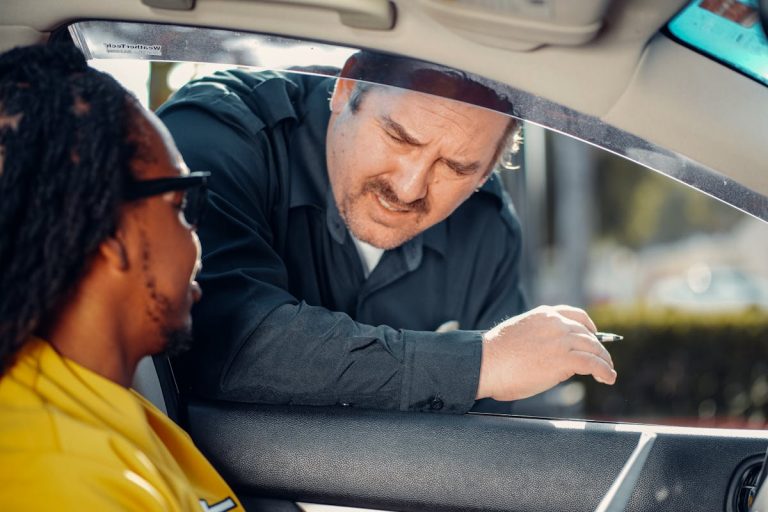
DUI checkpoints represent one of law enforcement’s most visible tools for combating impaired driving, and Arizona has established itself as a state with particularly active checkpoint programs. These temporary roadblocks, where officers systematically stop vehicles to check for signs of impairment, operate under specific legal frameworks that balance public safety concerns with constitutional protections.
Arizona law enforcement agencies conduct DUI checkpoints regularly throughout the state, with locations and timing determined by factors including accident data, DUI arrest statistics, and high-traffic periods. Understanding how these checkpoints operate, where they’re typically located, and what rights drivers maintain during these encounters provides essential knowledge for anyone traveling Arizona’s roadways.
The state’s approach to DUI enforcement through checkpoints reflects broader national strategies while incorporating specific procedural requirements mandated by Arizona courts and legislation. These operations affect thousands of drivers each year and generate significant discussion about their effectiveness, legality, and impact on civil liberties.
Legal Framework for DUI Checkpoints in Arizona
DUI checkpoints in Arizona operate under legal authority established through both federal constitutional interpretation and state-specific regulations. The U.S. Supreme Court’s 1990 decision in Michigan Department of State Police v. Sitz established that properly conducted sobriety checkpoints do not violate the Fourth Amendment’s protection against unreasonable searches and seizures.

Arizona has embraced this legal framework while implementing additional procedural safeguards. State law requires that checkpoints follow specific protocols to maintain constitutional validity. These include advance public notification, neutral mathematical formulas for vehicle selection (such as stopping every third or fifth vehicle), proper signage and lighting, and supervisory oversight by ranking officers.
The Arizona Court of Appeals has reinforced these requirements through various decisions, emphasizing that checkpoints must serve a legitimate public safety purpose rather than general law enforcement fishing expeditions. Courts have consistently ruled that properly administered checkpoints represent a minimal intrusion justified by the state’s compelling interest in preventing drunk driving deaths and injuries.
Arizona Revised Statutes provide the statutory authority for these operations, while departmental policies within individual law enforcement agencies establish specific operational procedures. The state’s DUI laws, among the strictest in the nation, create a legal environment where checkpoint programs receive strong judicial and legislative support as essential public safety tools.
Current DUI Checkpoint Locations Across Arizona
Arizona law enforcement agencies conduct DUI checkpoints throughout the state, with frequency and locations varying significantly between jurisdictions. The Arizona Department of Public Safety coordinates statewide checkpoint activities, while county sheriff’s offices and municipal police departments operate their own programs within their respective jurisdictions.
Phoenix and the surrounding metropolitan area see the highest concentration of checkpoint activity, reflecting both population density and traffic volume. Common locations include major arterial roads, areas near entertainment districts, and corridors with documented DUI incident patterns. Scottsdale, Tempe, Mesa, and Glendale maintain active checkpoint programs, often coordinating timing with special events or holiday periods.
Tucson represents the second major checkpoint hub in Arizona, with Pima County Sheriff’s Office and Tucson Police Department conducting regular operations. Southern Arizona checkpoints often focus on routes near the Mexican border and major highway corridors including Interstate 10 and Interstate 19.
Northern Arizona communities including Flagstaff and Sedona conduct periodic checkpoints, typically during tourist seasons and major events. These operations often target routes frequented by visitors and during periods of increased recreational activity.
The timing of checkpoint operations varies strategically, with most occurring during evening and overnight hours when impaired driving incidents peak. Holiday weekends, major sporting events, and summer months typically see increased checkpoint frequency across all Arizona jurisdictions.
Popular Checkpoint Corridors
Major highways and arterial roads throughout Arizona host regular checkpoint activity. Interstate 10, the primary east-west corridor, sees frequent checkpoint operations particularly near metropolitan areas. State Route 51, Loop 101, and Interstate 17 represent other high-activity checkpoint corridors in the Phoenix area.
In Tucson, major checkpoints commonly appear on Oracle Road, Speedway Boulevard, and along Interstate 10. Rural areas may see checkpoints on highways leading to popular recreational destinations or along routes with documented DUI problem areas.
Law enforcement agencies typically select checkpoint locations based on crash data, previous DUI arrest patterns, and traffic engineering studies. Locations must provide adequate safety for officers and motorists while allowing proper vehicle queuing and processing.
How Arizona DUI Checkpoints Operate
Arizona DUI checkpoints follow standardized operational procedures designed to maintain legal compliance while maximizing public safety effectiveness. Operations typically begin with advance planning sessions where supervisors select locations, determine vehicle selection criteria, and establish safety protocols.
Setup procedures require proper signage, lighting, and traffic control measures to alert approaching drivers and ensure officer safety. Warning signs must provide adequate advance notice, allowing drivers to legally change course before reaching the checkpoint. Officers position themselves to create a safe processing area while maintaining clear visibility of the checkpoint operation.
Vehicle selection follows predetermined neutral criteria established before the checkpoint begins. Common formulas include stopping every third, fifth, or tenth vehicle, ensuring that officer discretion doesn’t influence which vehicles undergo screening. This mathematical approach protects against claims of discriminatory enforcement while maintaining operational efficiency.
Initial contact involves officers approaching selected vehicles to observe signs of impairment, check driver licenses, and conduct brief questioning about alcohol or drug consumption. Officers look for physical indicators including bloodshot eyes, alcohol odor, slurred speech, and coordination problems during this preliminary screening.
Drivers showing potential impairment undergo secondary screening in a designated area away from traffic flow. This additional evaluation may include field sobriety tests, preliminary breath testing, and more detailed questioning about recent alcohol or drug use.
Processing Procedures and Documentation
Each checkpoint interaction generates documentation recording the contact, observations, and any enforcement actions taken. Officers maintain logs tracking total vehicles processed, citations issued, arrests made, and other relevant statistics for post-operation analysis.
Non-impaired drivers typically experience brief delays of one to three minutes for basic screening. The process involves license verification, brief questioning, and visual observation before officers wave drivers through the checkpoint.
Impaired drivers face arrest procedures including standardized field sobriety testing, chemical testing, and transportation to detention facilities. These arrests follow standard DUI protocols identical to those used in other traffic stop situations.
Finding Current Checkpoint Information
Arizona law enforcement agencies provide various methods for citizens to learn about upcoming checkpoint locations and timing. State law requires advance public notification, though the specific timing and detail of these announcements varies between jurisdictions.
The Arizona Department of Public Safety maintains information about statewide checkpoint activities through press releases and social media channels. Individual police departments and sheriff’s offices typically announce checkpoints through local media outlets, department websites, and social media platforms.
Local news organizations regularly report checkpoint information as part of their public safety coverage. Television stations, newspapers, and radio stations often publish checkpoint locations and timing, particularly during holiday periods when checkpoint activity increases.
Social media platforms including Facebook, Twitter, and Instagram serve as primary channels for real-time checkpoint information. Many departments post checkpoint notifications 24-48 hours in advance, providing general location areas rather than specific addresses for security and operational reasons.
Mobile applications and websites aggregate checkpoint information from multiple sources, though users should verify information through official channels. Some applications allow user reporting of checkpoint locations, creating crowdsourced databases of current activity.
Official Notification Requirements
Arizona law requires that checkpoint locations receive adequate advance publicity through appropriate media channels. This requirement ensures that checkpoints serve their stated public safety purpose rather than functioning as revenue-generating traffic enforcement operations.
Departments typically satisfy notification requirements through press releases distributed to local media outlets. These announcements generally provide location areas, date ranges, and general timing without revealing exact addresses or specific hours that might compromise operational security.
The advance notification requirement reflects constitutional balance between law enforcement needs and citizen rights. Courts have ruled that secret checkpoints violate due process protections and fail to serve the deterrent effect that justifies their minimal constitutional intrusion.
Your Rights During DUI Checkpoint Stops
Arizona drivers maintain specific constitutional rights during DUI checkpoint encounters, though these rights operate within the context of a lawful administrative stop. Understanding these protections helps ensure proper treatment while avoiding unnecessary legal complications.
The right to remain silent protects drivers from self-incrimination during checkpoint encounters. While officers may ask basic questions about alcohol consumption or recent activities, drivers can decline to answer without legal penalty. However, practical cooperation often expedites the process and reduces encounter duration.
Drivers must provide valid identification when requested during checkpoint stops. Arizona law requires licensed drivers to carry valid licenses and present them upon request during lawful traffic stops, including checkpoint operations.
The right to refuse voluntary field sobriety tests exists during checkpoint encounters, though refusal may result in arrest if officers have developed reasonable suspicion of impairment through other observations. Arizona’s implied consent laws create consequences for refusing chemical testing after arrest.
Vehicle searches require either consent, probable cause, or other specific legal justification beyond the checkpoint stop itself. The administrative nature of checkpoint stops doesn’t automatically authorize vehicle searches without additional evidence of criminal activity.
Avoiding Checkpoints Legally
Arizona drivers can legally avoid DUI checkpoints by changing routes before reaching the checkpoint location. Turning around or taking alternate routes becomes illegal only when drivers violate traffic laws in the process or after passing the point where checkpoint participation becomes mandatory.
Officers cannot stop vehicles solely for avoiding checkpoints through legal route changes. However, any traffic violations committed while avoiding checkpoints provide independent justification for traffic stops and subsequent DUI investigation.
The key legal distinction involves timing and manner of avoidance. Drivers who turn around or change routes before reaching checkpoint commitment points exercise legal rights, while those who attempt avoidance after entering checkpoint operations may face additional charges.
DUI Checkpoint Effectiveness and Statistics
Arizona DUI checkpoint programs generate substantial annual statistics reflecting their scope and impact on impaired driving enforcement. Statewide operations typically result in thousands of vehicle contacts, hundreds of DUI arrests, and numerous other traffic citations each year.
Effectiveness measurements include arrest rates, deterrent effects on impaired driving incidents, and cost-benefit analyses comparing checkpoint operations to other enforcement strategies. Studies consistently show that well-publicized checkpoint programs reduce DUI incidents in targeted areas beyond the immediate enforcement period.
Arizona Department of Public Safety data indicates that checkpoint operations typically yield DUI arrest rates between 1-3% of vehicles processed, varying based on location, timing, and demographic factors. These rates compare favorably with other states conducting similar programs.
The deterrent effect extends beyond immediate checkpoint operations through media coverage and public awareness campaigns. Research suggests that regular checkpoint programs create general deterrent effects as potential impaired drivers modify behavior to avoid detection.
Cost analysis reveals that checkpoint operations require significant resources but generate arrests and deterrent effects that traditional patrol methods might not achieve. The concentrated enforcement approach allows agencies to process large numbers of vehicles efficiently while maintaining high visibility deterrent effects.
Comparative Analysis with Other States
Arizona’s checkpoint program operates within a national context where approximately 38 states conduct similar operations. States including California, Florida, and New York maintain extensive checkpoint programs, while others including Texas, Wisconsin, and Michigan prohibit or severely restrict such operations.
Arizona’s legal framework and operational procedures align closely with national best practices established through federal guidance and court decisions. The state’s approach emphasizes advance publicity, neutral vehicle selection, and minimal intrusion consistent with constitutional requirements.
Arrest statistics from Arizona checkpoints compare favorably with other active checkpoint states, suggesting effective targeting and operational procedures. The state’s strict DUI laws create an environment where checkpoint deterrent effects may be enhanced compared to states with more lenient penalties.
Tucson-Specific DUI Checkpoint Information
Tucson maintains one of Arizona’s most active municipal DUI checkpoint programs, with operations conducted jointly between Tucson Police Department and Pima County Sheriff’s Office. The city’s checkpoint strategy focuses on high-incident corridors and timing that targets peak impaired driving periods.
Popular Tucson checkpoint locations include major arterial roads such as Oracle Road, Speedway Boulevard, Grant Road, and sections of Interstate 10 within city limits. University area checkpoints often coincide with academic calendar events and seasonal celebrations that traditionally see increased alcohol consumption.
Tucson’s checkpoint operations typically occur during evening and overnight hours, particularly on weekends and holidays. The city coordinates checkpoint timing with special events including University of Arizona sporting events, downtown festivals, and holiday celebrations.
The department provides advance notification through local media partnerships, social media channels, and community outreach programs. These announcements typically provide general location areas and timing windows while maintaining operational security requirements.
Tucson checkpoint statistics reflect the city’s commitment to impaired driving enforcement, with regular operations generating hundreds of contacts and dozens of arrests annually. The program’s effectiveness receives support from local advocacy groups and traffic safety organizations.
Surrounding Area Coverage
Pima County Sheriff’s Office extends checkpoint coverage throughout unincorporated areas surrounding Tucson, including popular recreational destinations and major highway corridors. These operations often target routes leading to Mount Lemmon, Saguaro National Park, and other recreational areas where impaired driving incidents occur.
Coordinated operations between Tucson Police and Pima County Sheriff’s Office create comprehensive coverage during major events and holiday periods. This coordination prevents impaired drivers from simply avoiding municipal jurisdictions while maintaining enforcement pressure across the metropolitan area.
Understanding Arizona DUI Laws at Checkpoints
Arizona’s DUI statutes apply identically at checkpoint stops and traditional traffic stops, with identical penalties and procedures governing impaired driving arrests. The state maintains some of the nation’s strictest DUI laws, including mandatory jail time for first offenses and extended license suspension periods.
Arizona operates under two primary DUI standards: impairment to the slightest degree and per se violations based on blood alcohol concentration. Checkpoint arrests can result from either standard, with officers trained to recognize impairment signs regardless of specific BAC levels.
The state’s implied consent law requires drivers to submit to chemical testing when arrested for DUI, including arrests originating from checkpoint stops. Refusal to submit to testing results in automatic license suspension independent of any criminal penalties.
Arizona’s extreme DUI law creates enhanced penalties for BAC levels of 0.15% or higher, with mandatory jail time, fines, and ignition interlock requirements. These penalties apply regardless of whether arrests occur at checkpoints or through other enforcement methods.
Checkpoint arrests initiate identical legal processes as other DUI arrests, including arraignment, plea negotiations, and potential trial proceedings. The administrative nature of the initial stop doesn’t affect subsequent criminal prosecution procedures.
Administrative License Suspension
Arizona’s administrative license suspension process begins automatically following checkpoint DUI arrests, operating independently of criminal court proceedings. This administrative action occurs through the Motor Vehicle Department rather than criminal courts.
Drivers arrested at checkpoints face immediate license confiscation and receive temporary permits allowing continued driving for 15 days. During this period, drivers can request administrative hearings to challenge suspension actions.
The administrative suspension timeline follows standard procedures regardless of arrest location, with suspension lengths varying based on prior DUI history and chemical test results. First-time offenders typically face 90-day suspensions, while repeat offenders face extended suspension periods.
Checkpoint Safety and Public Health Impact
Arizona DUI checkpoints serve broader public health objectives beyond individual enforcement actions, contributing to overall traffic safety improvements and impaired driving deterrence. These operations address one of the leading causes of preventable traffic fatalities and serious injuries.
Statistical analysis demonstrates that checkpoint programs correlate with reduced DUI incidents in targeted areas, particularly when combined with public awareness campaigns and consistent enforcement schedules. The visible enforcement presence creates deterrent effects that extend beyond immediate checkpoint operations.
Public health benefits include preventing alcohol-related crashes, reducing emergency medical service demands, and supporting broader community safety initiatives. Checkpoints also identify repeat offenders who may require intervention services addressing underlying substance abuse issues.
The economic impact extends beyond law enforcement costs to include healthcare savings, reduced property damage, and decreased insurance costs associated with impaired driving incidents. These broader economic benefits often justify checkpoint program expenses through cost-benefit analysis.
Community support for checkpoint programs generally remains high when operations maintain constitutional compliance and focus on genuine public safety objectives. Transparent communication about program goals and results helps maintain public acceptance of these enforcement strategies.
Integration with Traffic Safety Programs
Arizona checkpoint operations integrate with broader traffic safety initiatives including ignition interlock programs, DUI court systems, and substance abuse treatment referral programs. This comprehensive approach addresses both enforcement and rehabilitation aspects of impaired driving problems.
Educational components accompanying checkpoint programs help raise awareness about impaired driving risks, alternative transportation options, and legal consequences of DUI violations. These educational efforts enhance the deterrent effects of enforcement activities.
Coordination with advocacy groups, victim impact organizations, and substance abuse treatment providers creates comprehensive responses to impaired driving issues. Checkpoints represent one component of multi-faceted approaches addressing this persistent public safety challenge.
Frequently Asked Questions About Arizona DUI Checkpoints
Yes, you can legally avoid a DUI checkpoint by turning around or taking an alternate route, provided you don’t violate any traffic laws in the process and you haven’t yet reached the point where participation becomes mandatory. Officers cannot stop you solely for avoiding a checkpoint through legal means. However, any traffic violations committed while avoiding the checkpoint can provide independent grounds for a traffic stop.
While you have the right to remain silent under the Fifth Amendment, you are required to provide valid identification when requested during a lawful traffic stop, including checkpoints. You can politely decline to answer questions about alcohol consumption or recent activities, though cooperation often makes the encounter shorter. Refusing to provide required identification can result in additional legal complications.
Arizona law requires adequate advance publicity through appropriate media channels, but doesn’t specify exact timing requirements. Most departments provide 24-48 hours notice through press releases, social media, and local news outlets. The notification must be sufficient to serve the checkpoint’s stated public safety purpose and satisfy constitutional requirements for advance warning.
Yes, checkpoint activity typically increases during holiday periods, summer months, and times associated with increased alcohol consumption. New Year’s Eve, Fourth of July, Labor Day, and other major holidays often see enhanced checkpoint operations. Special events like major sporting events or festivals may also trigger increased checkpoint activity in affected areas.
DUI arrests at checkpoints follow identical procedures to other DUI arrests, including field sobriety testing, chemical testing, and booking procedures. You’ll face the same criminal penalties and administrative license suspension as any DUI arrest. The fact that the arrest originated at a checkpoint doesn’t change the legal consequences or court procedures.
Properly conducted DUI checkpoints in Arizona are constitutional under both federal and state law, as established by U.S. Supreme Court precedent and Arizona court decisions. Checkpoints must follow specific procedures including advance publicity, neutral vehicle selection criteria, and proper supervision to maintain constitutional validity. Courts balance the minimal intrusion against the state’s compelling interest in preventing drunk driving deaths and injuries.
Check local police department websites and social media pages, monitor local news outlets, and look for official press releases from law enforcement agencies. The Arizona Department of Public Safety also announces major checkpoint operations. Many departments post checkpoint information on Facebook and Twitter accounts, typically providing general location areas rather than specific addresses for operational security reasons.
Conclusion
Arizona’s DUI checkpoint program represents a significant component of the state’s comprehensive approach to combating impaired driving. Understanding the legal framework, operational procedures, and individual rights associated with these checkpoints provides essential knowledge for anyone traveling Arizona’s roadways. The state’s commitment to advance notification, constitutional compliance, and public safety objectives has created a checkpoint system that balances enforcement needs with civil liberties protections.
The effectiveness of Arizona’s checkpoint programs in reducing impaired driving incidents and saving lives justifies their continued use as a public safety tool. As Arizona continues to refine these operations through improved training, technology integration, and community partnerships, checkpoints will likely remain a permanent feature of the state’s traffic safety landscape. Whether you’re a resident or visitor, awareness of checkpoint operations and your rights during these encounters contributes to both personal legal protection and broader community safety objectives.