
The topic of discharging a firearm within city limits is complex, entangled in a web of numerous local and state regulations, public safety concerns, legal ramifications, and varying societal attitudes towards gun use in populated areas. As we navigate this multifaceted issue, consider how the weight of individual rights balances against the collective security of a community. How do we reconcile the need for personal protection with the potential risk to public safety? Join us as we explore these intricate dynamics further.
Understanding Firearm Discharge Laws
While it is common knowledge that firing a gun within city limits is generally prohibited, it is essential to understand the specific laws and regulations surrounding firearm discharge. These laws are complex and nuanced, and they vary widely from city to city. Some cities, for example, may have exceptions for certain situations, such as self-defense or controlling urban wildlife. Others may have more stringent restrictions. Understanding these laws is vital for ensuring firearm safety and preventing accidental violations. Additionally, it is worth noting that these laws often reflect a careful balance between protecting public safety and respecting the rights of gun owners. Consequently, they are a critical part of any discussion about firearm use in urban areas.
Factors Influencing Urban Gun Laws
Various aspects come into play in shaping urban gun laws, each serving a specific purpose in the overall legislative framework. The unique characteristics of urban culture largely influence these laws. The close-knit living conditions, combined with a diverse population, require stringent regulation of firearms to maintain community safety. The high population density raises the potential for accidental discharges, contributing to stricter laws. Additionally, the prevalence of organized crime and gang violence in some urban areas also affects the stringency of gun laws. The goal is to minimize gun-related crimes and guarantee public safety. Consequently, the urban gun laws are a product of a balance between individual rights to bear arms and the collective responsibility to secure community safety.
Potential Consequences for Violations
Violations of laws pertaining to the discharge of firearms within city limits carry significant consequences. First, we will examine the legal repercussions, which can range from fines to imprisonment. Then we will explore the profound impact such violations can have on the community at large.
Legal Repercussions
Despite the common misconception, discharging a firearm within city limits can lead to severe legal repercussions. These legal consequences can range from hefty fines to incarceration, depending on the severity, intent, and outcomes of the action. Under many jurisdictions, this act is considered a misdemeanor or even a felony, highlighting the seriousness of this violation. It is crucial for citizens to understand that such regulations are not arbitrary but are designed to guarantee urban safety. The potential of harm or disruption to the public, whether intentional or accidental, is substantial. Consequently, the law takes a strict stance against such violations, aiming to deter such behavior and maintain a peaceful, safe environment within city limits.
Community Impact
While it is important to understand the legal implications of discharging a firearm within city limits, the impact it has on the community is equally significant. Shooting incidents can dramatically alter community perception, creating a climate of fear and distrust. Residents may become wary of public spaces, and local businesses can suffer from decreased foot traffic. Parents might feel anxious about their children’s safety, leading to reduced outdoor activities and social interaction. Furthermore, regular shooting incidents can lower property values, as areas perceived as unsafe are less appealing to potential buyers. Consequently, responsible firearm use is not just a legal requirement, but a vital part of maintaining a safe, prosperous, and harmonious community.
Variances in State and Local Regulations
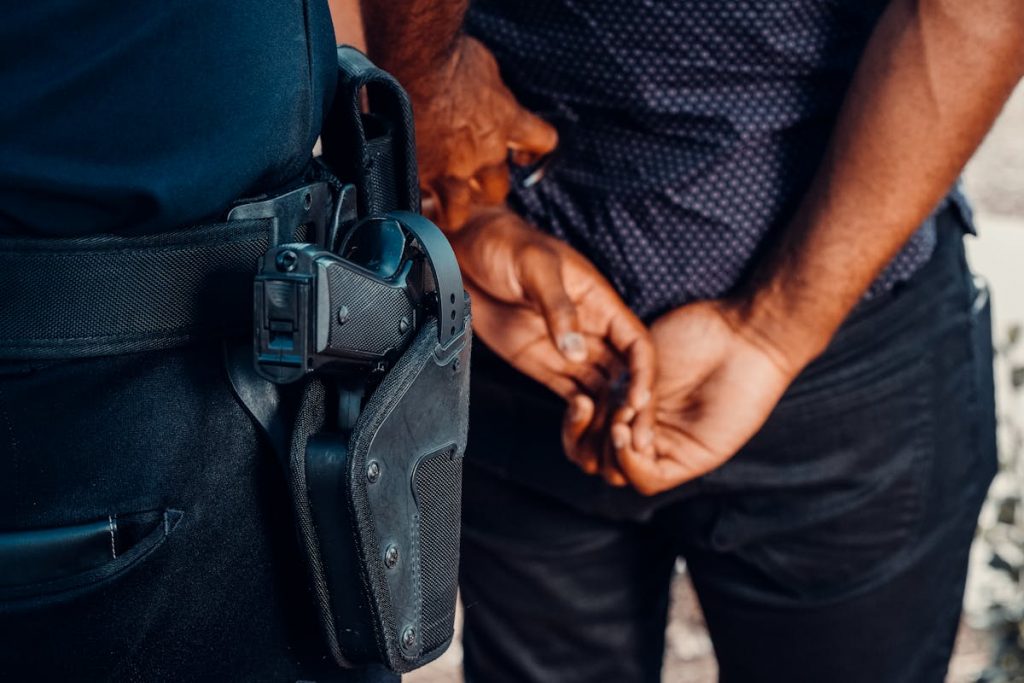
It is of paramount importance to recognize that regulations related to discharging a firearm within city limits can vary markedly between different states and municipalities. Understanding local firearm laws, as well as the distinctions between state and city rules, is essential to ensuring legal compliance. Additionally, being cognizant of the penalties associated with illegal discharge can aid in fostering responsible firearm use.
Understanding Local Firearm Laws
Given the vast range of firearm regulations across various states and localities, it is paramount for gun owners to have an extensive understanding of these laws, particularly those pertaining to discharging a firearm within city limits. The onus of firearm ownership places a considerable emphasis on public awareness and adherence to these rules. Regulations often cover a multitude of aspects, such as the legal age for ownership, requirements for permits, and specifications for safe storage, among others. The implications of not complying can result in severe penalties, legal repercussions and, importantly, endanger public safety. Consequently, comprehension of local firearm laws is not only a legal requirement but a social responsibility for all gun owners.
State Versus City Regulations
Maneuvering through the legal landscape of firearm usage can be complex due to the variances in state and city regulations. State preemption is a key factor here; it refers to situations where state laws override local ordinances, crafting a uniform law across all cities in the state. However, some states allow local governments to enforce stricter regulations, leading to a patchwork of laws that can change dramatically from one city to another. This is particularly relevant in urban enforcement, where high population densities necessitate more stringent firearm control. Understanding these differences is essential to ensuring responsible firearm usage and avoiding legal repercussions. Remember, laws are not static and can change; staying informed is critical.
Penalties for Illegal Discharge
Facing the consequences of illegally discharging a firearm within city limits can be severe and vary widely based on state and local regulations. These penalties, subject to penalty enforcement bodies, typically include hefty discharge fines. The fines can range from hundreds to thousands of dollars, depending on the severity of the violation. In addition to financial punishment, individuals may face imprisonment, probation, or community service. Some jurisdictions may also implement mandatory firearm safety classes. Repeat offenders or those with prior criminal records are likely to receive harsher penalties. It’s essential to understand that these penalties aim to deter illegal firearm discharge, ensuring public safety and peace. Consequently, adherence to firearm laws is not only a legal obligation but a civic duty.
The Role of Firearm Registration
While it may not immediately seem relevant to the issue of discharging firearms within city limits, the role of firearm registration plays an integral part in this conversation. Registration is a vital element of firearm ownership, and it carries significant legal responsibilities. When a firearm is properly registered, it enables law enforcement to trace its history, which can aid in investigations. It also guarantees that only individuals who have met all legal requirements, such as background checks and safety courses, are permitted to own firearms. This process consequently helps to prevent the misuse of firearms, including their unlawful discharge within city limits. As a result, the importance of firearm registration in this scenario cannot be overstated.
Instances of Legal Discharge
Might there be occasions when discharging a firearm within city limits is actually legal? Indeed, there are certain instances where the law permits it. One such instance is target shooting, which is typically allowed in specifically designated areas within city limits, often under controlled conditions. These facilities are designed to guarantee that shooting activities are safely conducted, minimizing the risk to public safety. Another instance involves law enforcement. Police officers and other law enforcement personnel are allowed to discharge their firearms within city limits during the course of their duties. This may include responding to a threat or during training exercises. These instances, however, are limited and regulated, ensuring that the discharge of firearms within city limits is controlled and lawful.
Impact on Public Safety
Despite the regulated situations in which discharging a firearm within city limits is permitted, it’s undeniable that this action carries significant implications for public safety. The public perception is often one of alarm and fear when a gun is discharged, causing panic and sometimes resulting in injuries. This reaction can strain law enforcement resources, as they must respond rapidly to guarantee safety, often without immediate knowledge of the situation’s legality. Moreover, stray bullets pose a severe risk to bystanders, escalating the hazard level. Unintentional discharges also contribute to this threat, underscoring the necessity of responsible firearm handling. The overall effect is a heightened sense of insecurity, undermining the community’s trust in the security apparatus and public peace.
Preventative Measures and Best Practices
In order to mitigate the risks associated with discharging firearms within city limits, a number of preventative measures and best practices can be implemented. Safety training is a fundamental step, guaranteeing individuals understand the potential hazards and proper handling of firearms. This training should outline the legal ramifications of discharging a firearm in city limits, as well as the safety precautions to be taken in such situations. Responsible ownership is another vital aspect of gun safety. Owners should secure their firearms when not in use and restrict unauthorized access. It is also advisable to regularly maintain firearms to ascertain they are in proper working condition. These measures collectively foster a safer, more responsible environment for firearm usage within city limits.
Frequently Asked Questions
Can I Legally Use a Firearm for Self-Defense Within City Limits?
The legality of using a firearm for self-defense within city limits depends on local self-defense laws and regulations concerning urban firearm usage. Always consult with a local legal expert for accurate information.
What Is the Process of Reporting a Neighbor Discharging a Gun in the City?
If you suspect a neighbor is discharging a firearm unlawfully, immediately contact local law enforcement. Reporting procedures typically involve providing the time, location, and description of the incident to aid in their investigation of potential neighbor conflicts.
What Are the Laws on Discharging Airsoft Guns Within City Limits?
Airsoft regulations vary widely, especially in urban areas. It’s essential to consult local laws, as some cities prohibit discharging airsoft guns within city limits due to potential safety risks and disturbance to the community.
Are There Different Restrictions for Discharging Firearms at Night?
Yes, different restrictions may apply for discharging firearms at night. Nighttime regulations often include stricter noise ordinances and may also limit activity to certain hours for safety and public disturbance concerns. Always consult local laws.
Are There Exceptions for Veterans or Law Enforcement Officers Discharging Firearms Within City Limits?
In general, veteran privileges or law enforcement exceptions do not permit firearm discharge within city limits, except under specific, legally defined circumstances, such as active duty or justified self-defense. Regulations vary by location and jurisdiction.