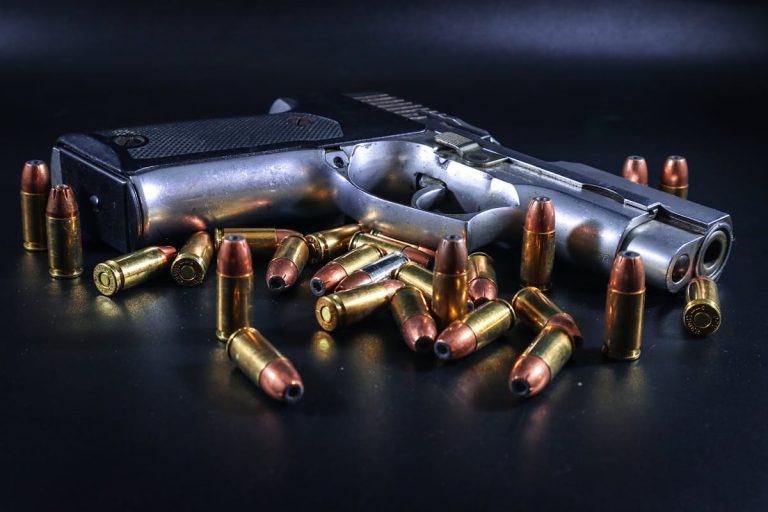
The legal and social implications of being apprehended with a ghost gun, an untraceable firearm without a serial number, are far-reaching and complex. The consequences you might encounter are largely predicated on the laws of your specific jurisdiction, your past criminal record, and the context in which the firearm was discovered. Furthermore, the severity of penalties can range from fines to incarceration, greatly impacting your future. Let’s examine the intricacies of this issue which demand a deeper understanding of state and federal regulations, legal precedents, and the role of legal counsel in such cases.
Understanding Ghost Guns
In the field of firearms, the term “ghost gun” has emerged, sparking numerous discussions and debates. Ghost guns, with their intersection of technology, law, and public safety, represent a significant shift in the dynamics of gun ownership and regulation.
Ghost gun technology primarily refers to the manufacturing of firearms using parts that can be easily purchased and assembled without the need for a background check or a serial number. These DIY firearms, as they are often called, are typically made at home using a combination of commercially available parts and homemade components. The technology involved ranges from basic hand tools to advanced 3D printers.
The appeal of ghost guns lies in their accessibility and anonymity. They enable individuals to bypass traditional gun purchasing regulations, giving rise to concerns about their potential use in criminal activities. The lack of traceability also means that these firearms are virtually invisible to law enforcement agencies.
Understanding the nature and implications of ghost gun technology is vital to forming effective policies and regulations. However, it is important to distinguish between the technology itself and its potential misuse, as the latter falls more into the area of legal and social concerns.
Legal Status of Ghost Guns
The legal status of ghost guns varies greatly across jurisdictions, shaped by specific local, state, and federal laws. Understanding these laws, as well as the potential penalties for possession, is a critical aspect of steering through the complex landscape of ghost gun ownership. It is also essential to note that regulations can differ from state to state, adding another layer of complexity to the legal standing of these weapons.
Laws Surrounding Ghost Guns
While ghost guns may seem like a loophole in gun control legislation, their legal status is complex and varies considerably from one jurisdiction to another. Ghost gun definitions are not uniform across all legal systems, leading to different legal interpretations and enforcement.
In the United States, for example, ghost guns are typically defined as firearms that lack commercial serial numbers and may be sold in parts, making them untraceable by regulatory authorities. Federal law does not prohibit their possession, sale, or manufacture. This is under the assumption that the guns are for personal use and not for resale. However, this federal view is not universally accepted across all states.
States like California have stringent laws, requiring anyone assembling a homemade firearm to apply for a serial number from the Department of Justice. New Jersey outright bans the sale, possession, and manufacture of ghost guns. Many other states, though, have no specific laws addressing ghost guns.
This variance in laws and ghost gun definitions highlights the complex legal landscape surrounding these untraceable firearms. Future legal interpretations will certainly continue to develop as lawmakers grapple with the implications of ghost guns on public safety.
Penalties for Possession
Facing penalties for possession of ghost guns can be a serious consequence, particularly in jurisdictions with stringent laws. The legal ramifications vary depending on factors such as the individual’s intent, their previous criminal record, and the specifics of the jurisdiction in which the possession occurs. Ghost guns, by definition, lack the serial numbers that typically aid in the tracking and regulation of firearms. This complicates matters both legally and investigatively.
Possession penalties for ghost guns can range from misdemeanour charges to felony convictions, depending on the circumstances. A misdemeanour conviction could result in penalties such as fines, probation, or even jail time of less than a year. Felony convictions, on the other hand, carry heavier penalties, including substantial fines and longer prison sentences.
The absence of a serial number can also influence the severity of the penalties. If it’s determined that the individual intentionally removed or altered the serial number, this could be an additional violation, leading to increased charges. It’s essential for individuals to understand these legal nuances to avoid unintentionally falling foul of the law. In the complex landscape of ghost gun possession, ignorance is far from bliss.

State-specific Regulations
Maneuvering from penalties of possession, it’s important to turn our attention to the intricacies of state-specific regulations concerning ghost guns. It’s essential to understand that these regulations can drastically differ from state to state, as each jurisdiction has its own views on gun control.
In some states, ghost firearms are treated similarly to regular firearms under state laws. This means that individuals are subjected to the same licensing requirements, background checks, and age restrictions as with traditional firearms. However, due to the untraceable nature of ghost guns, it can be challenging to enforce these regulations.
On the flip side, other states have no specific laws against ghost guns, thereby creating a legal grey area. In these states, it’s typically legal to manufacture a ghost firearm for personal use, provided the individual is not prohibited by federal law from possessing a firearm. However, selling or transferring such a firearm is generally illegal.
In response to the rising use of ghost guns in crimes, some states are adopting stricter regulations. For instance, California has implemented laws requiring anyone building a ghost firearm to apply for a serial number from the state’s Department of Justice. The legal landscape is evolving, and it’s vital to stay informed about the regulations in your specific state.
State Laws and Ghost Guns
The laws governing ghost guns vary considerably from state to state, reflecting a complex mix of regulations that shape the legal landscape for these firearms. It is of paramount importance to understand the potential legal consequences that may arise from possessing, manufacturing, or selling ghost guns within the jurisdiction of each state. In the following discussion, we will examine the nuances of these state regulations and the corresponding legal ramifications.
Varying State Regulations
While the legal landscape concerning ghost guns varies markedly from state to state, understanding these differences is essential. Despite the federal government’s definition and guidelines, each state has the authority to impose its own regulations, creating a patchwork of laws that can be difficult to navigate. This leads to state comparisons that highlight the inconsistencies and enforcement challenges.
For instance, states like California have stringent regulations requiring ghost gun owners to apply for a serial number from the Department of Justice. In contrast, states like Texas have more lenient laws, allowing the manufacture and possession of these self-assembled firearms without any licensing or registration.
These enforcement challenges are exacerbated by the nature of ghost guns themselves, which lack serial numbers and are consequently difficult to trace. Therefore, the effectiveness of state regulations is often hindered by the absence of a reliable tracking mechanism.
Furthermore, differing interpretations of the law by courts across states add another layer of complexity. This uneven regulatory landscape underscores the need for a thorough understanding of state-specific laws, as well as the critical role of law enforcement agencies in ensuring compliance. As the debate over ghost guns continues, these state differences reflect the ongoing struggle to balance gun rights and public safety.
Legal Consequences Involved
Steering through the intricate web of state laws regarding ghost guns brings to light the potential legal consequences that individuals could face if they are caught with these untraceable firearms. With the lack of serial numbers, ghost guns present a significant challenge to law enforcement agencies, dramatically complicating the tracing process of these weapons in criminal investigations.
Depending on the jurisdiction, the legal penalties for possession, manufacturing, or trafficking ghost guns can range from misdemeanors to felonies. These penalties may include hefty fines, imprisonment, or both. However, it’s important to recognize that these laws are continually evolving in response to the changing public perception and growing concerns about ghost gun safety.
In many states, legislation is being proposed or already in place to regulate ghost guns similarly to traditional firearms. These laws aim to curb the unregulated sale and possession of ghost guns, mainly due to the increased use of these weapons in crimes. For example, California now requires anyone planning to build a firearm to first obtain a serial number from the state’s Department of Justice. Violating these regulations could lead to severe legal consequences.
Federal Regulations on Untraceable Firearms
Ghost guns, untraceable firearms often assembled from parts purchased online, have entered the national spotlight due to their potential misuse in criminal activities. Federal legislation is currently grappling to address this issue, as traditional laws surrounding firearms do not adequately cover these DIY weapons.
Existing federal legislation largely focuses on firearms with serial numbers, which allows them to be traced by authorities. Ghost guns, however, lack these identifying markers, making them untraceable firearms in the eyes of law enforcement. This loophole has created a legal gray area, with federal agencies such as the Bureau of Alcohol, Tobacco, Firearms and Explosives (ATF) seeking to adapt the current legislation to better regulate these untraceable firearms.
In early 2021, the ATF proposed a rule to redefine what constitutes a “firearm” under the Gun Control Act (GCA) of 1968 and the National Firearms Act (NFA) of 1934, potentially bringing ghost guns under federal oversight. However, this proposal is still under review, demonstrating the ongoing challenges federal legislation faces in regulating untraceable firearms. The rapidly evolving nature of this issue underscores the importance of staying informed on recent developments.
Consequences of Illegal Possession
As the legal landscape surrounding ghost guns continues to evolve, the consequences of illegal possession come into sharp focus. The severity of these repercussions depends on several factors, including the jurisdiction, the intent of the possessor, and any prior criminal history.
Illegal firearm ownership, particularly involving ghost guns, has become a focal point for law enforcement agencies. These weapons, due to their untraceability, pose unique challenges to ghost gun enforcement. Many states are strengthening their regulations to combat the proliferation of these firearms. Penalties can range from hefty fines to significant prison sentences.
While the penalties for possession may seem severe, they reflect the potential danger ghost guns pose to public safety. Ghost guns are often used in criminal activities due to their unregulated nature, consequently prompting strict enforcement measures.
To mitigate the risk of illegal possession, individuals should familiarize themselves with their local firearm laws. Ignorance of the law does not exempt one from potential penalties. Additionally, individuals found guilty of illegal possession may face additional consequences, such as loss of certain civil rights and difficulty in securing employment. Thus, understanding the legal implications associated with ghost guns is of utmost importance.
Confiscation and Legal Proceedings
Upon the discovery of an illegally possessed ghost gun, a series of legal proceedings typically follows, beginning with the confiscation of the firearm. Confiscation procedures are meticulously carried out by law enforcement agencies, ensuring they abide by constitutional guidelines to prevent potential legal challenges. The firearm is carefully documented, preserved as evidence, and sent for forensic analysis, if necessary.
The individual caught with the ghost gun is then generally taken into custody, where they are informed of the charges against them. This is where legal representation becomes critical. It is imperative for the individual to understand their legal rights and obligations, which can be complex given the varying laws on ghost guns across different jurisdictions.
Legal representation can help the defendant navigate the intricacies of the criminal justice system, from understanding the charges and potential defenses to ensuring the individual’s rights were not violated during the confiscation procedure. These proceedings can be a lengthy process, often involving multiple court hearings and potential plea negotiations. It is essential to recognize that the outcome of these proceedings can vary greatly, influenced by factors such as the jurisdiction, the specifics of the case, and the effectiveness of the legal representation.
Potential Penalties and Sentences
If found guilty of possessing an illegal ghost gun, the penalties can be severe and far-reaching. Ghost guns, due to their untraceable nature and potential misuse, are viewed critically by law enforcement. As a result, the legal repercussions for possession can be quite significant, potentially involving hefty fines and imprisonment.
The exact penalties vary depending on the jurisdiction and specific circumstances surrounding the case. However, they can include monetary fines often extending to thousands of dollars, probation, and in severe cases, incarceration for several years. The severity of these penalties underscores the importance of defensive measures and the need for robust legal representation when faced with such charges.
Apart from the immediate legal penalties, the long-term consequences of a conviction can also impact one’s life drastically. These can include difficulties in securing employment, loss of voting rights, and restrictions on international travel. It’s important to remember that these penalties are not just punitive but serve as a deterrent for illegal possession and use of ghost guns.
Mitigating Risks and Legalities
Understanding the severity of penalties tied to ghost guns, it becomes clear that it is in one’s best interest to mitigate the associated risks and understand the legalities involved. Risk management, in this situation, involves a two-pronged approach – awareness and action. Awareness necessitates comprehension of local, state, and federal laws surrounding the ownership, sale, and use of ghost guns. Action, on the other hand, implies adhering strictly to these laws to avoid potential legal troubles.
Legal advice is an invaluable component of risk management when dealing with ghost guns. Consulting with an attorney who specializes in firearm laws can provide insight into the intricacies of current regulations and potential changes in the legislative landscape. This often includes specific guidelines on the legitimate purchase, possession, and use of such firearms.
Ultimately, mitigating risks and legalities tied to ghost guns centers on being informed and acting responsibly. Ignorance of the law is not an excuse, and with penalties as severe as those associated with ghost guns, it is essential to be proactive in understanding and complying with all relevant laws.
Frequently Asked Questions
Can Ghost Guns Be Traced Back to Their Original Manufacturers?
Ghost guns, due to their lack of serial numbers, present significant challenges in firearm tracking. Legally, they cannot be traced back to original manufacturers, complicating investigations involving these untraceable weapons.
What Makes a Firearm a ‘Ghost Gun’ as Opposed to a Regular Gun?
A ‘ghost gun’ differs from a regular firearm due to its untraceability. It’s often self-assembled, lacks serial numbers, and bypasses traditional firearm regulations, making it invisible to standard tracking and background checks in many jurisdictions.
Are There Any Legal Uses for Ghost Guns in Self-Defense?
The legality of ghost guns for self-defense varies by jurisdiction, with some allowing it and others not. It’s necessary to understand local ghost gun regulations to guarantee lawful use in self-defense situations.
How Are Ghost Guns Typically Detected by Law Enforcement Agencies?
Law enforcement agencies typically detect ghost guns using metal detectors and forensic techniques. For instance, fingerprint analysis can link ghost guns to individuals, even if these firearms lack the traditional serial numbers of commercially produced weapons.
What Are the Safety Concerns Associated With the Use of Ghost Guns?
Ghost guns pose significant safety concerns due to the lack of safety regulations in their construction and user responsibility. These untraceable firearms can malfunction, causing harm to the user and bystanders, amplifying public safety risks.