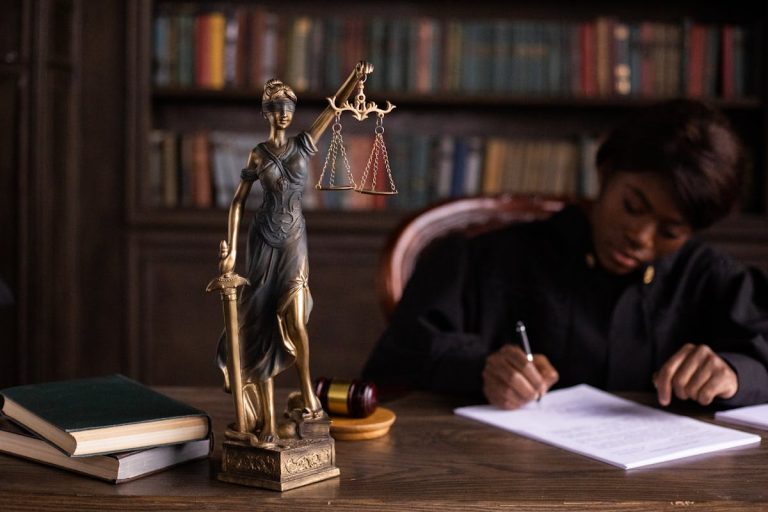
Yes, criminal defense lawyers can effectively reduce charges through several proven methods.
A good defense lawyer works to lower your charges by: – Carefully reviewing evidence to find holes in the prosecution’s case – Negotiating with prosecutors for better plea deals – Using their experience with local courts and relationships with prosecutors – Finding legal problems with how evidence was collected – Presenting strong defense arguments that weaken the prosecution’s position
Most importantly, defense lawyers know which strategies work best for specific charges and circumstances. They can spot opportunities to reduce felonies to misdemeanors, get charges dropped, or secure lighter sentences through plea bargaining.
Having a skilled defense lawyer matters because they understand both the law and how local courts operate. They can explain your options clearly and fight to protect your rights while working toward the best possible outcome for your case.
Understanding the Role of a Criminal Defense Lawyer
Criminal Defense Lawyers: Your Rights Protector in Court
A criminal defense lawyer fights for people accused of crimes and ensures they get a fair trial. Think of them as your personal guide and defender in the complex legal system.
What They Do: – Review police reports and evidence – Interview witnesses – Build strong defense strategies – Negotiate with prosecutors – Represent clients in court – Keep client information private
Their day-to-day work involves: 1. Analyzing evidence to find holes in the prosecution’s case 2. Meeting with clients to understand their side of the story 3. Filing legal documents and motions 4. Presenting arguments in court 5. Working out plea deals when beneficial
The lawyer-client relationship relies on trust and complete honesty. Your lawyer needs to know everything about your case to defend you properly. They keep all information confidential, which means you can speak freely without worry.
A good defense lawyer makes sure: – Your rights are protected – Evidence against you is properly obtained – You understand your options – You get fair treatment in court – Your side of the story is heard
Analyzing the Charges Against You
Understanding Your Criminal Charges
A good defense lawyer breaks down criminal charges in simple terms you can understand. They look closely at all evidence against you – from police reports to witness statements – to find weak points in the case.
Your lawyer checks three key things: – Whether the evidence actually proves the charges – If police and prosecutors followed proper procedures – What defense strategies could work best for your situation
They also explore options to reduce your charges through plea deals, which can lead to lighter sentences or dropped charges. This analysis helps build the strongest possible defense while keeping you informed every step of the way.
Think of your lawyer as a detective working backward through your case, finding gaps in the prosecution’s evidence that could help you. They translate complex legal terms into plain English so you can make informed decisions about your defense.
Evaluating Evidence Strength
Evidence Strength in Criminal Defense: What Really Matters
Defense lawyers look closely at two main types of evidence: witness statements and physical proof. This careful review helps build a stronger case for their clients.
When checking witness statements, lawyers ask key questions: – Is the witness telling the truth? – Do they have reasons to lie? – Does their story match other facts? – Can they remember events clearly?
For physical evidence like DNA or fingerprints, lawyers focus on: – Were proper testing methods used? – Are the lab results reliable? – Could the evidence have been contaminated? – Do the findings actually prove guilt?
Finding problems with evidence lets lawyers: – Show weaknesses in the prosecution’s case – Get better deals for their clients – Sometimes reduce or dismiss charges
This step-by-step review of evidence directly affects case outcomes and helps ensure fair treatment for defendants in court.
Identifying Legal Inconsistencies
Understanding Legal Inconsistencies in Criminal Cases
Legal inconsistencies can make or break a criminal case. These are gaps, errors, or contradictions in the evidence or legal procedures that might affect the outcome of a case. Common examples include mismatched dates on police reports, conflicting witness statements, or improper handling of evidence.
Defense lawyers look for two main types of inconsistencies: 1. Factual problems – when evidence doesn’t match up or witness stories conflict 2. Legal errors – when police or prosecutors don’t follow proper procedures
Key areas to check for inconsistencies: • Police reports and arrest records • Witness statements • Evidence handling procedures • Search and seizure methods • Miranda rights administration
Finding these inconsistencies can lead to reduced charges or case dismissal. A skilled defense lawyer reviews case details thoroughly, comparing documents, timestamps, and procedures to spot potential problems that could help their client’s case.
Tips for defendants: • Take detailed notes about your case • Save all paperwork and communications • Report any concerns to your lawyer promptly • Ask questions if procedures seem incorrect
Negotiating Plea Bargains
Plea Bargain Basics: What You Need to Know
Defense lawyers use plea bargaining as a key tool to help their clients get better outcomes in criminal cases. A plea bargain is a deal between the defense and prosecution that often leads to reduced charges or lighter sentences.
Three main ways lawyers negotiate plea deals:
- Getting Lesser Charges: Your lawyer works to reduce serious charges to less severe ones. For example, reducing a felony to a misdemeanor.
- Limiting Sentence Length: Setting a maximum punishment helps you avoid longer sentences. This might mean agreeing to a 1-year maximum instead of facing up to 5 years.
- Finding Alternatives: Your lawyer can push for options besides jail time, like:
- Probation
- Community service
- Drug treatment programs
- House arrest
Smart plea bargaining often results in better outcomes than going to trial. Your lawyer will weigh the evidence, potential penalties, and your best interests to decide if a plea deal makes sense for your case.
Remember: A good plea deal can save time, money, and stress while protecting your future. Most criminal cases end in plea bargains because they benefit both sides.
Negotiating Plea Bargains
A plea bargain is a deal between a defendant and prosecutor where the defendant agrees to plead guilty in exchange for a lighter sentence or reduced charges. Defense lawyers help their clients get better outcomes through these negotiations.
Defense lawyers start by carefully reviewing all evidence in the case to understand its strengths and weaknesses. This gives them leverage when negotiating with prosecutors. They can point out problems with the prosecution’s case to get better terms for their client.
Key benefits of plea bargains include: • Shorter sentences or reduced charges • Avoiding lengthy trials and court costs • More certainty about the outcome • Faster resolution of the case
Defense lawyers look for opportunities to: • Challenge weak evidence • Highlight mitigating factors • Negotiate charge reductions • Secure minimum sentences • Preserve appeal rights when possible
The timing of plea negotiations matters greatly. Experienced lawyers know when to push for better terms and when to accept a reasonable offer before it expires. They explain all options clearly so clients can make informed decisions about their case.
Understanding Plea Agreements
Plea Agreements in the Criminal Justice System
Plea agreements help both courts and defendants avoid lengthy trials while reaching faster resolutions. These agreements work like a compromise – the defendant pleads guilty to a crime, often a less serious one, in exchange for a lighter sentence.
Three Main Benefits:
- Reduced Charges: A felony charge might drop to a misdemeanor, leading to less jail time and a less serious criminal record.
- Better Sentences: Instead of risking maximum penalties at trial, defendants can get shorter sentences or alternatives like probation or community service.
- Quick Resolution: Cases wrap up faster, saving time and money for everyone involved. Defendants can move forward with their lives sooner.
Making Smart Decisions: Good legal advice matters when considering a plea deal. Your lawyer can explain your options in simple terms, compare possible outcomes, and help negotiate the best possible terms for your situation. Understanding these basics helps you make informed choices about your case.
[Note: Text focuses on plain language, groups related concepts, and maintains an informative yet accessible tone while incorporating key legal terms naturally.]
Evaluating Case Strength
Assessing Criminal Case Strength: A Simple Guide
A strong criminal case evaluation helps secure better plea bargain outcomes. Defense attorneys analyze three key factors: evidence quality, witness reliability, and legal procedure compliance.
Evidence Review: Look at physical evidence (DNA, fingerprints, surveillance footage), document strength, and potential flaws. Strong evidence supports prosecution; weak or missing evidence helps defense negotiate better terms.
Witness Assessment: Check witness credibility, consistency of statements, and potential biases. Unreliable witnesses weaken the prosecution’s position, creating room for negotiation.
Legal Process Check: Review arrest procedures, evidence handling, and constitutional rights. Any mistakes by law enforcement can significantly impact case strength.
Strategy Development: Compare case strengths and weaknesses against typical outcomes for similar charges. Understanding both sides helps predict likely plea offers and guides negotiation strategy.
This balanced analysis helps defense teams negotiate effectively, leading to fair plea agreements that serve their client’s interests.
Negotiating Charge Reductions
Getting Criminal Charges Reduced: A Simple Guide
Charge reduction negotiations can make a big difference in criminal cases. The right approach helps defense attorneys work with prosecutors to lower charges and find better solutions.
Key Ways to Negotiate Lower Charges:
- Show Good Character: Tell prosecutors about positive factors like:
- Clean criminal record
- Genuine regret for actions
- Community involvement
- Steps taken to make things right
- Review Case Strength: Look carefully at:
- Gaps in evidence
- Witness reliability
- Legal issues that might help the defense
- Similar cases and their outcomes
- Suggest Better Options: Offer practical solutions like:
- Community service
- Treatment programs
- Rehabilitation plans
- Education or job training
Success Tips: – Act quickly after charges are filed – Keep communication professional – Have clear goals for negotiations – Document all agreements in writing
A good negotiation strategy often leads to better outcomes, helping defendants avoid harsh penalties and move forward with their lives.
Challenging the Evidence
Challenging Evidence to Reduce Criminal Charges
Defense lawyers can lower criminal charges by finding problems with the prosecution’s evidence. This starts with a careful review of how evidence was collected, stored, and processed. Key areas include:
• Police procedures and potential mistakes • Witness statements and their reliability • Physical evidence handling • Documentation accuracy
Lawyers look for specific issues that can weaken the prosecution’s case: – Wrong search procedures – Mishandled evidence – Unreliable witness accounts – Missing documentation
When lawyers find these problems, they can: 1. Ask judges to throw out invalid evidence 2. Question witness credibility 3. Push prosecutors to reduce charges 4. Negotiate better plea deals
This approach often leads to reduced charges or better outcomes because prosecutors need strong evidence to win their case. Without solid proof, they’re more likely to offer lighter charges or dismiss the case entirely.
Exploring Legal Defenses
Legal Defenses in Criminal Cases
Criminal defense lawyers use specific legal strategies to help their clients get better outcomes in court. These defenses can lead to reduced charges or case dismissals when used correctly.
Common Legal Defenses:
- Self-Defense When someone uses reasonable force to protect themselves from harm, their actions may be legally justified. Example: Pushing an attacker away to prevent being hit counts as self-defense.
- Mistake of Fact This defense applies when someone acts based on incorrect information, not criminal intent. Example: Taking someone else’s identical laptop thinking it was yours.
- Entrapment Police officers can’t legally pressure or trick people into committing crimes they wouldn’t normally commit. Example: An undercover officer repeatedly pressuring someone to buy drugs despite multiple refusals.
These defenses work best when supported by clear evidence and witness testimony. A skilled defense lawyer matches the right defense to the specific details of each case, focusing on facts that support their client’s position.
Mitigating Circumstances and Sentencing
Mitigating circumstances can significantly reduce criminal sentences or charges by showing important factors beyond the crime itself. These factors help judges and prosecutors make fairer decisions about punishment.
Common mitigating factors include: – No previous criminal record – Genuine remorse and acceptance of responsibility – Mental health or addiction issues – Difficult life circumstances or background – Willingness to make amends
When a defense lawyer presents strong mitigating evidence, it helps the court understand the full picture. For example, a first-time offender who shows real remorse and actively participates in rehabilitation programs may receive a lighter sentence than someone with similar charges but no mitigating factors.
The key is documenting and presenting these circumstances clearly. This might include: – Character references from family or employers – Treatment program participation records – Evidence of positive changes since the incident – Proof of efforts to make things right
Courts consider these factors because they help predict whether someone is likely to reoffend and whether rehabilitation is a better option than harsh punishment.
The Importance of Legal Experience
Why Legal Experience Makes a Difference in Court
A good lawyer’s experience directly impacts your case outcome in court. Think of legal experience like a skilled mechanic who knows exactly which tools to use – it helps navigate the justice system more effectively and often leads to better results.
What experienced lawyers do for you:
- Spot Important Details They catch things others might miss, like problems with evidence or mistakes in court procedures. Just like a doctor spotting early warning signs, lawyers use their training to find opportunities to help your case.
- Create Smart Defense Plans They match defense strategies to your specific situation. Each case is different, and experienced lawyers know which approaches work best for different charges and circumstances.
- Present Your Case Well They know how to explain your side of the story in ways judges and juries understand. Clear communication in court often makes the difference between good and great case outcomes.
Remember: Having an experienced lawyer strengthens your defense and increases your chances of a better outcome in court.
Leveraging Relationships Within the Legal System
Professional Relationships in Legal Cases: What Really Makes a Difference
Strong relationships in the legal system directly impact case outcomes. When defense lawyers build solid connections with prosecutors and judges, they can better serve their clients in three key ways:
- Better Plea Deals Lawyers who know prosecutors well understand what deals are possible and how to ask for them. This helps them negotiate more effectively for reduced charges or lighter sentences.
- Smarter Defense Strategies Regular courtroom experience with specific judges teaches lawyers what arguments work best. A lawyer who knows a judge prefers direct evidence over character witnesses can plan accordingly.
- Faster Case Resolution Good working relationships between legal professionals speed up case processing. When lawyers and court staff communicate well, cases move through the system more efficiently.
These relationships develop through consistent, professional interaction in court. They help lawyers work within the system to achieve better results for their clients while maintaining legal and ethical standards.
When to Seek a Criminal Defense Lawyer
When You Need a Criminal Defense Lawyer
Getting legal help at the right time can protect your rights and improve your case outcome. A criminal defense lawyer becomes essential in these key situations:
- If You’re Arrested or Detained The moment police take you into custody, ask for a lawyer. Don’t answer questions or make statements without legal representation. A lawyer will protect your rights and guide you through police questioning.
- When You Get Court Papers If you receive any court documents, contact a lawyer right away. This includes summons, warrants, or notices to appear. Quick legal help can lead to better options for your defense or plea negotiations.
- During Police Investigations Even before charges are filed, a lawyer can help. If police want to question you or you suspect you’re under investigation, legal guidance can prevent mistakes and sometimes stop charges from being filed.
Remember: The earlier you get a lawyer, the better your chances of a positive outcome. Many defense lawyers offer free initial consultations to discuss your case.
Frequently Asked Questions
How Can I Find a Reputable Criminal Defense Lawyer in My Area?
Finding a Good Criminal Defense Lawyer Near You
Start with trusted recommendations from friends, family, or other lawyers in your area. Local bar associations often provide free referral services to connect you with qualified attorneys.
Schedule free consultations with 2-3 lawyers to compare their: – Experience with cases like yours – Success rate and track record – Communication style and availability – Fee structure and payment options
Look for criminal defense attorneys who: – Focus specifically on criminal law – Have strong local court experience – Explain things clearly without legal jargon – Make you feel comfortable asking questions – Provide honest case assessments
Check online reviews and state bar records to verify their credentials and disciplinary history. The right lawyer will have both expertise in criminal defense and a good rapport with you.
What Are the Costs Associated With Hiring a Criminal Defense Lawyer?
Criminal defense lawyer costs typically range from $1,500 to $15,000+, depending on your case type and location. The main expenses include hourly rates, flat fees, and court costs.
Basic costs breakdown: – Initial consultation: $0-500 – Misdemeanor cases: $1,500-5,000 – Felony cases: $5,000-15,000+ – Hourly rates: $150-700 per hour – Court filing fees: $100-500
Most defense lawyers offer payment plans or accept credit cards. When choosing a lawyer, ask for: – Written fee agreements – Detailed cost breakdowns – Payment schedule options – Extra expense estimates
Remember: cheaper isn’t always better. Focus on finding a lawyer who balances cost with experience and track record. Free public defenders are available if you can’t afford private representation.
Can a Public Defender Help Reduce Charges Like a Private Lawyer?
Yes, public defenders can help reduce charges just like private lawyers. They have the same legal training and negotiation skills to work out plea deals with prosecutors.
Public defenders know the local court system well and often have strong working relationships with prosecutors. This helps them negotiate effectively for their clients. While they handle more cases than private attorneys, they can still:
• Review evidence and find weaknesses in the prosecution’s case • Identify factors that support reduced charges • Negotiate with prosecutors for better plea deals • Present mitigating circumstances that justify lower charges
The main difference isn’t their ability – it’s their time and resources. Public defenders may not have as much time to spend on each case, but they’re skilled attorneys who regularly secure charge reductions through plea bargaining.
How Long Does the Process of Reducing Charges Typically Take?
The charge reduction process typically takes between 2-6 months, though timing can vary widely depending on your specific case.
Simple cases might resolve in just a few weeks, while complex ones can take several months or longer. Key factors that affect the timeline include:
• Court workload and scheduling • Case complexity and evidence involved • Prosecutor’s willingness to negotiate • Your attorney’s strategy and approach • Local court procedures and rules
Working with an experienced attorney can help speed up the process. They know the local court system, maintain relationships with prosecutors, and understand which strategies work best for quick resolutions. Regular communication with your legal team and prompt responses to their requests will also help keep your case moving forward efficiently.
Are There Any Charges That Cannot Be Reduced by a Lawyer?
Some serious criminal charges can’t be reduced, even with a lawyer’s help. These typically include:
• Violent felonies with mandatory minimum sentences • Certain drug trafficking offenses • Federal crimes with strict sentencing guidelines • Repeat offender cases with required penalties
While lawyers can’t always reduce these charges, they can help in other ways:
• Finding alternative sentencing options • Negotiating better plea deals • Presenting evidence of rehabilitation • Showing mitigating factors that could affect sentencing
The success of charge reduction depends on: • Specific case details • Local laws and guidelines • Prosecutor’s willingness to negotiate • Strength of evidence • Defendant’s criminal history
A criminal defense lawyer can review your case to explain which options are available under your specific circumstances.