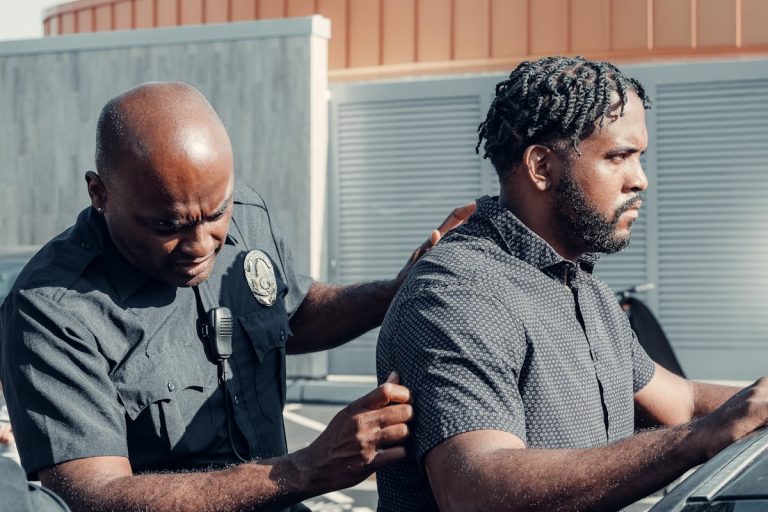
If Police Don’t Read Your Miranda Rights
Police failing to read Miranda rights doesn’t automatically dismiss your case, but it limits how your statements can be used against you. Any answers you give during police questioning while in custody can’t be used as evidence in court if you weren’t read your rights.
What This Means For You: – Statements made without Miranda warnings can’t be used in trial – Physical evidence found because of those statements might still be allowed – Police can still arrest and charge you even if they forgot Miranda – The case itself doesn’t get thrown out
Key Protection: Miranda rights protect you during two specific situations: 1. When you’re in police custody (not free to leave) 2. When police are questioning you
Your Best Response: If arrested, remain silent until speaking with a lawyer – even if police don’t read your rights. Tell officers clearly that you want to exercise your right to remain silent and request an attorney.
Understanding Miranda Rights
Miranda Rights: Your Basic Legal Protections
When police take you into custody, they must tell you about your Miranda Rights. These rights come from a famous 1966 Supreme Court case and protect you during police questioning.
Your Miranda Rights include: • The right to stay silent • The right to a lawyer • The knowledge that anything you say can be used in court • The right to a free lawyer if you can’t afford one
If police don’t tell you these rights before questioning, your statements might not be allowed in court. This protection helps ensure fair treatment in the justice system and prevents forced confessions.
Think of Miranda Rights as a shield that protects you from saying something that could hurt your case before talking to a lawyer. They give you time to think and get legal help before answering questions.
[Note: This version is more accessible, uses plain language, groups related concepts, and maintains key terms while being more reader-friendly.]
The Historical Context of Miranda V. Arizona
Miranda v. Arizona: A Game-Changing Legal Case
In 1963, a simple arrest in Phoenix changed American police work forever. When police arrested Ernesto Miranda and got him to confess without telling him his rights, it sparked a legal revolution. The Supreme Court’s 1966 decision created the “Miranda Rights” – those familiar words police must say before questioning suspects.
Before questioning any suspect in custody, police officers must now clearly state four key rights: – The right to remain silent – The warning that anything said can be used in court – The right to have a lawyer present – The right to get a free lawyer if needed
This clear set of rules protects both suspects and police officers. It gives suspects a fair chance to understand their rights, while giving police a standard way to conduct proper questioning. Today, these Miranda Rights remain a cornerstone of American law enforcement and criminal justice, ensuring fair treatment during police interrogations.
Origins of Miranda Case
The Miranda Rights: A Game-Changing Legal Protection
In 1963, a simple arrest changed how police deal with suspects forever. When police arrested Ernesto Miranda in Arizona, they questioned him without telling him two basic rights: he could stay silent and get a lawyer. Miranda confessed to crimes during this questioning, but the way police got his confession raised serious concerns.
The Supreme Court saw this case as a chance to fix a big problem in police work. Before Miranda, officers didn’t have to tell suspects about their rights. This led to many people unknowingly giving up important legal protections during police questioning.
The Court’s decision created the now-famous Miranda warning, requiring police to tell suspects their rights before questioning. This change protects people from unfair pressure and ensures everyone knows their basic legal rights when dealing with law enforcement.
Keywords naturally grouped: Miranda Rights, police questioning, legal protection, Supreme Court decision, constitutional rights, law enforcement, police procedures
Supreme Court’s Landmark Decision
The Miranda Rights: What You Need to Know
The 1966 Supreme Court case Miranda v. Arizona created basic rights that protect every person during police questioning. These rights help make sure police interviews are fair and that people understand their legal options.
When police take someone into custody, they must tell them four key things:
- You can stay silent – You don’t have to answer questions that might make you look guilty
- You can have a lawyer – A legal expert can help protect your interests
- Police must explain these rights – Officers have to tell you about these protections clearly
- Your words only count if you understood your rights – Police can’t use statements against you unless they properly explained your rights first
The Miranda decision changed how police work with suspects, making sure everyone knows their basic legal rights. These protections now help millions of Americans understand their options when dealing with law enforcement.
This ruling matters because it balances police power with individual rights, creating clear rules that protect both citizens and law enforcement during questioning.
Impact on Law Enforcement
The Miranda Rights Changed Police Work Forever
Police departments completely changed how they operate after the Miranda v. Arizona court decision. Officers now must tell suspects about their basic rights before questioning them, including the right to remain silent and the right to a lawyer.
This change created new rules for police: – Officers must read rights clearly to suspects – Suspects must understand their rights before questioning – Police need proper training on these procedures – Evidence can be thrown out if rights aren’t read
The new system helps protect both citizens and police. It makes arrests more transparent and gives clear guidelines that officers can follow. While some worried it would make police work harder, most departments adapted quickly by creating simple checklists and training programs.
Today, reading Miranda Rights is a standard part of police work, helping balance effective law enforcement with protecting individual rights. This clear process helps ensure fair treatment and builds trust between police and communities.
When Police Are Required to Read Miranda Rights
Police must read Miranda Rights when two conditions are met: the person is in police custody and being questioned about a crime. These rights protect people from self-incrimination during police interviews.
The basic Miranda warning tells you: – You have the right to remain silent – Anything you say can be used against you in court – You have the right to a lawyer – If you can’t afford a lawyer, one will be provided
Police don’t need to read Miranda Rights when: – Asking basic questions during routine traffic stops – Gathering emergency information about public safety threats – Speaking with witnesses who aren’t suspects – Making general observations or collecting voluntary statements
If police question someone in custody without reading Miranda Rights, any statements made typically can’t be used as evidence in court. This rule helps ensure fair treatment and protects constitutional rights during police investigations.
Custodial Interrogation Definition
When Police Must Give Miranda Rights
Law enforcement must give Miranda warnings during custodial interrogation – when they both question someone and restrict their freedom of movement. Let’s break down what this means in simple terms:
Understanding Custody A person is in custody when they reasonably believe they can’t leave, similar to being arrested. This happens when: – Police surround or block exits – Officers use commanding language – The questioning takes place in a confined space – The person is physically restrained
What Counts as Interrogation Police actions that aim to get information about a crime, including: – Direct questions about criminal activity – Statements designed to get a response – Showing evidence to prompt confessions – Psychological tactics to encourage talking
The Reasonable Person Test Police and courts look at whether an average person would feel free to leave in the same situation. This depends on: – Location of questioning – Number of officers present – Tone and manner of questions – Length of the interaction
These guidelines help both police and citizens understand their rights during questioning.
Exceptions to Miranda Requirement
Miranda Rights Exceptions: When Police Don’t Need to Read Your Rights
Police don’t always have to read Miranda rights to suspects. Two main exceptions apply:
Spontaneous Statements When someone freely offers information without police questioning, these statements can be used in court. For example, if a suspect blurts out a confession while being arrested, before officers read any rights, that statement is usually admissible evidence.
Voluntary Statements Statements given willingly, even without Miranda warnings, can be valid evidence if police didn’t pressure or force the suspect. A suspect who walks into a police station and confesses without being questioned may have their statement used in court.
These exceptions help police do their job while still protecting people’s rights. The key factor is whether the suspect spoke freely, without pressure or questioning from law enforcement.
Exceptions to the Miranda Requirement
Miranda Rights Exceptions: When Police Don’t Need to Read Your Rights
Police officers can skip reading Miranda rights in four specific situations:
- Not In Custody When you’re free to leave and not under arrest, officers don’t need to read Miranda rights. Example: A brief conversation on the street or voluntary police station visit.
- Voluntary Statements If you speak up on your own without police questioning, those statements can be used even without Miranda warnings. Example: Spontaneously confessing to a crime in front of an officer.
- Public Safety Emergency Officers can ask urgent questions to protect people from immediate danger without Miranda warnings. Example: Asking a suspect about hidden weapons or accomplices who might harm others.
- Undercover Operations When talking to undercover officers, Miranda rights don’t apply because you don’t know you’re dealing with law enforcement.
These exceptions help police work effectively while still protecting citizen rights in most situations where questioning occurs.
Consequences of Not Being Read Your Rights
Not Being Read Miranda Rights: What Happens?
If police don’t read Miranda rights during an arrest, any statements made during questioning can’t be used in court. This applies specifically to statements made while in police custody.
Key effects: – Statements made to police become inadmissible evidence – Confessions obtained without Miranda warnings can’t be used against you – Other evidence found through legal means remains valid – The arrest itself stays valid
Police must inform suspects of their right to remain silent and right to an attorney. Without these warnings, anything said during police questioning won’t hold up in court. This rule protects people from self-incrimination and ensures fair treatment during arrests.
Important: Miranda rights only affect statements made during custody. Physical evidence, witness testimony, and statements made before arrest remain admissible in court.
How Courts Handle Miranda Rights Violations
What Happens When Police Don’t Give Miranda Rights
Courts follow a clear process when police skip Miranda warnings during an arrest. This guide explains your rights and what to expect:
Checking the Violation Police must tell you your rights when they arrest and question you. A Miranda violation happens when they don’t read these rights during custody and questioning. The court first checks if you were actually under arrest and being questioned when the violation occurred.
Evidence Rules Statements you make without getting Miranda warnings can’t be used against you in court. This means if you told police something before hearing your rights, the judge may throw out that evidence.
Legal Solutions Courts can: – Block evidence from trial – Dismiss charges in serious violations – Require new questioning with proper warnings – Protect your right to remain silent
Case Impact Missing Miranda warnings can change your whole case. Prosecutors might: – Offer better plea deals – Drop weaker charges – Rely on other evidence instead – Sometimes dismiss the entire case
The strength of your case often depends on how the Miranda violation affected your rights and what other evidence exists.
The Role of the Exclusionary Rule
The Exclusionary Rule: A Simple Guide
Evidence collected illegally by police can’t be used in court – that’s the exclusionary rule in a nutshell. Think of it as a referee throwing out an unfair play in sports.
When police officers break the rules while gathering evidence – like searching your home without a warrant or questioning you without reading your rights – that evidence typically can’t be used against you in court. This rule helps keep law enforcement honest and protects your constitutional rights.
Two main exceptions exist: 1. Public Safety: Police can use illegal evidence if they collected it to stop an immediate danger 2. Inevitable Discovery: Evidence is allowed if police can prove they would have found it legally anyway
The rule’s main job is simple: it makes sure police follow proper procedures when investigating crimes. This protects everyone’s rights while still allowing law enforcement to do their job effectively.
[Note: This version uses clearer language, groups related concepts together, and maintains a conversational yet informative tone while preserving key legal concepts.]
The Impact on Your Defense Strategy
Impact on Your Defense Strategy: What Happens When Police Don’t Read Miranda Rights
Understanding Miranda rights directly affects how lawyers defend their clients in court. When police skip reading these rights, it opens up several ways to protect the defendant:
Getting Evidence Thrown Out Defense lawyers can ask the judge to remove statements made during questioning from the case. This weakens the prosecutor’s evidence and can help the defendant’s case.
Focus on Witness Stories With confession evidence blocked, the case often depends on what witnesses say. Lawyers adjust their questioning to highlight inconsistencies in witness accounts.
Better Plea Deal Options Less evidence against the defendant means more bargaining power. Prosecutors may offer lighter sentences to avoid a trial with limited evidence.
Building a Stronger Defense When certain evidence can’t be used in court, defense lawyers can plan better strategies. They focus on gaps in the prosecution’s remaining evidence, increasing chances of a not-guilty verdict.
Each strategy connects directly to Miranda rights protection, giving defendants more options when police make procedural mistakes.
Seeking Legal Assistance When Rights Are Violated
What to Do If Your Miranda Rights Are Violated
If police didn’t read your Miranda rights during arrest, talk to a lawyer right away. This common situation can affect your case, but a lawyer can help protect your rights and challenge any statements you made while in custody.
Your Next Steps: 1. Write down everything you remember about your arrest 2. Don’t discuss your case with anyone except your lawyer 3. Contact a criminal defense attorney immediately
A good lawyer will: • Review your arrest details • Check if police followed proper procedures • Challenge any evidence obtained illegally • Help build your defense strategy
Remember: Police must read Miranda rights before questioning you in custody. Without these rights being read, statements you made might not be used in court. Quick action with legal help increases your chances of a better outcome in your case.
This straightforward approach helps you handle rights violations while protecting your legal interests. Most lawyers offer free initial consultations to review your situation.
Frequently Asked Questions
Can Miranda Rights Be Waived Voluntarily?
Yes, you can voluntarily waive your Miranda Rights. A waiver is valid when you make the decision freely, understand what rights you’re giving up, and face no pressure or threats from law enforcement.
To waive your Miranda Rights legally: – You must clearly state or show you want to give up these rights – You need to understand what these rights mean – Police cannot force, trick, or pressure you – You must make the choice while thinking clearly
Any confession you make after properly waiving your rights can be used in court. However, if police pressure or force you to waive your rights, any statements you make won’t be valid evidence. Police must document that you willingly gave up these rights to ensure your waiver holds up in court.
Remember: You can change your mind and stop talking at any time, even after waiving your rights.
Do Miranda Rights Apply to Non-Citizens?
Yes, Miranda Rights Apply to Non-Citizens
Miranda rights protect everyone in the United States, regardless of citizenship status. These basic legal rights apply to U.S. citizens, permanent residents, visa holders, and undocumented immigrants alike.
When police arrest someone, they must read them their Miranda rights: – The right to remain silent – The right to an attorney – The understanding that anything said can be used in court – The right to a court-appointed lawyer if they can’t afford one
These protections come from the U.S. Constitution and ensure fair treatment for anyone dealing with law enforcement on U.S. soil. The only rare exceptions involve national security cases, like terrorism investigations, where different legal rules may apply.
Remember: Non-citizens have the same right to remain silent and get legal help during police questioning as American citizens do.
Are Miranda Rights Applicable During Traffic Stops?
Miranda Rights During Traffic Stops: Quick Guide
No, police officers don’t need to read Miranda Rights during routine traffic stops. These rights only become necessary if you’re arrested and questioned about a crime.
During a typical traffic stop, an officer can: – Ask for license and registration – Request you step out of the vehicle – Conduct field sobriety tests – Ask basic questions about your trip
If the traffic stop leads to arrest, Miranda Rights must be read before any detailed questioning about criminal activity. This protects your right against self-incrimination and ensures any statements you make can be used in court.
Remember: You always have the right to remain silent, even during a routine traffic stop, whether Miranda Rights are read or not.
How Do Miranda Rights Apply to Juveniles?
Miranda Rights for juveniles work differently than for adults. Police must take extra steps when questioning young people under 18.
When police question juveniles in custody, they must: – Use simple language to explain Miranda Rights – Make sure the young person truly understands their rights – Often involve a parent or guardian in the process – Take special care due to teens’ developing decision-making skills
These rules protect young people because they may not fully grasp legal situations like adults do. Courts recognize that juveniles need added safeguards during police questioning to ensure their rights are protected. Many states require a parent or legal guardian to be present before police can question a minor.
Can Language Barriers Affect the Delivery of Miranda Rights?
Language barriers directly affect how well people understand their Miranda rights. When someone doesn’t speak English fluently or comes from a different cultural background, they might not fully grasp what these rights mean.
This communication gap creates real problems in police interviews and legal situations. For example, a Spanish speaker might understand the words being said but miss important legal concepts that don’t exist in their home country’s legal system. Similarly, cultural differences in how people view authority figures can affect whether someone feels free to use these rights.
Police departments need clear ways to explain Miranda rights in different languages and make sure people truly understand them before moving forward with questioning. This means using qualified interpreters and taking time to explain unfamiliar legal concepts in simple terms.