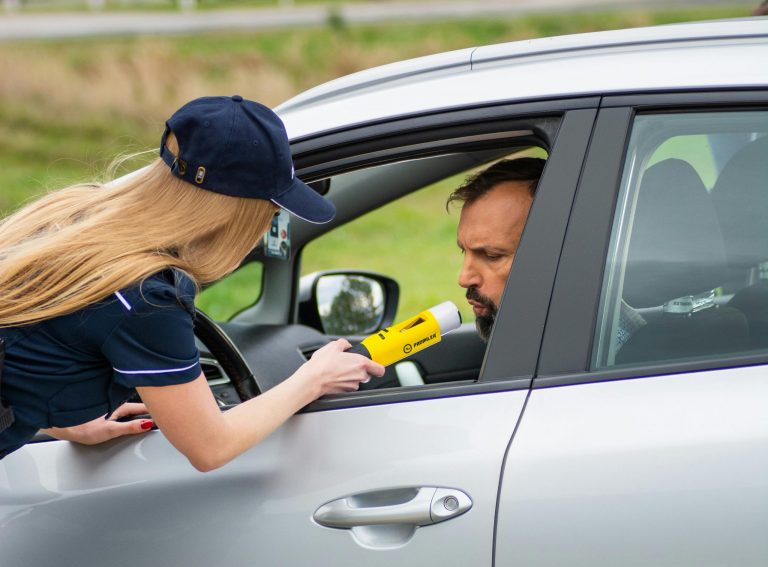
Commercial drivers face stricter DUI laws with a lower BAC limit of 0.04%. This means any alcohol in their system can lead to immediate consequences that might threaten their jobs.
Because the legal process involves both administrative and criminal steps, a smart approach is crucial. Knowing these rules is key for commercial drivers as they juggle job duties with public safety requirements.
Understanding the DUI Laws for Commercial Drivers
Commercial drivers have tougher DUI rules than regular drivers. This is because driving large vehicles means more responsibility and potential risk to public safety. Commercial driver training teaches these DUI laws in detail, making sure drivers understand the consequences of driving under the influence. Following these strict rules is essential to comply with both federal and state laws. Because of this, commercial drivers are closely monitored and need to be fully aware of DUI laws to meet their professional and legal duties.
Blood Alcohol Concentration (BAC) Limits for CDL Holders
CDL holders have a lower BAC limit of 0.04%, unlike non-commercial drivers who have a limit of 0.08%. This means CDL drivers must be extra careful because they operate larger, more dangerous vehicles. If CDL drivers exceed this limit, they face stricter penalties, which helps keep roads safe for everyone. These rules show how important safety is in commercial driving. Remember, sticking to these limits is not just about following the law; it’s about protecting lives, including your own.
Lower BAC Thresholds
Why are BAC limits stricter for commercial drivers? Commercial drivers have stricter BAC limits—usually set at 0.04% compared to 0.08% for regular drivers. This is because driving large commercial vehicles comes with more responsibility and higher risks. Any detectable alcohol level can lead to immediate penalties, as zero tolerance policies are in place. These rules are crucial for public safety because accidents involving large vehicles can have disastrous outcomes. Stricter BAC limits ensure commercial drivers are always in top condition to operate their vehicles safely.
Stricter Penalties Applied
Commercial drivers face stricter penalties for alcohol violations to ensure road safety. Here’s what happens if a Commercial Driver’s License (CDL) holder breaks Blood Alcohol Concentration (BAC) rules:
- License Suspension: If a CDL holder is caught with a BAC violation, their license is suspended immediately. This means they can’t drive a commercial vehicle, affecting their job.
- Higher Fines: The financial penalties for commercial drivers are much steeper than for regular drivers. This aims to prevent future violations.
- Longer Disqualification: Commercial drivers are banned from driving for a longer period, stressing the seriousness of these violations.
These penalties highlight the importance of responsible driving to protect everyone on the road.
Consequences of a DUI on a Commercial Driver’s License
Getting a DUI when you have a Commercial Driver’s License (CDL) leads to serious consequences. Most importantly, your CDL will be suspended, often for at least a year for a first offense. This means you can’t drive commercial vehicles during that time, which can make it hard to keep your job or find a new one in the trucking or transportation industries. Employers usually need drivers with a valid CDL, so a suspension could mean losing your job or missing out on future opportunities. It’s crucial to understand these risks and how they can affect your career.
License Suspension Duration
License Suspension Duration for DUI on a CDL
A DUI conviction can seriously impact a commercial driver’s license (CDL). Here’s what you need to know:
- First Offense: Getting a DUI for the first time usually means your CDL will be suspended for one year.
- Repeat Offenses: If it happens again, you might lose your CDL forever.
- Worse Situations: If your blood alcohol level is really high, the suspension could last even longer.
These rules highlight the importance of following the law to avoid losing your license and, by extension, your job. Understanding the stakes can help you stay on the right track.
Impact on Employment
Getting a DUI can seriously affect a commercial driver’s job. Losing a Commercial Driver’s License (CDL) due to a DUI means you can’t legally drive commercial vehicles, which is a big problem for job security. Many companies have strict rules against DUIs, so getting one might lead to losing your job. This can make it hard to stay financially stable. Plus, after a DUI, getting your license back involves meeting tough requirements, and the record can make finding a new job tough since employers might hesitate to hire someone with a DUI.
The Legal Process for Commercial Drivers Facing DUI Charges
Navigating the legal process for commercial drivers facing DUI charges is different from what non-commercial drivers experience. It’s crucial to follow court rules because commercial drivers face tougher laws. Having a lawyer is important to handle these complex issues and follow both federal and state rules. Here’s what you need to know:
- Administrative Hearings: Commercial drivers might deal with both criminal charges and hearings about losing their license. Having a good lawyer helps navigate these.
- Federal Regulations: Following Federal Motor Carrier Safety Administration (FMCSA) rules is key and affects the case outcome.
- Court Penalties: Courts often give stricter punishments because commercial driving involves more public safety risks.
Understanding these points shows why commercial drivers face intense legal checks.
Employer Notification Requirements and Implications
Commercial drivers must promptly inform their employers if charged with a DUI. This federal rule means drivers need to notify their employer within 30 days. Not doing so can lead to serious consequences, like losing their job. Employers must then take steps like suspending the driver or investigating further to ensure safety standards are met. These rules help keep roads safe by making sure that any risk from impaired drivers is addressed quickly. This way, the reliability of commercial transportation is maintained, protecting everyone on the road.
Potential Penalties and Fines for Commercial DUI Offenses
If you’re a commercial driver, a DUI conviction can lead to serious consequences that impact your career. Here’s what you need to know:
- License Loss: A DUI can result in losing your commercial driving license, either temporarily or permanently, depending on how serious the offense is.
- Fines: Expect to pay hefty fines, especially if you’ve had prior offenses or if your blood alcohol level was particularly high.
- Education Programs: To get your license back, you might need to complete alcohol education or rehab programs.
Getting your commercial license reinstated means following strict rules. You must finish any required programs, pay all fines, and pass necessary tests. It’s crucial to meet these requirements to drive legally again.
Impact on Insurance and Employment Opportunities
Getting a DUI can impact your insurance rates and job opportunities, especially if you’re a commercial driver. Insurance companies consider DUIs as a high risk, which means your premiums will likely go up. This financial strain is even tougher if you lose your commercial driving license, as it can make finding a job difficult. Many employers want drivers with clean records to avoid liabilities, so a DUI can really limit your career options. For commercial drivers, a DUI means navigating tough legal and job challenges, risking both career growth and financial security.
Strategies for Defending Against DUI Charges
Exploring Plea Bargains: Considering a plea deal can often reduce penalties for DUI charges. Whether this is possible depends on how strong the evidence is against you and if you have any past offenses. It’s like negotiating a better outcome based on your situation.
Questioning Evidence: Challenging the arresting officer’s testimony or the reliability of field sobriety tests can weaken the prosecution’s case. Think of it as finding holes in their story to help your defense.
Checking Legal Procedures: Making sure the police followed all rules during your arrest and testing can sometimes reveal mistakes that work in your favor. It’s about ensuring every step was done by the book.
These strategies need careful planning and a good understanding of DUI laws for commercial drivers. Each step can make a big difference in defending against charges.
Long-Term Career Impact and Recovery Options
Understanding the Long-Term Career Impact of a DUI for Commercial Drivers
A DUI charge can mean losing a Commercial Driver’s License (CDL), affecting job opportunities. This setback often requires drivers to focus on rebuilding their careers. Employers may see a DUI as a risk, influencing their hiring choices. Planning finances and job stability is crucial.
Recovery Options After a DUI
To bounce back, drivers can join educational programs to regain credentials. Professional counseling and support groups can help ease the return to work. By following regulations and planning carefully, drivers can reduce negative impacts and work towards a stable career after a DUI.
Frequently Asked Questions
Can a Commercial Driver Get a DUI for Marijuana Use?
Can a Commercial Driver Get a DUI for Using Marijuana?
Yes, a commercial driver can face DUI charges for using marijuana, even if it’s used off-duty. If a driver is tested for drugs after an accident and marijuana is found in their system, they could be charged. The transportation industry has strict rules to ensure safety, meaning that any detectable amount can lead to consequences, regardless of actual impairment. This is because the law prioritizes safety on the roads, and even off-duty use can impact a driver’s career.
Are DUI Laws the Same for All Types of Commercial Vehicles?
DUI laws for commercial vehicles aren’t the same for every type. This means that the consequences, like how long your license might be suspended, can change depending on what kind of commercial vehicle you’re driving. It’s important to know the specific rules that apply to your vehicle type so you can follow them properly. Different commercial vehicles have different requirements and regulations, so make sure you understand what’s needed for your particular situation. By doing this, you can ensure you’re always on the right side of the law while driving commercially.
How Does a DUI Affect a Commercial Driver’s Retirement Benefits?
A DUI can impact a commercial driver’s retirement benefits, mainly because it might lead to job loss or disciplinary actions. These consequences can affect your enrollment in a pension plan or your ability to make retirement contributions. If a DUI results in losing your job, it may interrupt your service continuity, which is crucial for maintaining and building your retirement benefits.
Think of it this way: your retirement benefits depend on steady employment and regular contributions. A DUI could disrupt this stability, potentially reducing the benefits you accumulate over time. It’s essential to understand these risks to protect your financial future.
Can a Commercial Driver Obtain a Hardship License After a DUI?
Can a commercial driver get a hardship license after a DUI? Generally, it’s challenging for commercial drivers to secure a hardship license following a DUI. Regulations usually restrict these licenses, significantly affecting their ability to drive professionally.
Consider looking into alternative job opportunities and financial assistance programs. These options can help support you during this time when driving professionally might not be possible. Remember, exploring these avenues can provide much-needed stability while navigating the aftermath of a DUI.
Are There Any Special DUI Programs for Commercial Drivers in Rehabilitation?
Yes, there are special DUI programs for commercial drivers focused on rehabilitation. These programs often include court-mandated treatment and alcohol education classes. They’re designed to help commercial drivers tackle substance abuse and ensure they meet legal and regulatory standards.
These DUI programs for commercial drivers mean that individuals get support to address alcohol issues while maintaining their professional qualifications. The goal is to help drivers continue their careers safely and responsibly. These programs are essential because they help drivers comply with the rules, which results in safer roads for everyone.