Facing a DUI charge? Here’s how to defend yourself effectively.
First, question the legality of the initial traffic stop. If the stop wasn’t justified, the case might be thrown out.
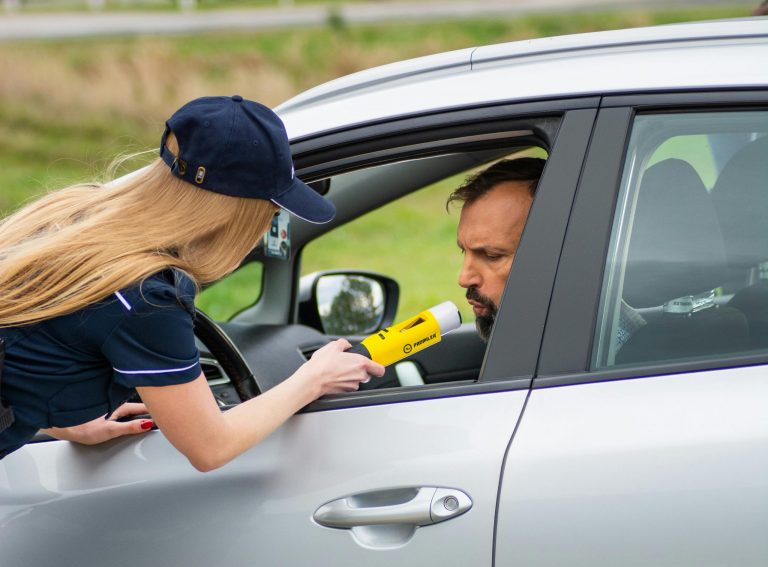
Next, challenge the accuracy of field sobriety and breathalyzer tests; they aren’t always reliable. Investigate any errors in blood test procedures—mistakes can happen. Also, consider if medical conditions could have skewed test results.
Finally, examine the officer’s conduct for any procedural mistakes. These strategies can significantly weaken the prosecution’s case and improve your chances in court.
Challenging the Legality of the Traffic Stop
Challenging the legality of a traffic stop is a common defense in DUI cases. The key question is whether the officer had a valid reason to stop you. If the stop was too long without a good reason, it might break your Fourth Amendment rights, and any evidence found could be thrown out. Officer bias is another important factor. If an officer’s personal biases or stereotypes led to the stop, this could make it illegal. Understanding these points can help you build a strong defense and protect your constitutional rights.
Questioning the Administration of Field Sobriety Tests
Field sobriety tests can be unreliable for evaluating impairment. Let’s explore why:
- Officer Training: If the officer isn’t properly trained, the test results might not be trustworthy.
- Test Conditions: Were the tests done in a calm setting? Bad weather or distractions can affect results.
- Physical Limitations: Health issues can impact a person’s ability to perform the tests.
- Subjectivity: Results often depend on the officer’s judgment, which can vary.
Understanding these factors can help challenge the test results in court, possibly leading to a more favorable outcome for the defendant.
Scrutinizing the Accuracy of Breathalyzer Results
Breathalyzer tests can sometimes be inaccurate, which is important to understand if you’re involved in a DUI case. These tests need to be properly calibrated to give correct blood alcohol content readings. If not, it can mean incorrect results. Checking calibration records is essential because errors here can affect the device’s reliability.
It’s also crucial to look at maintenance records. Regular upkeep ensures the device works right, but if maintenance slips, it can lead to mistakes. Any gaps in these records might mean the results are unreliable.
If you’re facing DUI charges, you can question the Breathalyzer results by focusing on calibration and maintenance issues. This approach might change the outcome of your case. Always examine these records carefully to spot any procedural mistakes that could challenge the evidence against you.
Investigating Blood Test Procedures and Results
When facing DUI charges, checking blood test procedures is crucial for your defense. Here’s what to look for:
- Sample Collection: Make sure the blood was collected correctly, following all the right steps. Mistakes here can affect results.
- Sample Integrity: Ensure the sample wasn’t contaminated and was stored properly. This helps maintain accurate results.
- Chain of Custody: Confirm the sample was handled and documented properly from start to finish. This ensures it wasn’t tampered with.
- Lab Credentials: Verify the lab is accredited and the testers are qualified. This ensures reliable testing.
Exploring Medical and Health Conditions Affecting Test Outcomes
Medical conditions can impact DUI test results. For example, sleep apnea can cause symptoms like poor coordination or drowsiness, which might look like intoxication during a sobriety test. Diabetes and GERD can affect breathalyzer accuracy because they alter metabolism or produce substances that confuse the device. Knowing about these health issues is crucial for building a defense, as they can explain results that seem incriminating. A medical evaluation can be key to challenging DUI charges.
Understanding these factors can help you navigate DUI charges more effectively. Always consider consulting a legal expert if you’re facing such a situation.
Examining the Officer’s Conduct and Observations
To evaluate an officer’s conduct during a DUI stop, it’s important to look at how field sobriety tests are given. If these tests are not done correctly, their results might not be reliable. Another point to consider is the officer’s credibility. If there are inconsistencies in their reports or observations, this could weaken their testimony. Lastly, checking whether the arrest followed legal protocols might uncover mistakes that could work in your favor. By focusing on these areas, you can find potential issues that might help your case.
Field Sobriety Tests: These tests must be conducted properly to be valid. If done incorrectly, their results might not hold up in court.
Officer Credibility: Look for inconsistencies in the officer’s reports. These can cast doubt on their reliability.
Arrest Protocols: Ensure that all legal procedures were followed during the arrest. Mistakes here can affect the prosecution’s case.
Questioning Field Sobriety Tests
Field sobriety tests can sometimes be unreliable in determining if a driver is impaired. Various factors can affect the accuracy of these tests, leading to questions about their effectiveness.
- Standard Procedures: It’s important that officers follow the same steps each time they conduct a test. If they don’t, the results might not be trustworthy.
- Officer Training: The officer giving the test needs to know how to do it correctly. Proper training is crucial to avoid errors.
- Environment: Testing conditions matter. Things like bad weather or uneven ground can influence the results.
- Driver’s Health: A person’s health issues, like balance problems, can make it hard to perform these tests correctly.
These factors can lead to doubts about whether field sobriety tests truly show if someone is impaired. Understanding these elements can help in building a DUI defense.
Challenging Officer’s Credibility
Questioning an officer’s credibility is crucial in a DUI defense. The focus should be on the officer’s actions and observations during the arrest. First, check if the officer followed proper procedures and if their training is up-to-date. Inadequate training might result in mistakes that could weaken the case. Next, consider if the officer showed any bias. Bias could lead to exaggerated claims or unfair treatment of the defendant. By examining these aspects, the defense can challenge the reliability of the evidence, potentially leading to a better outcome.
Keywords: DUI defense, officer’s credibility, training, procedures, bias, evidence reliability.
Evaluating Arrest Procedures
Review the Arrest Timeline: Check if every step of the DUI arrest follows legal rules. Timing mistakes can lead to errors that might help dismiss charges.
Officer Training Matters: Ensure the officer had recent and specific training for DUI cases. Proper training is crucial for a fair process.
Field Sobriety Tests: Make sure tests were done right. They need to follow standard procedures to be valid.
Look at the Arrest Paperwork: Go through the reports to spot any mistakes or missing details in what the officer noted.
Finding these issues can weaken the prosecution’s case, giving the defense an edge in fighting DUI charges.
Reviewing Video and Audio Evidence
Reviewing video and audio evidence is crucial to ensure proper procedures were followed during an arrest. By closely examining the footage, you can spot any mistakes or missteps by officers that might affect the defense strategy. Listening to audio recordings is also important. Look for any inconsistencies that might undermine the prosecution’s story. These discrepancies can be key in questioning the reliability of the evidence presented. Always focus on what the evidence clearly shows and how it aligns with the legal standards expected in these situations. This approach helps build a solid case and instills trust in the process.
Analyzing Arrest Footage
Examining arrest footage is crucial when dealing with a DUI charge. This can significantly affect the case outcome.
Look at Camera Angles: Check if the video covers all necessary interactions. Missing important parts can be a problem.
Assess Video Quality: Ensure the video is clear enough to see important details. Blurry footage can hide key evidence.
Ensure Audio Clarity: Make sure conversations between the officer and the accused are understandable. Muffled audio can lead to misunderstandings.
Check Timeline Consistency: Confirm the video matches the reported events. Inconsistencies can weaken the case.
These steps help build a strong defense strategy.
Examining Officer Conduct
An officer’s behavior during a DUI stop can affect the fairness of the legal process. By reviewing video and audio evidence, we can see if the officer was fair or biased. If the officer acted unprofessionally, it might harm the defendant’s rights.
Checking the officer’s training is important too. Poor training can lead to mistakes in sobriety tests or misunderstandings of a suspect’s actions. Errors in procedure can help the defense question the arrest’s validity. By examining how the officer behaved, lawyers can build strong arguments to challenge the case against the defendant.
Identifying Audio Discrepancies
Audio recordings can be crucial in DUI cases, but discrepancies in quality might affect their reliability. Here are some key factors that legal experts look for:
- Background Noise: This can interfere with important conversations, making them hard to hear.
- Volume Levels: Uneven levels may mean the recording equipment was faulty or the audio was altered.
- Timestamp Irregularities: Such issues can point to possible editing.
- Inaudible Sections: Missing parts may lead to questions about the evidence’s completeness.
These elements can help defense attorneys argue for reduced charges or dismissals by challenging the audio’s authenticity.
Identifying Violations of Constitutional Rights
In DUI defense, spotting violations of constitutional rights is key to building a strong case. Defense lawyers look closely at how an arrest was made. If the police stopped someone without a good reason, it might break the Fourth Amendment, which protects against unreasonable searches and seizures. This can weaken the prosecution’s case. Also, if the police searched without a warrant or consent, crucial evidence could be thrown out. By focusing on these rights, defendants can challenge the evidence against them. This approach helps protect the accused and can lead to better case outcomes.
Presenting Alternative Explanations for Driving Behavior
When arguing against claims of impaired driving, offering alternative explanations for driving behavior can be effective. Here’s how:
- Driver Fatigue: Long hours at work or poor sleep can cause tired driving. This can lead to mistakes on the road.
- Medication Effects: Some prescription meds, even when taken correctly, can cause symptoms similar to alcohol intoxication.
- Weather Conditions: Bad weather, like rain or fog, can make driving difficult and lead to mistakes.
- Car Mechanical Issues: Problems with a car, like brake failure, can cause unexpected driving behavior.
These explanations provide a logical reason for the driving behavior that doesn’t involve impairment.
Frequently Asked Questions
What Are the Potential Penalties for a DUI Conviction?
What are the penalties for a DUI conviction? DUI penalties can be serious and include jail time, hefty fines, license suspension, and mandatory alcohol education programs. These penalties vary depending on where you live, but they all aim to deter impaired driving.
A DUI conviction means that you might face time in jail, which can disrupt your life significantly. You’ll likely have to pay large fines, which can strain your finances. Losing your driver’s license can make everyday tasks challenging, and you may need to attend alcohol education programs to understand the dangers of impaired driving. Each of these penalties is designed to highlight the risks and consequences of driving under the influence.
Can a First-Time DUI Charge Be Dismissed?
A first-time DUI charge can sometimes be dropped. This might happen through plea deals or by challenging the accuracy of field sobriety tests. Lawyers often look for mistakes in the process or question how tests were conducted. This can weaken the case against you and lead to better results.
If you face a first-time DUI, know that legal options exist. Attorneys can identify errors in how tests were done or argue that procedures weren’t followed correctly. These actions can lead to dismissing the charge or reducing its impact.
How Long Does a DUI Conviction Stay on My Record?
A DUI conviction can stay on your record permanently, which might affect your ability to get your driver’s license back. However, in some cases, you might be able to have the conviction erased, or “expunged,” from public records. This possibility depends on where you live and the specifics of your situation. Removing a DUI from your record can open up better personal and job opportunities. It’s a good idea to check the rules in your area to see if expungement is an option for you.
Are DUI Charges the Same in Every State?
DUI charges differ from state to state. Each state has its own rules that affect the penalties, legal procedures, and possible defenses for DUI cases. Knowing these differences helps you navigate DUI situations more effectively in any state.
State laws mean that a DUI in one place might have different consequences elsewhere. For example, some states have stricter penalties or more lenient DUI laws. Understanding these differences is crucial when dealing with DUI charges.
If you’re facing a DUI, it’s important to know the specific laws in your state. This knowledge can help you understand what to expect and how to handle the situation best.
Can DUI Charges Be Reduced to a Lesser Offense?
Can DUI charges be reduced to a lesser offense? Yes, they can. Through plea bargaining, lawyers can sometimes negotiate to lower DUI charges. They look for factors like a clean record or mistakes made during the arrest to help their case.
Legal representatives often check for any procedural errors or the absence of previous offenses to find a more favorable outcome for their clients. This process can lead to reduced penalties, helping avoid the full impact of a DUI conviction. Remember, the success of this strategy depends on the details of each case.