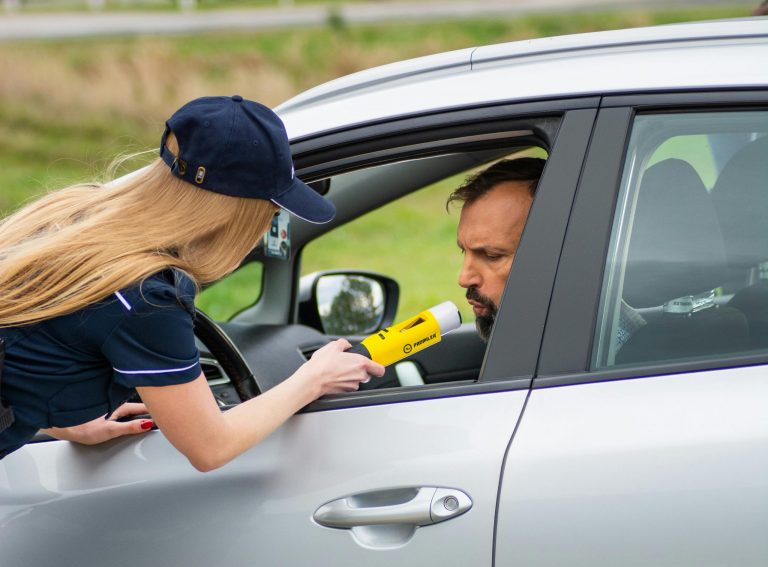
If you refuse a breathalyzer in Arizona, it results in serious consequences due to the state’s Implied Consent Law. This law means that by driving, you agree to take chemical tests if suspected of DUI. Refusing the test leads to an immediate one-year suspension of your driver’s license.
Additionally, your refusal can be used against you in court, possibly leading to harsher penalties. Understanding these rules and their effects can help you navigate Arizona’s legal system more effectively.
Understanding Arizona’s Implied Consent Law
Arizona’s Implied Consent Law means that if you’re stopped for a DUI, you must take a breath, blood, or urine test. Just by driving in Arizona, you agree to this testing. This law ensures public safety while respecting your rights. The police need probable cause to arrest you for DUI before they can require these tests. This protects both you and the state, ensuring fair treatment. Remember, driving in Arizona means agreeing to these rules, which aim to keep everyone safe on the roads.
Immediate Consequences of Refusal
Refusing a breathalyzer test in Arizona has immediate consequences. It can delay evidence collection for law enforcement, affecting the case outcome. However, refusal is noted and can be used in court to show non-compliance, which might help the prosecution. Insurance companies may see refusal as risky behavior, leading to higher premiums. So, while saying no to the test might seem like a good idea at first, it can lead to significant legal and financial issues. It’s important to know that refusing a breathalyzer test can have lasting effects.
Administrative License Suspension
If you refuse a breathalyzer test in Arizona, your driver’s license will be automatically suspended for one year. This happens under the state’s implied consent laws, whether or not you’re charged with a crime later. To get your license back, you’ll need to complete an alcohol education program and show proof of insurance with an SR-22 certificate. This certificate is proof that you have the required insurance coverage in Arizona. If you don’t follow these steps, your license suspension will last longer, affecting your ability to drive legally.
Legal Penalties and Fines
Refusing a breathalyzer test in Arizona can lead to serious consequences. It’s not just an administrative issue; it can result in legal penalties and fines. In Arizona, saying no to a breathalyzer is a civil traffic violation. This can mean extra fines on top of any DUI charges you might face. Also, refusing the test affects your driver’s license. You might have to install an ignition interlock device, which means more restrictions on your license. If you’ve refused before, penalties get tougher with bigger fines and longer license restrictions. Understanding these outcomes is crucial, as breathalyzer refusal in Arizona is taken very seriously.
Impact on Criminal Proceedings
Refusing a breathalyzer test in Arizona means an automatic suspension of your driver’s license. This is because of implied consent laws, which say that by driving, you’ve agreed to take such tests if asked. Losing your license can make it harder to negotiate plea deals or dispute evidence in court.
A good lawyer might focus on any mistakes made during your arrest or argue that your rights were violated, to help improve your case. It’s important to know your rights and get legal advice if you face this situation.
License Suspension Consequences
Refusing a breathalyzer test in Arizona results in a driver’s license suspension for one year. This automatic suspension can impact your legal situation because it acts as proof of non-compliance with Arizona’s implied consent laws. To get your license back, you’ll need to complete alcohol education programs and pay fees. Getting your license reinstated is important if you want to reduce the impact on your criminal record. This suspension might also affect plea deals and sentencing. Understanding these consequences is crucial if you’re facing DUI charges in Arizona.
Legal Defense Strategies
Facing DUI charges in Arizona can be daunting, but a good legal defense can make a big difference. Attorneys often try to negotiate plea deals to reduce penalties. This might mean getting charges lowered or sentences reduced. Important factors include not having prior offenses, showing good behavior after the arrest, or joining rehab programs. These can positively influence the court’s decision. Lawyers also look for mistakes made during the arrest or breathalyzer test, which can weaken the case against you. A thorough review of all details ensures the best defense and outcome for your situation.
Challenging a Refusal in Court
If you’re facing a refusal to take a breathalyzer test in Arizona, it’s important to know that you have options. Here’s how you might challenge it in court:
- Suppressing Evidence: You can argue that the evidence was obtained illegally, which could mean it can’t be used against you in court.
- Rights Violations: If your constitutional rights, like protection against unreasonable searches, were violated, this can impact your case.
- Police Mistakes: If the officers didn’t follow proper procedures, it could help your defense.
Each approach requires a careful look at what happened during your arrest. Having a skilled lawyer can make a big difference in these situations.
Comparisons to Other States
Arizona and California both have rules for when someone refuses a breathalyzer test. In Arizona, refusing the test leads to losing your driver’s license for a while. In California, if it’s your first time refusing, you lose your license for even longer. Over in Texas, saying no to a breathalyzer not only means losing your license immediately but can also make you look guilty in court. These differences show how each state has its own way of handling the idea that if you drive, you’ve agreed to take these tests.
Arizona vs. California Penalties
Arizona vs. California Breathalyzer Penalties
Refusing a breathalyzer test in Arizona means serious consequences, including immediate vehicle impoundment, which can leave you without a car and facing logistical headaches. In California, refusing the test doesn’t always mean your car will be impounded. However, both states require you to meet financial responsibility rules, impacting your insurance costs and legal situation.
Financial Impact: Expect higher insurance rates, adding financial stress.
License Suspension: You could lose your driving rights for a long time.
Legal Challenges: Prepare for more court visits and legal fees.
These penalties show how seriously both states treat breathalyzer refusals, though they enforce them differently.
Refusal Consequences in Texas
How does Texas handle breathalyzer test refusals compared to other states?
In Texas, refusing a breathalyzer test can lead to strict consequences. If you refuse, your driver’s license can be revoked for up to 180 days on a first offense, and the penalty increases with subsequent refusals. This is part of Texas’s implied consent laws, similar to those in Florida. In contrast, some states like California might impose shorter suspensions.
Additionally, Texas requires participation in the Driver Responsibility Program, which includes surcharges for getting your license back. These measures aim to discourage refusals and enhance public safety, reflecting a strong national trend toward enforcing these laws.
Seeking Legal Representation
If you refuse a breathalyzer test in Arizona, getting legal help is a smart move. A lawyer can protect your rights and help you understand the legal process. Here’s why hiring a DUI attorney in Arizona is beneficial:
- Reduce Penalties: A skilled attorney can work to lower fines or find alternative punishments, which can have a big impact on your future.
- Clear Guidance: Lawyers know the ins and outs of DUI laws and can explain how they affect your case, ensuring you have a strong defense.
- Support and Reassurance: The legal journey can be stressful, but having a professional by your side can ease your worries.
These reasons highlight why having a lawyer is crucial when dealing with DUI charges in Arizona.
Preventive Measures and Safe Driving Practices
To avoid DUI charges, use preventive measures and safe driving practices that follow Arizona’s traffic laws. Choosing alternative transportation like rideshare or public transit greatly lowers DUI risks. Planning ahead is key: arrange a designated driver if you plan to drink. Public safety campaigns and community initiatives often promote these practices, highlighting their importance in preventing impaired driving. By following these tips, you help ensure public safety and reduce the chances of accidents or legal issues.
Frequently Asked Questions
Can a Refusal Affect My Car Insurance Rates?
Refusing to follow necessary procedures can increase your car insurance rates or even lead to policy cancellation. Insurance companies see this as risky behavior, which means they might change your coverage or financial responsibilities.
For example, if you refuse to take a required driving course, this could result in higher premiums. Insurers prefer drivers who follow guidelines because it usually means fewer accidents. So, sticking to the rules not only keeps you safe but also helps maintain your insurance costs.
In short, following mandatory steps is crucial for keeping your car insurance affordable and your coverage secure.
Are There Any Exceptions to the Refusal Penalties?
Are There Exceptions to Refusal Penalties in Arizona?
Yes, in Arizona, there are some exceptions to the penalties for refusing a breathalyzer test. People with certain medical conditions might be exempt from these penalties. To understand if this applies to you, it’s best to look at legal precedents and specific Arizona laws. Consulting these resources will help you know if your situation qualifies for an exemption.
How Long Does the Refusal Stay on My Driving Record?
A refusal stays on your driving record for 12 months. This can result in a license suspension and the need for an ignition interlock device, as explained in Arizona’s driving laws.
If you refuse a chemical test, like a breathalyzer, it means your driving record will show this for a year. This can lead to your driver’s license being suspended, and you might have to install an ignition interlock device in your vehicle. These rules are outlined in Arizona Revised Statutes Section 28-1321.
Understanding the implications of a refusal and how it affects your driving privileges can help you make informed decisions on the road.
Can I Request a Different Type of Sobriety Test?
Can I Ask for a Different Sobriety Test in Arizona?
Yes, you can ask for a different type of sobriety test in Arizona. However, it’s usually up to the police to decide whether to allow it. They consider factors like the situation and legal requirements before agreeing to your request.
If you feel uncomfortable with a specific test, explain your reasons to the officer. They might offer an alternative if it fits within legal guidelines. Remember, the final decision lies with law enforcement, and they must ensure all tests meet standards and regulations.
Does Refusal Impact My Ability to Travel Internationally?
Refusing a breathalyzer test doesn’t automatically affect your ability to travel internationally. However, legal consequences from refusing might impact your travel plans. This depends on each country’s entry requirements and the specifics of your situation.
For example, some countries might deny entry if you have a criminal record related to driving offenses. It’s essential to check the entry rules for your destination and understand how any legal issues might affect your travel. Always consult official resources or legal professionals for the most accurate and tailored advice.